MUNICIPAL DYSFUNCTION: Joburg’s council housing system crumbles into chaos
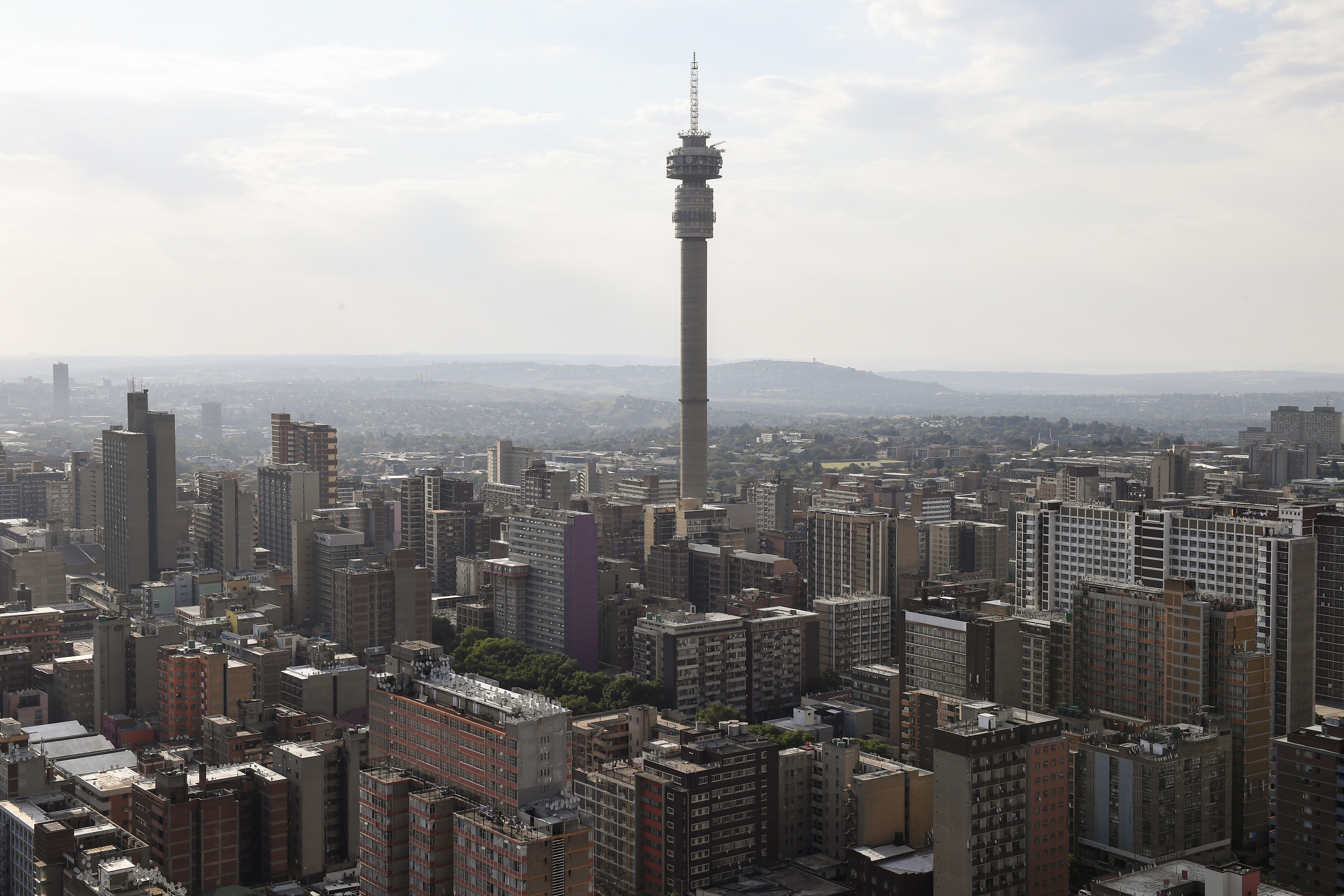
In a striking sign of municipal decay, 15 of the City of Johannesburg’s residential properties – part of its official public housing footprint – have been lost to illegal occupiers and hijacked by criminal syndicates, while payment across the remaining legal stock has collapsed.
The municipality is now losing more in arrears than it earns in revenue. Out of a portfolio of more than 21,000 units, at least 11,000 have vanished into a financial dead zone, leaving thousands of desperate residents stuck on endless municipal housing wait-lists while taxpayers foot the bill for a system in which crime pays and the City acts as a slumlord for its own assets.
The City has now admitted that its housing stock is financially unsustainable, with thousands of units lying idle.
This standoff fuels a vicious cycle: the municipality neglects maintenance because residents don’t pay, and residents withhold payment because the buildings are decaying. The result is a total collapse of living conditions, characterised by pooled sewage in courtyards, months of uncollected garbage and decaying utility systems.
/file/attachments/orphans/IMG_20260716_112708_200672.jpg "At Shamrock Court in South Hills, water leakages go unattended for weeks on end - a daily reality for residents living in Johannesburg’s crumbling council housing. The ignored leaks are a microcosm of a broader municipal collapse: a housing system burdened by a R1.5-billion maintenance backlog, where official neglect leaves both infrastructure and residents stranded in squalor. (Photo by Anna Cox)")
Occupants, most of whom live in appalling conditions, admit they haven’t paid rent for years. None would reveal their names, citing danger from gang members who have hijacked and occupy some of the flats.
They say conditions include a complete lack of maintenance, no regular refuse removal and zero security. On the other side, the council insists it will not carry out repairs because of non-payment, locking both sides in a battle while the housing stock rots.
A resident of a council building in South Hills, who requested anonymity, said the building had not been maintained for years.
“We admit we don’t pay rent, but we help the city by doing our own repairs, including fixing lights inside and outside the building, fixing our own geysers and stoves and painting.
“We do get free water and electricity, but the refuse removal is scarce, so we live with rats and cockroaches. There is no security and lights outside often don’t work, so we live in constant danger.”
Another South Hills resident said gangs had taken over some blocks in her council housing complex.
“People are getting killed here by gang members who want to take over the already-occupied flats. It is very dangerous, and there is no security to stop it. I know I haven’t paid rent for years, but I pay for my own maintenance,” she said.
Ghost portfolio
The City’s Department of Human Settlements directly manages 21,909 potential units/beds, but only 10,584 are billable.
City spokesperson Nthatisi Modingoane confirmed this: “The billable stock as per the 2025/26 Business Plan is defined as 10,584 units.”
The breakdown of Joburg’s council housing
Flats, duplexes, and row houses – 16,392 units (across 385 facilities).
Senior citizen rental units – 2,318 units (across 38 facilities).
Public and staff hostels: 3,199 beds/units (10 public hostels and eight staff hostels).
Temporary emergency accommodation: seven identified buildings.
While the City does not publish a unit-by-unit breakdown, Modingoane acknowledged: “The City reports that economic rentals face considerable challenges, including criminality and non-payment, which impacts the effective occupancy and billable status of the stock.”
He noted refurbishment targets for 2025/26: “Five public hostels, 10 blocks of flats, and four senior citizen facilities for significant refurbishment and upgrading.”
In 2024/25, billed rental income was R117.45-million, but arrears stood at R126.70-million.
Modingoane conceded: “The City records debt impairment as a proxy for uncollected revenue and arrears. For the 2024/25 period, the debt impairment for the Human Settlements portfolio was approximately R126.70-million. This indicates that the cumulative arrears and non-payment levels exceed the annual billed revenue.”
Hijacked by neglect
The City has identified 40 hijacked buildings within the inner city, including the 15 City-owned properties that are part of the council’s broader property holdings.
Modingoane explained: “The 15 City-owned hijacked buildings are currently being processed through the ‘bad buildings strategy’. While they are City-owned, the City has programmed a pipeline for these properties to be released to Joshco [the Johannesburg Social Housing Company] for conversion into social housing and affordable rental stock once reclaimed and rehabilitated.”
On the financial impact, he admitted: “The City does not provide a single consolidated rand-value for lost rental income specifically from hijacked buildings in the primary budget books. However, it describes the loss as immense housing and economic potential trapped in underutilised assets.”
/file/attachments/2996/IMG_20260716_112811_289267_300221.jpg "At Shamrock Court in South Hills, water leakages go unattended for weeks on end - a daily reality for residents living in Johannesburg’s crumbling council housing. The ignored leaks are a microcosm of a broader municipal collapse: a housing system burdened by a R1.5-billion maintenance backlog, where official neglect leaves both infrastructure and residents stranded in squalor. (Photo by Anna Cox)")
Maintenance black hole
The maintenance backlog is R1.5-billion, with only R70-million allocated annually.
Modingoane said: “The total maintenance and restoration backlog is estimated at R1.5-billion. To maintain the current portfolio in a habitable state and prevent further decay, the City estimates that R300-million is required annually for repairs and maintenance.
“The rental housing portfolio is unsustainable in its current form. High operational costs, coupled with affordability constraints among existing tenants and low collection rates, mean that the rental income does not cover the necessary maintenance and operating expenses. The City currently relies on patchwork repairs due to limited budget allocations (averaging R20-million for upgrades and R50-million for operations).”
Future plans vs present collapse
He added: “Through Joshco, the City plans to increase its rental stock by no less than 5,000 units over the next five years. This will be achieved through turnkey projects and the conversion of reclaimed inner-city buildings.”
He listed the biggest challenges: “Financial sustainability, social and security issues such as drug abuse and criminality, infrastructure strain from load shedding, and years of underfunding leading to the R1.5-billion rehabilitation backlog.”
Johannesburg’s council housing system is bleeding money, losing stock and failing its most vulnerable residents. The City concedes: “The rental housing portfolio is unsustainable in its current form.”
Ward 57 (South Hills and surroundings) councillor Faeeza Chame, whose ward contains numerous council housing blocks, says the City has lost control of its housing units.
“In some of the better blocks, residents have taken over the maintenance and are managing to keep them reasonably clean outside. But there are hundreds of units standing empty, unfit for occupation.
“The waiting list is huge – if the City maintained and repaired some of the blocks and took control, we would be able to provide housing for hundreds of people who have been waiting for years,” she said. DM
The numbers
21,909 potential units/beds under Human Settlements.
Only 10,584 billable units – leaving 11,325 ghost units offline.
R117.45-million billed rental income (2024/25).
R126.70-million arrears – arrears exceed income.
40 hijacked inner-city buildings identified, 15 City-owned.
R1.5-billion maintenance backlog.
Just R70-million allocated annually (R20-million upgrades + R50-million operations).
5,000 new units promised via Joshco over five years.
19 facilities targeted for refurbishment in 2025/26 (five hostels, 10 flats, four senior citizen blocks). DM
KioskNews shows a cleaned-up reading view extracted from the publisher’s page — the original always lives on their site, not ours.