Europe still has no clear goal on China
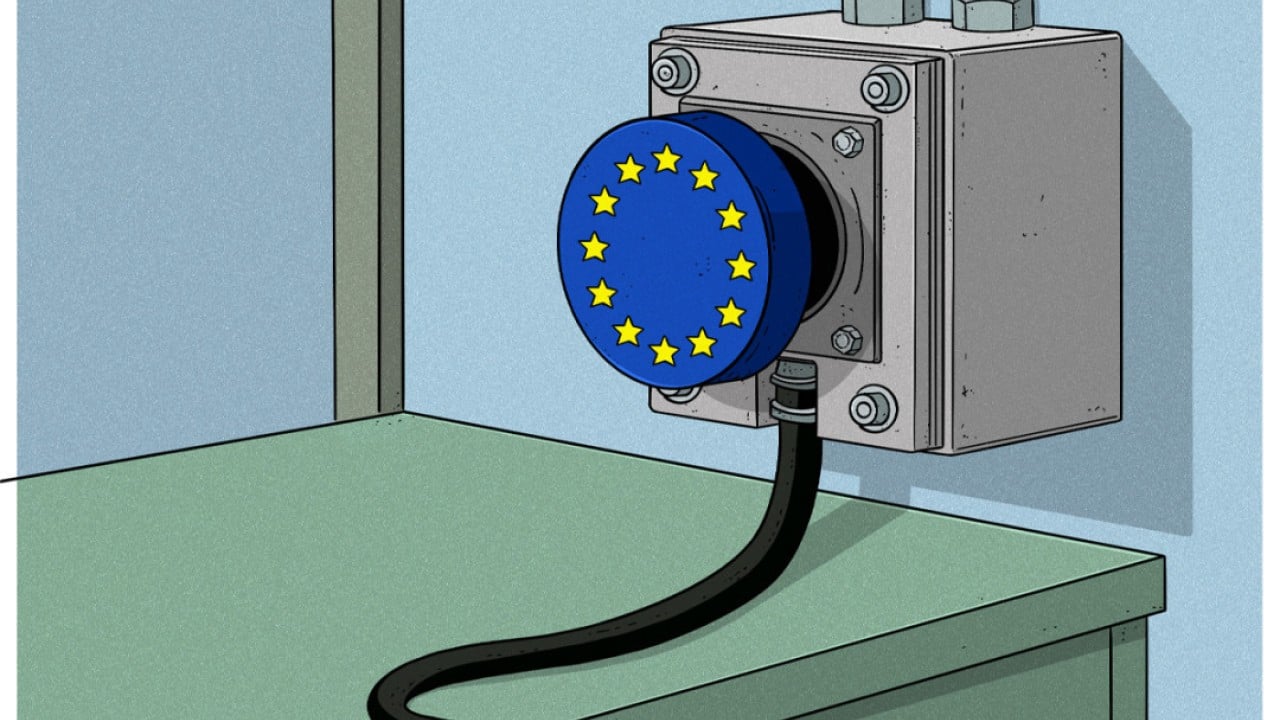
This month alone, Europe has threatened China with a trade “kill switch”, rebuked it in parliament, sent its trade commissioner on a much-trumpeted trip to Beijing and announced three new economic security instruments.
The sequence exposed a European Union that has no clear goal on China, no hierarchy of priorities and has reached no agreement on what it wants from Beijing or on what it would pay to get it.
China has built its European policy around this vacuum. Its method rewards patience: apply pressure, wait for Brussels to react, then offer tiny concessions on Beijing’s terms. European leaders present new instruments as proof of control, while Beijing files each one as information on Europe’s pain threshold. China knows Europe’s price better than Brussels does.
Berlin and Paris opened the sequence. On October 5, German Chancellor Friedrich Merz and French President Emmanuel Macron called for a “kill switch” able to cut a country’s access to the single market.
This is an admission of failure. Since 2019, when the EU adopted investment screening regulation and labelled China a “systemic rival”, trade tools have multiplied while the trade deficit with China grew to €360 billion (US$404 billion) last year – 2026 is set to be worse. Despite preaching “de-risking” since 2023, EU dependence on Chinese critical assets remains. Each new proposal confirms the predecessor’s failure.
The European Parliament followed on October 7 with a recommendation that in effect admits it has had no consistent, unified China strategy since 2019, lists grievances and prescribes Washington as the cure, celebrating the transatlantic bond even as the US taxes European exports and pressures Europe to buy American weapons.
02:05
Emboldened EU readies China company ‘kill switch’ as Beijing warns Brussels not to ‘fantasise’
The European Parliament condemns China’s support for Russia’s war in Ukraine. Meanwhile, Washington is doing business with Moscow: two days after the parliament spoke, US President Donald Trump announced a diesel deal with Russia; on October 16, the US paused a sanctions package on Russia.
The European Parliament lives in a time that has ceased to exist: it scolds Beijing for helping Moscow and praises the ally that openly helps Russia.
The commission carried its grievances to Beijing on October 8-9, armed with the June-issued ultimatum for “tangible results” and president Ursula von der Leyen’s July threat that Europe had “all the instruments on the table”. The trade commissioner returned with three “shared understandings”: China would moderate hybrid-car exports, cut tariffs on olive oil, car parts and footwear, and ease rare earth licences.
Each of the three relieves pressure that Beijing created or Brussels invited. The hybrid-car surge is the commission’s own work: its 2024 tariffs on Chinese electric vehicles left hybrids at a flat 10 per cent duty. Imports of Chinese hybrid cars rose from 3,800 to 50,000 in under two years.
In 25 years, China has moved from textiles to electric cars and Europe from cars to footwear – have the two economies traded places?
01:52
European carmakers take on Chinese EVs at the Paris Auto Show
Chinese manufacturers build cars Europeans want at prices European plants cannot match, whatever mix of subsidies, scale and engineering produced that advantage. German carmakers did the same in China for decades; nobody in Stuttgart called it a flood.
The commission boasts that the deal will keep millions of Chinese cars from European roads. That means millions of cheaper cars denied to European households to protect Volkswagen’s and Stellantis’ margins. Brussels privileges a powerful lobby, sends the bill to consumers and asks them to applaud.
Europe’s foreign policy establishment hailed the settlement as a geopolitical breakthrough, while the questions that matter remained off the table. Neither side has published the agreement, implementation mechanism, export volumes or a timetable.
Finally, the conclusions of the October 15-16 European Council meeting invoked “macroeconomic imbalances”. Von der Leyen promised the “kill switch” would cut access to the EU “fast and immediately”, alongside a diversification instrument and a solidarity mechanism to offset Chinese retaliation.
China’s commerce ministry warned Europe not to “fantasise about gaining benefits through pressure”. Deterrence works if the other side believes the threat will be executed. The new instruments give Beijing no grounds for that belief; they name no target and cannot enact before 2027, when their sponsors may be packing their boxes.
Macron leaves office in May and Merz faces speculation about his survival; the far-right could take the lead.
Those leaders have found in China a convenient alibi: an adversary far enough away that absorbs the blame for domestic failures and justifies the postponement of reforms.
10:31
The Europe-China trade relationship: deficits, disputes and de-risking
The primary questions are Europe’s to answer: what price it will pay for its demands and what its position between Washington and Beijing is.
The first requires a retaliation doctrine the commission has never produced. It must identify the industries that would bear China’s response, the components with no alternative suppliers and the states that could split the 27 members. Without that calculation, the instruments amount to a bluff.
The second question decides the rest, and time works against Europe. It retains the weight to matter to both superpowers and the exposure to need a balance between them, yet demographic change and a lack of political unity erode that weight every year.
Additionally, Europe gives its leverage away for nothing. In June, it joined Pax Silica, the US-led chip and artificial intelligence pact against China, surrendering its core asset: autonomy.
Beijing’s patience pays: it can wait for Europe’s leaders to change, for the next EU instrument to fail or new EU divisions. A Europe that gives Beijing its price list and Washington its autonomy will only get concessions sized to keep the kill switch unused and the next overreaction coming.
KioskNews shows a cleaned-up reading view extracted from the publisher’s page — the original always lives on their site, not ours.