Malaysia’s Negeri Sembilan palace denies asking chief minister to stay in office
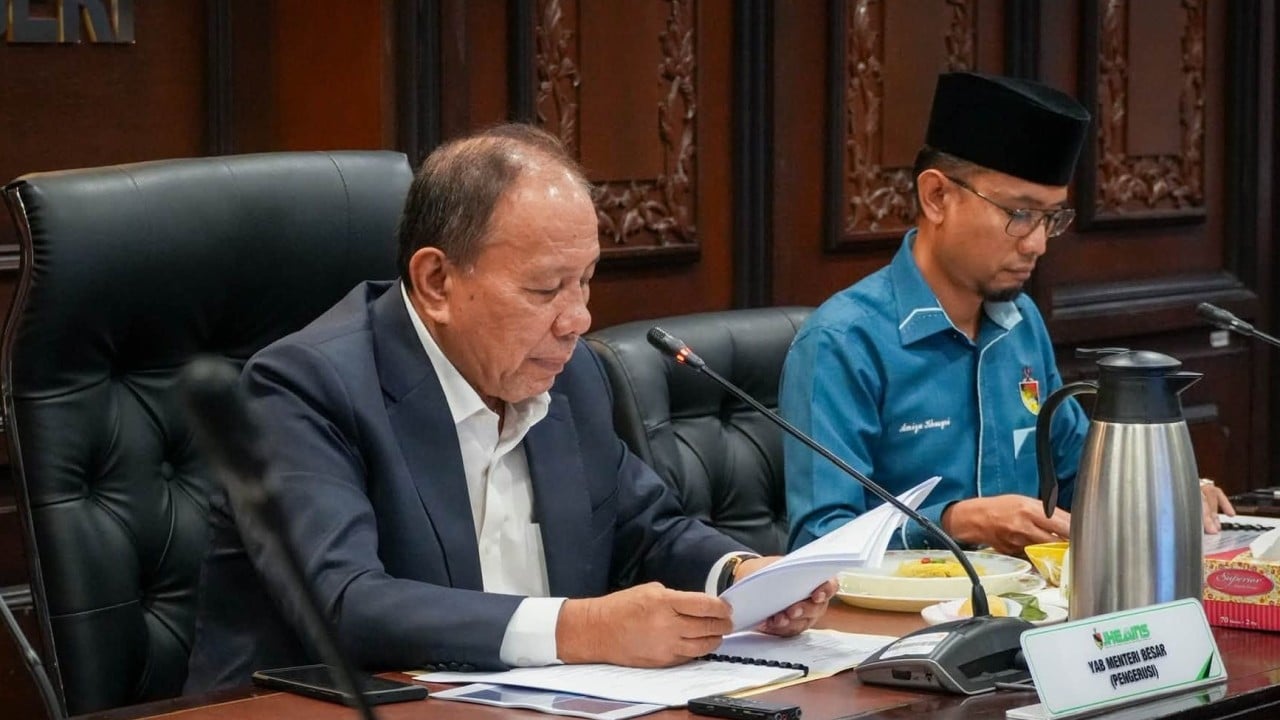
Malaysia’s Negeri Sembilan chief minister said on Friday that the state’s ruler had ordered him to remain in office – prompting a denial from the palace – four days after his party announced his resignation amid a royal power struggle.
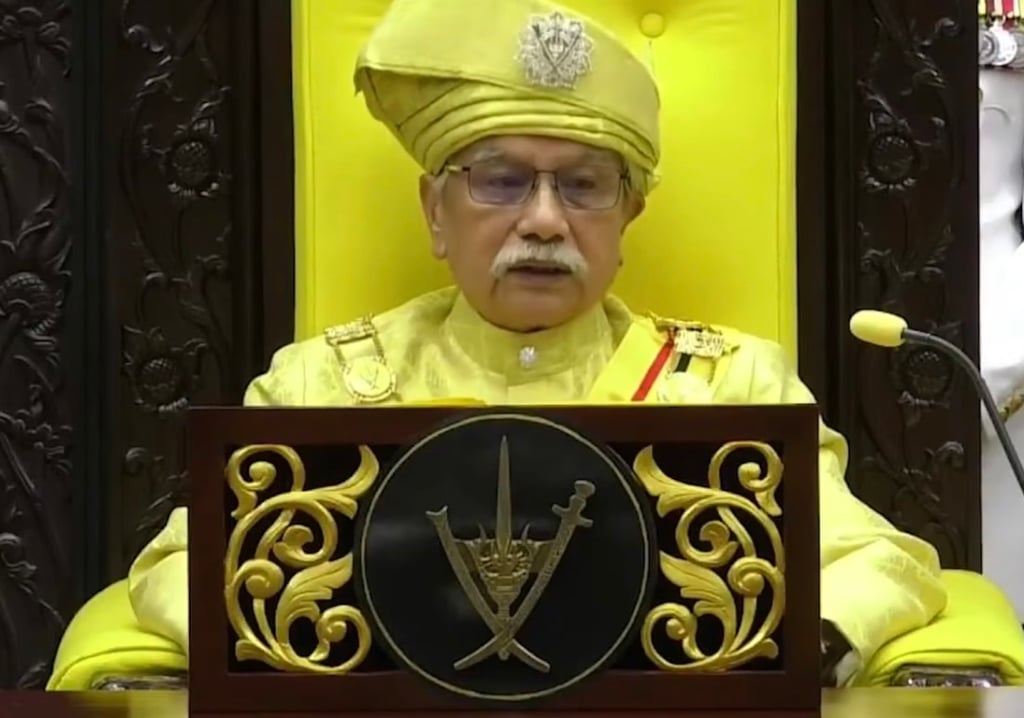
This follows a seven-month dispute in the western Malaysian state, where a group of rival traditional chieftains attempted in April to depose ruler Tuanku Muhriz Tuanku Munawir and install Tunku Nadzaruddin Tuanku Ja’afar in his place.
The crisis deepened in September when the newly elected state government backed the move, prompting the ruler to sack all 10 executive councillors and leaving the administration unable to carry out key functions.
Ismail Lasim, 67, confirmed he would remain chief minister after an audience with Tuanku Muhriz at the palace in Seremban, south of Kuala Lumpur, on Friday morning.
“I neither submitted nor consented to the submission of the [resignation] letter to Tuanku Muhriz,” he told reporters.
Ismail said the letter, dated November 16, had been kept by the leadership of his Umno party, but insisted he “never agreed for it to be submitted in this manner”.
But in a statement issued later on Friday, the palace disputed Ismail’s account that the ruler had asked him to stay, insisting that his position depended on whether he still commanded majority support in the state assembly.
“It is inaccurate and not based on facts to say that the palace wants him to remain as chief minister. That question does not arise, as he himself has insisted that he did not resign,” the palace said.
It added that Ismail “must demonstrate that he still commands the support of the majority of state assembly members” and submit a proposed list of executive councillors for the ruler’s consideration before a date could be set for the state assembly to convene.
The Umno-led Barisan Nasional coalition announced his resignation on Monday night and said it would propose a successor.
The palace disputed the process the following day, confirming that a letter had arrived through a lawyer but that its authenticity remained unverified. It said a chief minister’s resignation only takes effect upon receiving the ruler’s consent under the state constitution.
Ismail took office on August 2 after Barisan Nasional and its state governing partner Perikatan Nasional won a combined 25 of the assembly’s 36 seats.
On Friday, he read out a formal undertaking recognising Tuanku Muhriz as the legitimate ruler and declared the April proclamation attempting to remove him invalid. He also promised to honour decisions made by the Dewan Keadilan dan Undang, a council responsible for the state’s royal customs.
Ismail admitted he had “erred in leading the state government” and said he made the undertaking voluntarily.
“If I or any member of the state government breaches any part of this undertaking, I promise to step down and formally submit my resignation.”
Royal reset
Unlike Malaysia’s eight other royal states, which follow hereditary succession, Negeri Sembilan’s monarch is elected from eligible princes by four traditional chiefs, known as undang, under customs rooted in the Minangkabau traditions of neighbouring Indonesia.
The constitutional confrontation has paralysed the state government since September, delaying preparations for the 2027 state budget and legislative assembly sittings.
“The administration is disrupted because we have no executive council, no executive council meetings. Many government decisions cannot be made,” Ismail said. “Our priority is to have an executive council again. The names will be subject to Tuanku’s consent. That is his prerogative.”
Ismail said new appointments could be finalised within days, and discussions on convening the state assembly would follow once the executive council was restored.
Political analyst Azmi Hassan said Umno, a key partner in Prime Minister Anwar Ibrahim’s federal government, has sought to end the confrontation rather than prolong the administrative paralysis.
“They want to end the impasse in Negeri Sembilan between the state government and the monarchy,” said Azmi, a senior fellow at the Nusantara Academy for Strategic Research. “Umno applied a little bit of pressure because I think Ismail Lasim is the best choice for the monarchy or for Umno in terms of their working together.”
Azmi said Tuanku Muhriz’s decision to retain Ismail offered a way out of the dispute, which had persisted even after the chief minister and the sacked councillors withdrew their submission to the Conference of Rulers backing the ruler’s removal earlier this month.
“If the monarchy wants Ismail Lasim to be the [chief minister], then I think the impasse is basically ending.”
KioskNews shows a cleaned-up reading view extracted from the publisher’s page — the original always lives on their site, not ours.