With 40% Tariff Threat, Trump Wants An Edge Over China Despite A Trade Deal
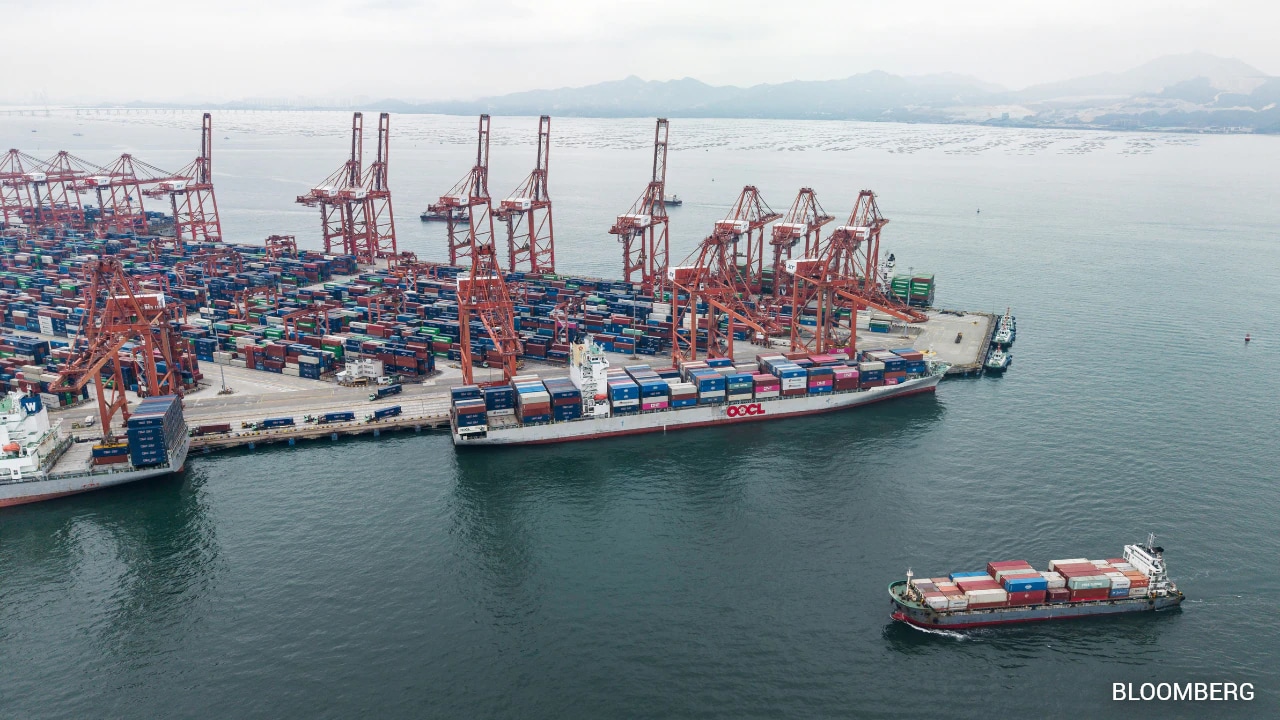
China has signaled it's unlikely to retaliate against new US tariffs that remain within the bounds of a previously agreed trade deal, but the threat of higher rates shows Washington wants to maintain some leverage over Beijing.
The US unveiled a fresh round of levies on trading partners Wednesday following months of investigations, setting the rate on China at 20 percent and warning it could double if trade talks between the two sides break down.
The new tariffs mark the latest effort by the Trump administration to reinstate its expansive tariff agenda after the US Supreme Court struck down the president's previous import taxes on products from China and dozens of other economies. China has previously indicated its new tariff rate was expected.
While the US warned that the China tariffs could rise 40 percent, it hasn't spelled out exactly what it would take to trigger that. A US official, speaking on condition of anonymity ahead of Wednesday's announcement, said the higher rate could kick in if Beijing doesn't comply with a trade deal reached last year.
READ | Make In India Faces Heat As Trump Threatens 25% Tariffs. What Happens To Exports
"China is unlikely to retaliate because the US hasn't reneged on its agreement regarding the 20 percent cap," said Tianchen Xu, a senior China analyst with the Economist Intelligence Unit. "Right now the 40 percent is more bluff than reality."
In July, the US announced 12.5 percent duties on China following Section 301 investigation into the alleged failure of around 60 economies to prevent forced labor in their supply chains. Section 301 tariffs are generally seen as more legally durable and flexible than other tools Trump has considered, but they take longer to implement.
"This is within the bounds of the US-China trade truce, and it shouldn't pose a major threat to China's export sector," said Christopher Beddor, deputy China research director at Gavekal Dragonomics. "The US tariffs appear to have had remarkably little impact on wider US-China trade."
READ | US Tariff Plan Raises Stakes For India To Clinch Trade Deal
Chinese Foreign Ministry spokesman Guo Jiakun on Wednesday dismissed the prospect of new US tariffs on Chinese exports as "political maneuvering," calling on both sides to work together to preserve their trade truce.
Still, the possibility of higher duties adds another source of tension ahead of President Donald Trump's talks with Chinese President Xi Jinping at next month's Group of 20 summit. The two leaders will meet with their trade truce approaching a January expiration.
(Except for the headline, this story has not been edited by NDTV staff and is published from a syndicated feed.)
KioskNews shows a cleaned-up reading view extracted from the publisher’s page — the original always lives on their site, not ours.