Russian missiles land in Poland, as Europe holds military drills nearby
There was no immediate comment from Moscow on the missiles and suspected drone, or on Friday’s drills.
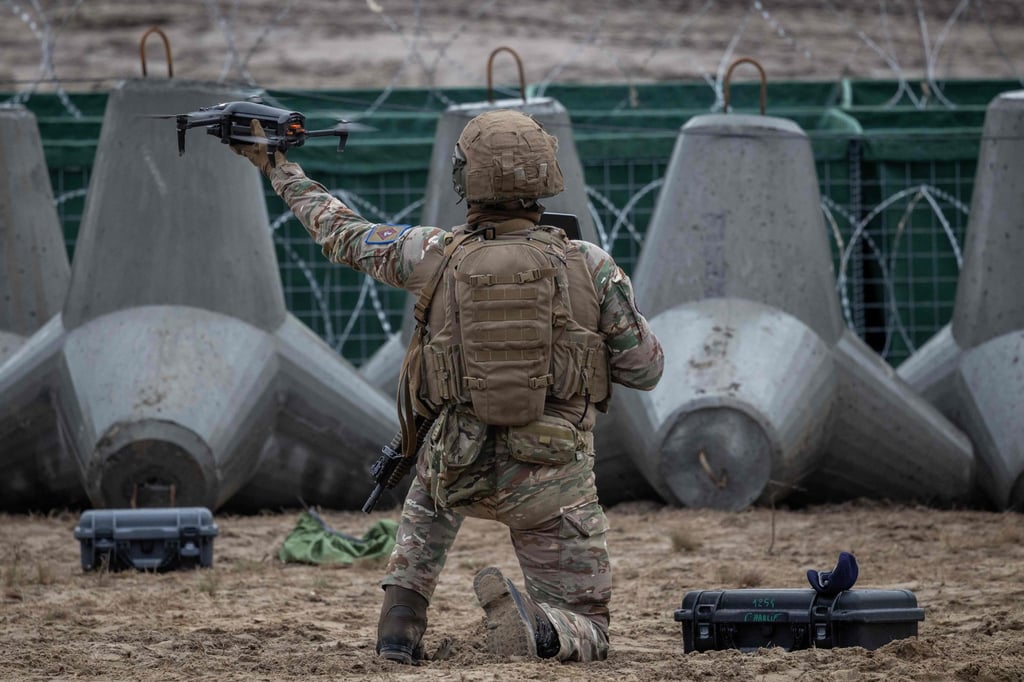
One Russian missile is believed to have crashed around 35km (22 miles) from where the military exercises were taking place, officials said.
A Kh-101 cruise missile went down roughly 50km (30 miles) from the Ukraine border, and what officials believe was likely a jet-powered drone hit about 30km (20 miles) from the border with Ukraine.
There were no immediate reports of injuries or damage.
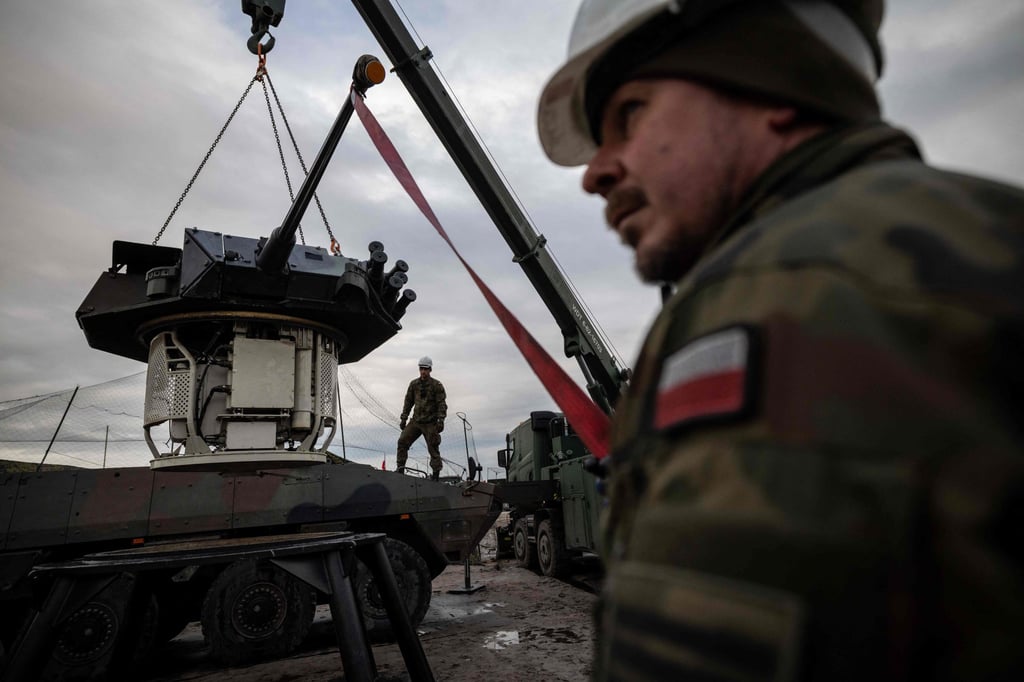
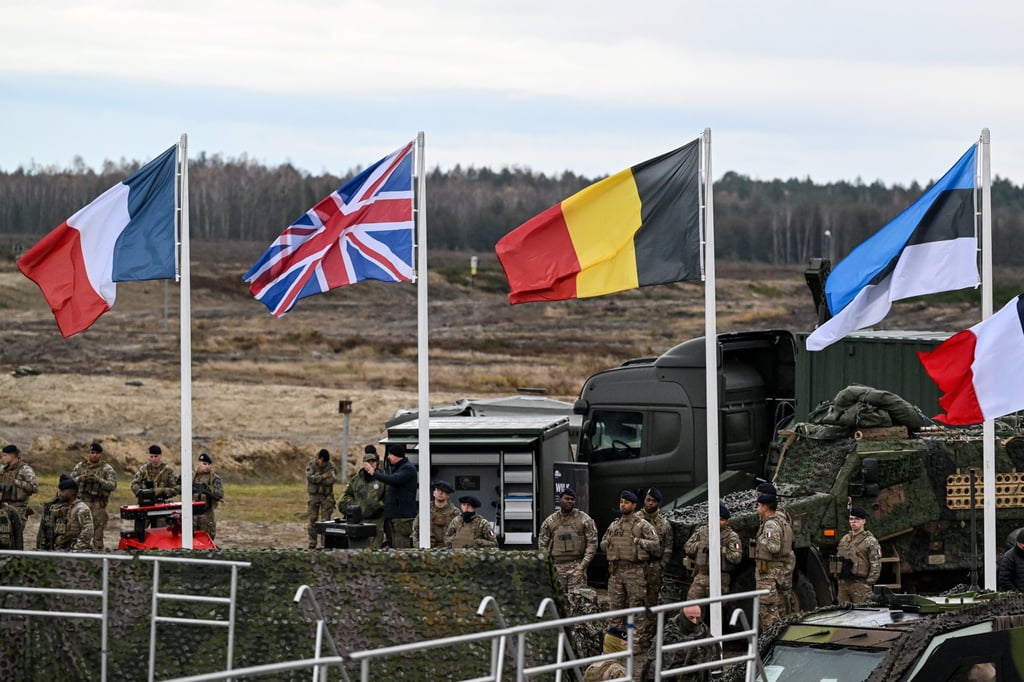
European troops were taking part on Friday in an unprecedented two-week military exercise that began November 9 in southeastern Poland. Forces are preparing for a possible post-war mission in Ukraine aimed at helping to stabilise the country and rebuild its military.
European countries have previously expressed alarm at what they deem to be Russia’s attempts to destabilise the continent.
US President Donald Trump discussed the war at a summit in China on Thursday with Russian President Vladimir Putin and Chinese leader Xi Jinping, according to his envoy Steve Witkoff.
Another envoy, Trump’s son-in-law Jared Kushner, told European leaders that the US believes Russia is “comfortable” with Nato-like security guarantees for post-war Ukraine, in what could be a step towards compromise.
But Russian Deputy Foreign Minister Sergei Ryabkov said on Friday that even a quasi-membership in Nato for Ukraine would be unacceptable, Russia’s Interfax news agency reported.
“We discuss security guarantees primarily in terms of ensuring the security of our own country, and that’s what we’re talking about,” Ryabkov said.
Russia’s nighttime attack on Ukraine came hours after Putin vowed to retaliate for Ukrainian strikes this week on a bridge linking occupied Crimea with the Russian mainland. The bridge is vital to Moscow’s war effort.
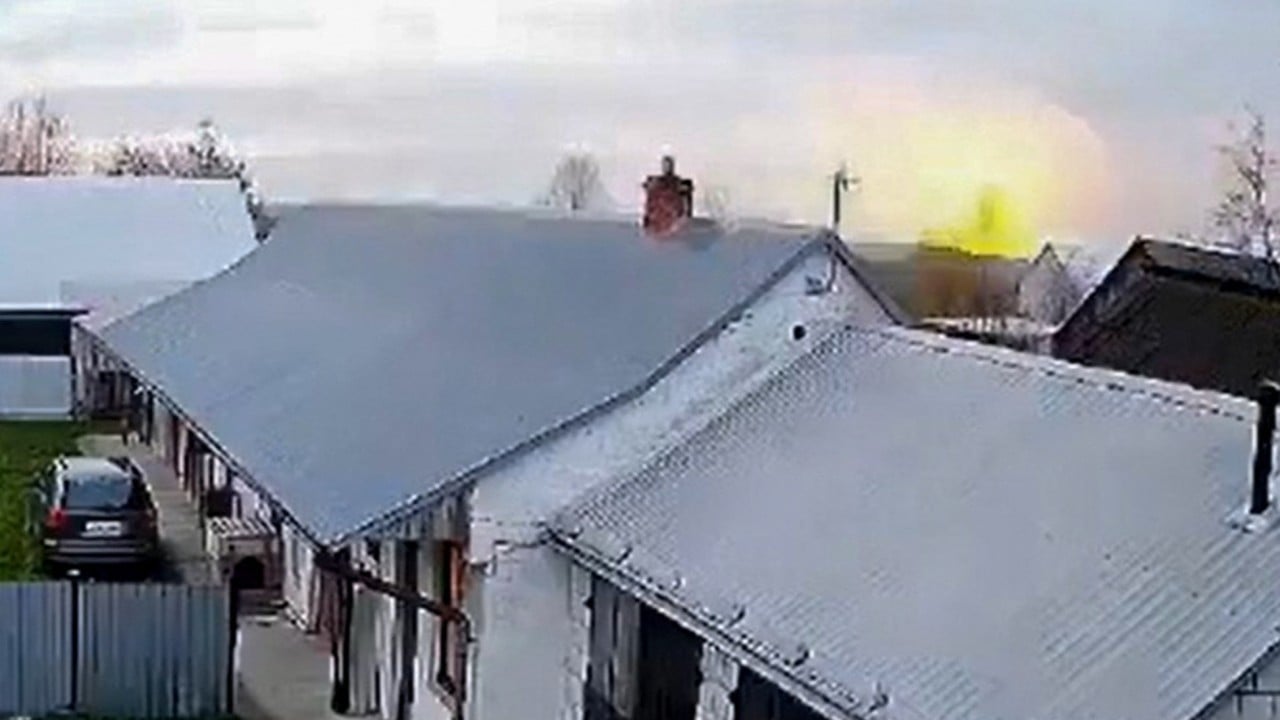
Images from closed-circuit cameras and a mobile phone in the region collected by Poland’s PAP news agency showed a large, loud explosion and a bright flash, apparently in a wooded area, in one of the crashes.
Nato Secretary General Mark Rutte called the development in Poland a “grave violation” of that country’s airspace. “This incident is clearly dangerous – a consequence of Russia’s ongoing war against Ukraine,” Rutte said on social media.
Rutte is expected to go to Poland this weekend in response.
Under Nato’s collective security guarantee – Article 5 of its founding treaty – an attack on any ally should be considered an attack on all 32 members. It obliges members to provide support to that ally, most likely military backup, but does not limit them to that alone.
Article 5 is not triggered automatically. Ultimately, it is a political decision that all members must agree to. Poland also has the option to enact Article 4, which it did last year. This provides for emergency consultations only.
The development brought a chorus of European condemnation.
British Prime Minister Andy Burnham described it as “utterly unacceptable”.
European Council President Antonio Costa said that Russia “continues to spread [its] threats”. Germany’s foreign ministry called it “yet another example of Russia’s ongoing provocations”.
Ukrainian Foreign Minister Andrii Sybiha said the incident in Poland “demonstrates the threats posed by Russian aggression to the whole of Europe and the transatlantic community”.
Later Friday, the chief of defence intelligence for the UK said he was confident that Russia “does not actively seek war with Nato”.
Lieutenant General Matthew Jones said in a speech at a college in Cambridge, his greatest fear was “the risk of a significant miscalculation”.
“There are too many recent examples of reckless Russian behaviour where, if the incident had been slightly different, the results could have been extremely serious,” said Jones, who did not directly mention the incidents in Poland.
Putin has said that Russia will not accept any European troops deployed to Ukraine after a prospective peace deal and will view them as legitimate targets.
KioskNews shows a cleaned-up reading view extracted from the publisher’s page — the original always lives on their site, not ours.