DOJ: Complainants' consent among factors in US extradition request for Quiboloy
Make this your preferred source to get more updates from this publisher on Google.
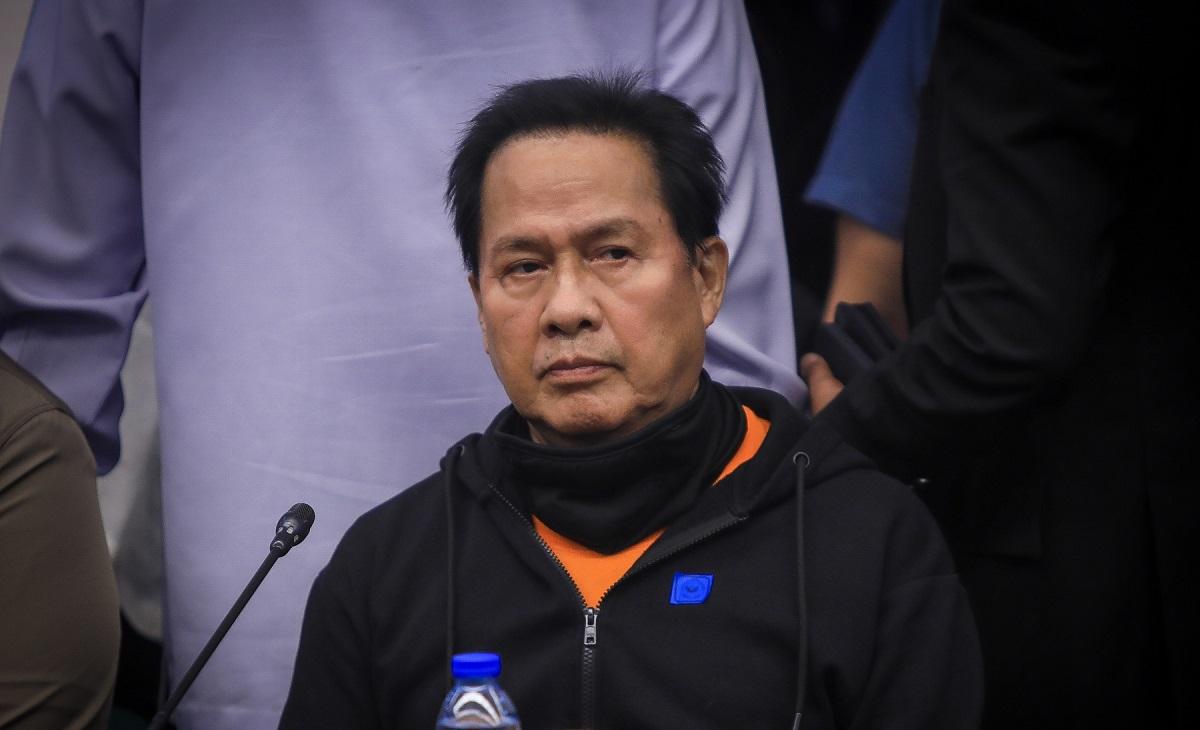
An executive from the Department of Justice (DOJ) said that one of the factors being considered in the extradition request of the US for Kingdom of Jesus Christ (KOJC) founder Apollo Quiboloy is the consent of Philippine complainants, but maintained that the process itself was sui generis.
The DOJ has already filed an extradition request for Quiboloy and two of his co-accused to the United States before a Makati court. Asked about what would happen to the local cases faced by Quiboloy, Vasquez explained that they could either be completed before the extradition process or temporarily suspended.
There are several conditions that need to be assessed before an extradition request is granted, according to Vasquez.
“Kasi pending din sa atin. Hindi mo naman pwedeng sabihin na mas importante yung rule of law nila tsaka yung justice system nila doon kasi mayroon ding tao na victimized dito,” Vasquez said in a press briefing.
(Because it is pending with us. You cannot say that their rule of law and justice system is more important there because there are people who are victimized here.)
“Kaya one of the items that would be considered would be, yung sinasabi nilang consent of those private complainants dito sa Pilipinas. But at the end of the day, ito kasing extradition is a sui generis process,” he added.
(So one of the items that would be considered would be. What they call is the consent of those private complainants here in the Philippines. But at the end of the day, this extradition is a sui generis process.)
Suis generis is a legal term describing something as a class of its own. Vasquez said that extradition is not a criminal or civil case, but an administrative judicial proceeding where the degree of proof lang niyan is prima facie.
Vasquez said that the court will have to check if the case satisfies both the extradition treaty and Philippine laws. The court also has to confirm that the subject of the extradition request is the same as the person being presented before the tribunal.
The crime that the US is charging Quiboloy with should also be considered a crime in the Philippines, regardless of the name of the crime.
Quiboloy is wanted in the US on sex trafficking charges, and in the Philippines, he is facing charges of qualified human trafficking and sexual abuse. —LDF, GMA News
KioskNews shows a cleaned-up reading view extracted from the publisher’s page — the original always lives on their site, not ours.