Hong Kong rail giant warns of cash crunch despite Northern Metropolis land grant
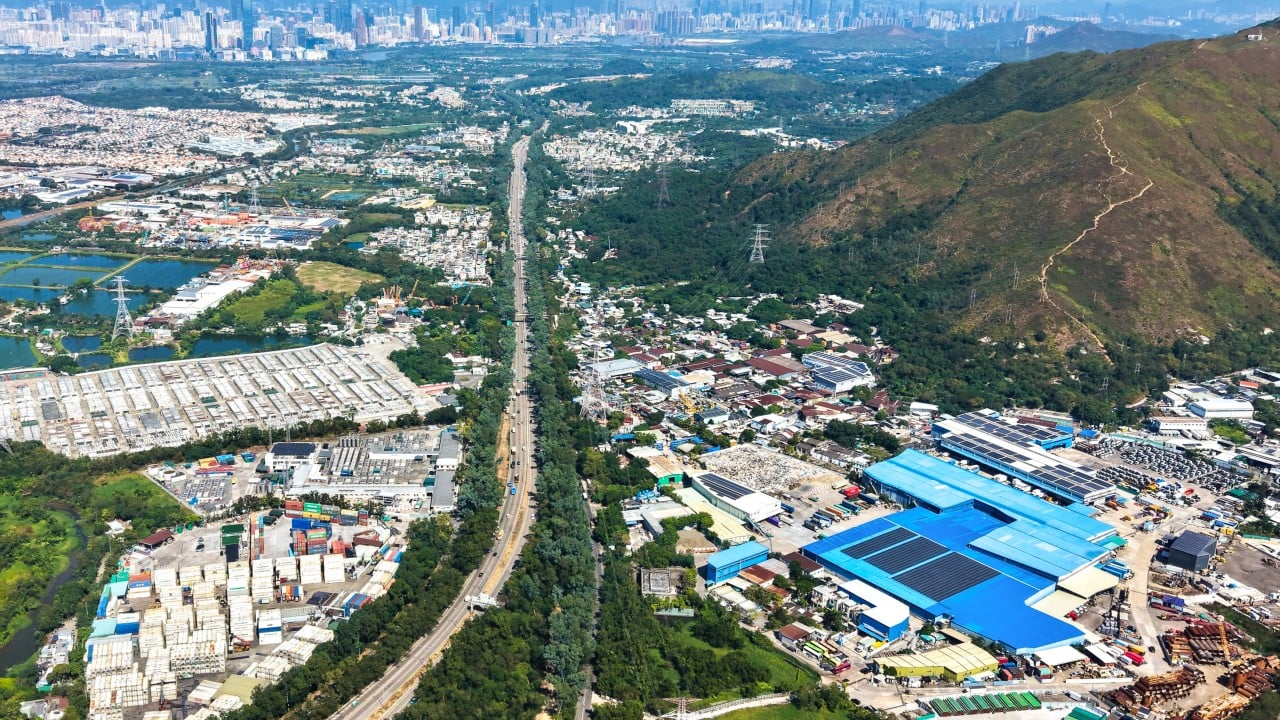
Hong Kong’s MTR Corp has warned that it will face significant cash flow pressures over the next few years, even with the government’s grant of eight new sites for developing the Northern Link rail project in the Northern Metropolis.
The warning came as the Liber Research Community cast doubt on MTR Corp’s model of using property developments to fund rail construction, pointing out that about a third of the 18 sites granted in total were idle plots where developers had opted for cash compensation instead.
MTR Corp CEO Jeny Yeung Mei-chun told the media on Saturday that proceeds from the sale of the eight newly granted sites would be enough to subsidise the rail operator in constructing and maintaining the new rail line, as well as funding asset upgrades.
However, she admitted that the rail giant faced heavy financial pressure because the “rail-plus-property” model typically required a long cycle to generate returns.
“This model is unique as we need to wait for the revenue generated from the property development to fund the construction and operation of the new rail. This cycle is very long as we may not be able to sell off the land before the new rail opens,” she said.
“For instance, we are still selling flats atop the South Island line which has been in operation for 10 years. So this is a long-term investment.”
Under a government financing arrangement this week, the MTR Corp will receive development rights for eight sites in Ngau Tam Mei, San Tin, Kwu Tung North and the proposed Au Tau New Development Area. This will serve as funding support for the second phase of the Northern Link under its “rail-plus-property” model.
These sites bring the number of plots granted across both phases to 18, covering more than 70 hectares, according to Liber, a local think tank focused on land and development research.
The link’s cost was reduced by 28 per cent to HK$86.2 billion (US$11.05 billion) with the rail operator planning to adopt the mainland Chinese construction standards, after the government approved the funding for the project’s second phase, ahead of a planned launch by 2034.
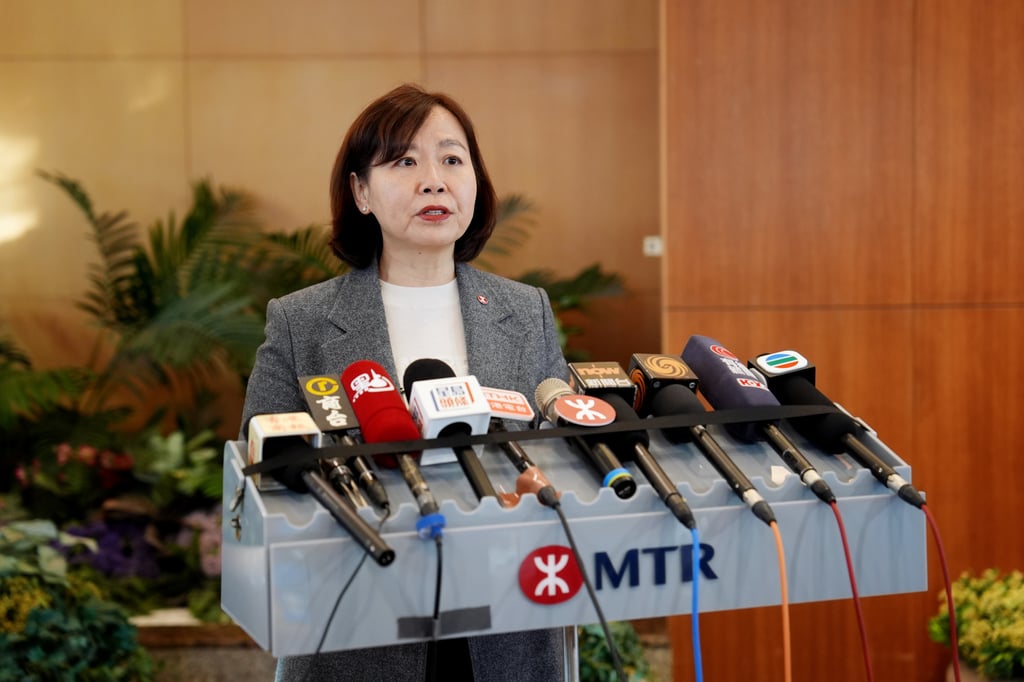
Yeung noted that high cash flow demand was expected over the next two to three years, as the MTR Corp currently has seven railway projects under construction, including the Northern Link.
“The upcoming years of 2029, 2030 and 2031 will actually be our peak construction periods, as phase two of the Northern Link will enter a stage with a high volume of construction work with huge cash flow demand,” she said.
But she envisaged the company’s finances would gradually improve with new revenue flowing in after the opening of new lines and the progressive sale of nearby property sites.
Yeung added the rail giant would explore different funding options such as issuing bonds and borrowing low-interest loans to ease cash flow pressure.
However, Liber pointed out that six of the 18 sites were idle land-bank plots where developers opted for government cash buyouts over in situ land exchanges to avoid land premium payments, reflecting a less than buoyant property development outlook.
“The long-term financial viability of applying the traditional rail-plus-property model to these specific locations remains uncertain,” it said.
Liber added that the government previously encouraged developers to apply for land exchanges – converting original agricultural land leases into leases for other uses – to help advance the Northern Metropolis.
“However, factoring in their own profit considerations, developers likely felt the returns were too uncertain and preferred to cash out and exit.
“This also reflects that for careful, calculating developers, unless market conditions suddenly become exceptionally buoyant, these sites may hold limited investment value.”
The Northern Metropolis megaproject, first announced in 2021, aims to turn 30,000 hectares (74,132 acres) of land into an engine for economic growth and a housing hub. Chief Executive John Lee Ka-chiu has vowed to expedite its development in line with the nation’s 15th five-year plan.
KioskNews shows a cleaned-up reading view extracted from the publisher’s page — the original always lives on their site, not ours.