Why The Lord Of The Rings Is Revisiting Its Best Movie After 25 Years
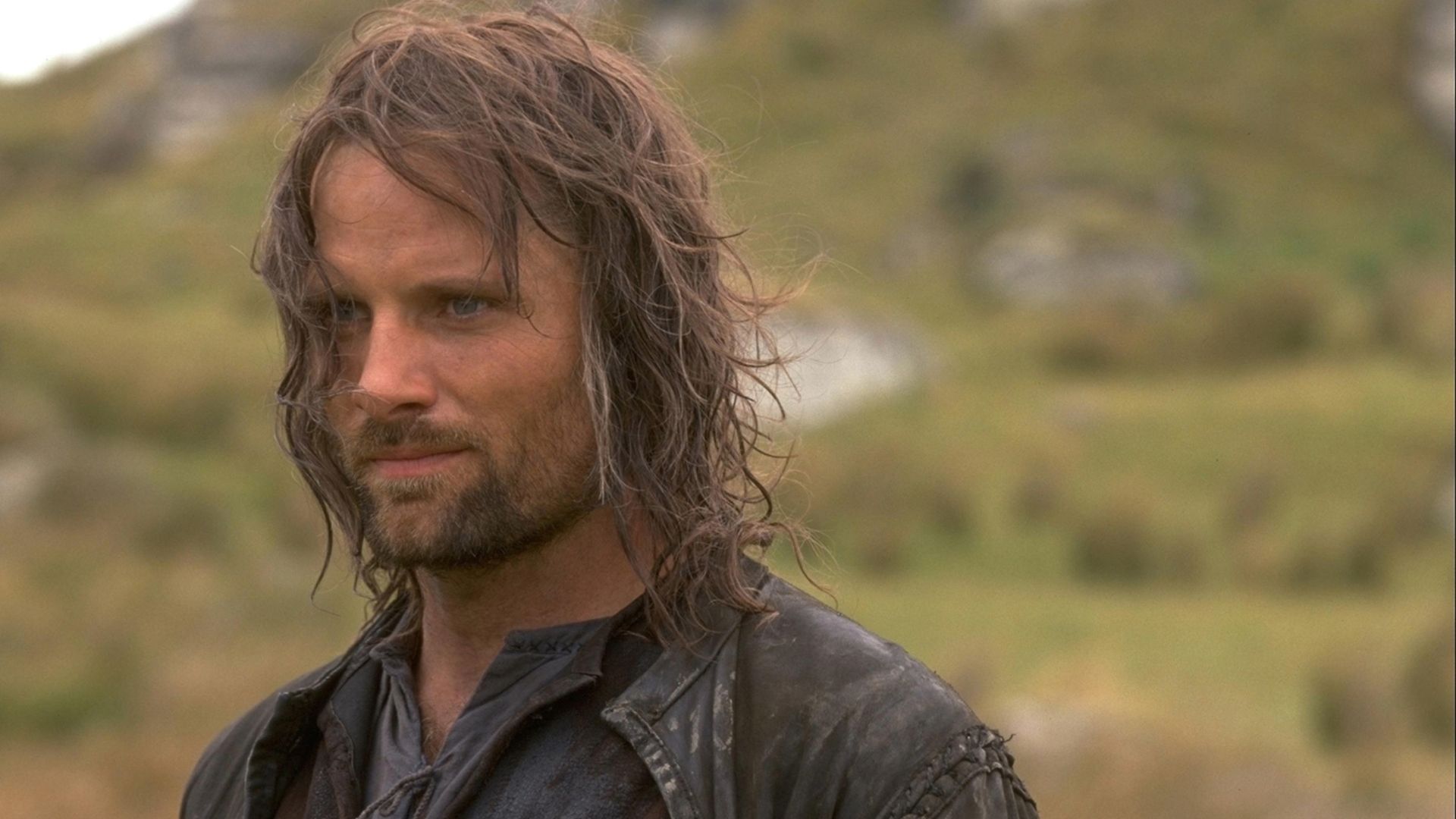

Craig began contributing to Screen Rant in 2016 and has been ranting ever since, mostly to himself in a darkened room. After previously writing for various outlets, Craig's focus turned to TV and film, where a steady upbringing of science fiction and comic books finally became useful. Craig has previously been published by sites such as Den of Geek.
Craig is an approved critic on Rotten Tomatoes.
LinkedIn: https://www.linkedin.com/in/craig-elvy-5b31a3381/
The phrase "there and back again" is taking on a whole different meaning, as The Lord of the Rings is set to come full circle. Since the conclusion of Peter Jackson's movie trilogy in 2003, subsequent movie and TV projects have focused on Middle-earth before Frodo came into possession of the One Ring: the trilogy of movies under the banner of The Hobbit, Amazon's Second Age The Rings of Power series, and the animated The War of the Rohirrim.
With its next two projects, Warner Bros. is taking a different approach. Andy Serkis' The Hunt for Gollum, set for release in December 2027, and the in-development Shadow of the Past from a Stephen Colbert who suddenly has more time on his hands, both act as companion pieces to The Fellowship of the Ring.
Serkis' movie will, if Tolkien's timeline is any indication, be set just before and around the start of Peter Jackson's opening movie. Gandalf and Aragorn's 'Desperately Seeking Sméagol' essentially fills the gaps between the wizard's early visits to the Shire. The core concept of Shadow of the Past is even more directly related to The Fellowship of the Ring, with Colbert partially drawing inspiration from the Barrow-downs chapter that Jackson's movie skipped. Again, the setup looks to be along the lines of "here's something that happened offscreen during the first movie."
In returning to The Fellowship of the Ring, Warner Bros.' The Lord of the Rings movie franchise is blending the old with the new, and it's not by accident that this specific era of Tolkien's timeline is being mined for more material.
What Warner Bros. Can Actually Adapt From Tolkien's The Lord Of The Rings Lore
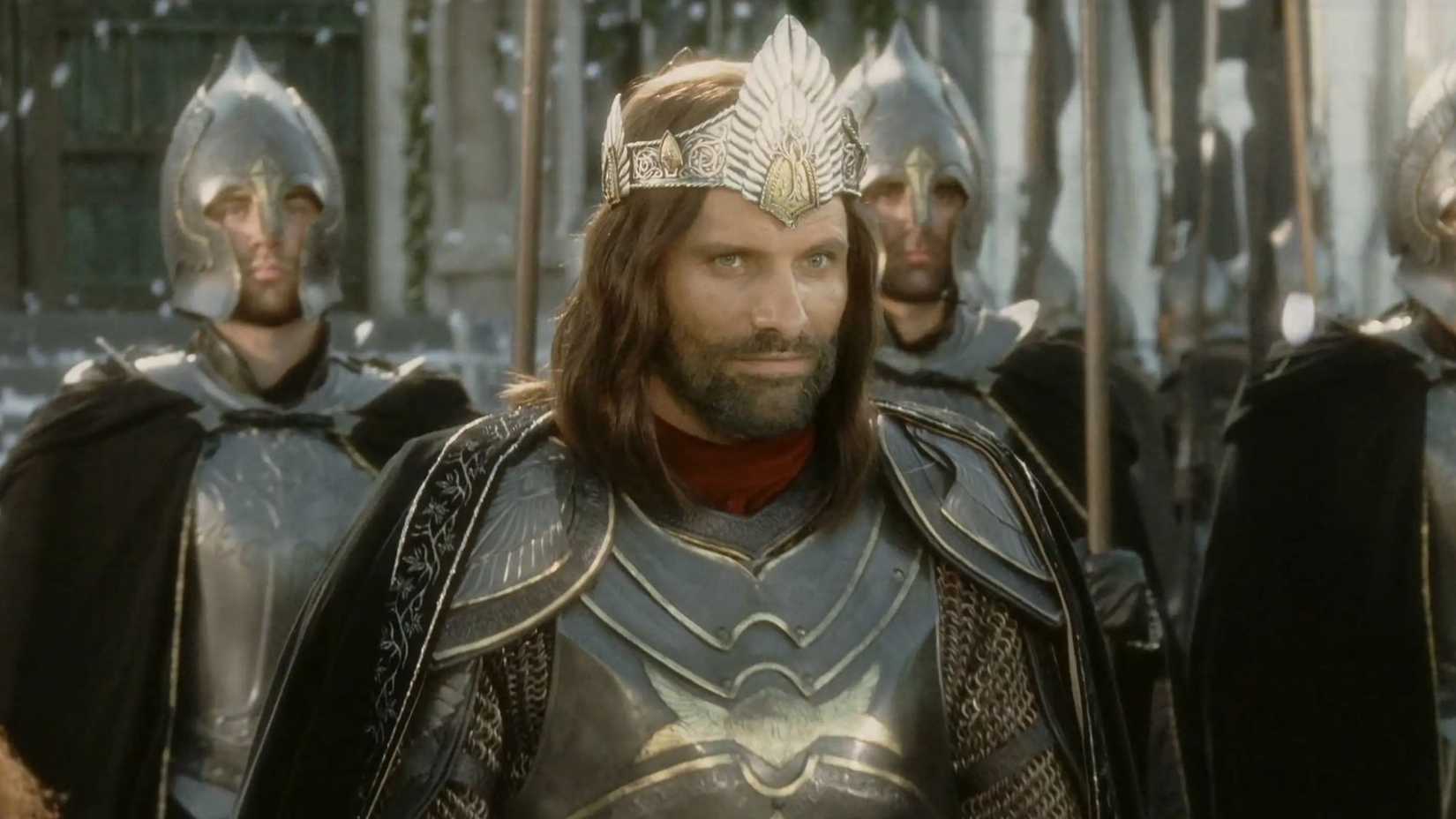
Who holds what rights to which parts of The Lord of the Rings canon is a nightmare to untangle, and has been for many years. The confusion has been compounded more recently by The Rings of Power including specific details from The Silmarillion, possibly after obtaining approval from the Tolkien Estate.
The situation at Warner Bros. is similar to Amazon, with adaptation rights pertaining only to Tolkien's three The Lord of the Rings books (plus their appendices, helpfully), and The Hobbit.
With both The Lord of the Rings and The Hobbit both already very much adapted, Warner Bros. needs to get more creative in how it derives source material from its Tolkien license. Hence, we're now getting smaller stories set in and around The Fellowship of the Ring instead of, for instance, a $300 million blockbuster adapting the First Age's War of Wrath, which would almost certainly be a better movie.
It's also worth noting that the movie rights to The Lord of the Rings were up for renewal circa 2023, which could have potentially resulted in a rival studio obtaining the license and producing their own remakes. Warner Bros. ultimately retained its access to the IP, and having made that investment, it's only natural to see new projects emerge from the same universe as Peter Jackson's Middle-earth.
The Fellowship Of The Ring Is Best Suited To Spinoff Stories
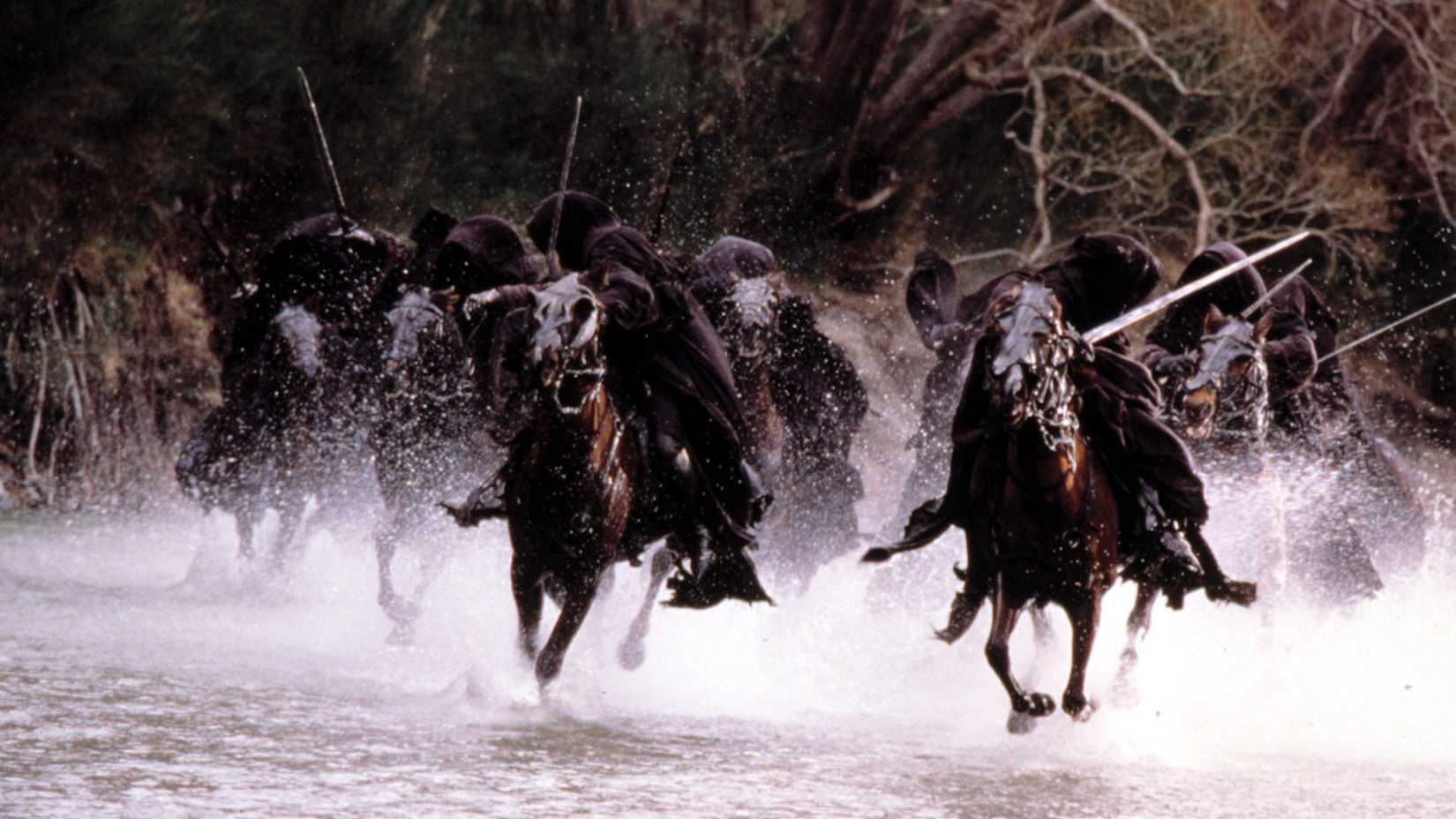
Legal limitations aside, it's still curious that The Lord of the Rings' next two movies gravitate toward The Fellowship of the Ring specifically, rather than the other two entries in the series, or even The Hobbit.
The most straightforward explanation is that The Fellowship of the Ring is the most condensed entry in Peter Jackson's six-movie bi-trilogy. The Hobbit already pushed its luck by stretching to three installments, pulling from Tolkien's wider lore in order to do so. The Two Towers and The Return of the King, meanwhile, are relatively contained in terms of timeline. With so much happening at any given moment, it's difficult for any of the major players to squeeze in a side story. The one notable exception, of course, would be "The Scouring of the Shire" coming at The Return of the King's climax.
The Fellowship of the Ring is different. Far more ambiguous in its timeline, at least at the beginning, the story takes place over a number of years, and features a sizable time skip, which will likely prove useful to The Hunt for Gollum. The Fellowship of the Ring is also the chapter with the most geographical legwork, as the hobbits travel from the Shire to the edge of Gondor. That epic journey leaves plenty of narrative corners to poke into, and, consequently, plenty of book sections that didn't make it into the film, which is where Shadow of the Past swoops in.
Unless Warner Bros. wants to go ahead and make a "Scouring of the Shire" movie, The Fellowship of the Ring is really the only place to incorporate spinoffs that feature familiar faces, don't contradict canon, and don't breach the borders of material legally available.
The Fellowship Of The Ring Is Still The Lord Of The Rings' Best Movie
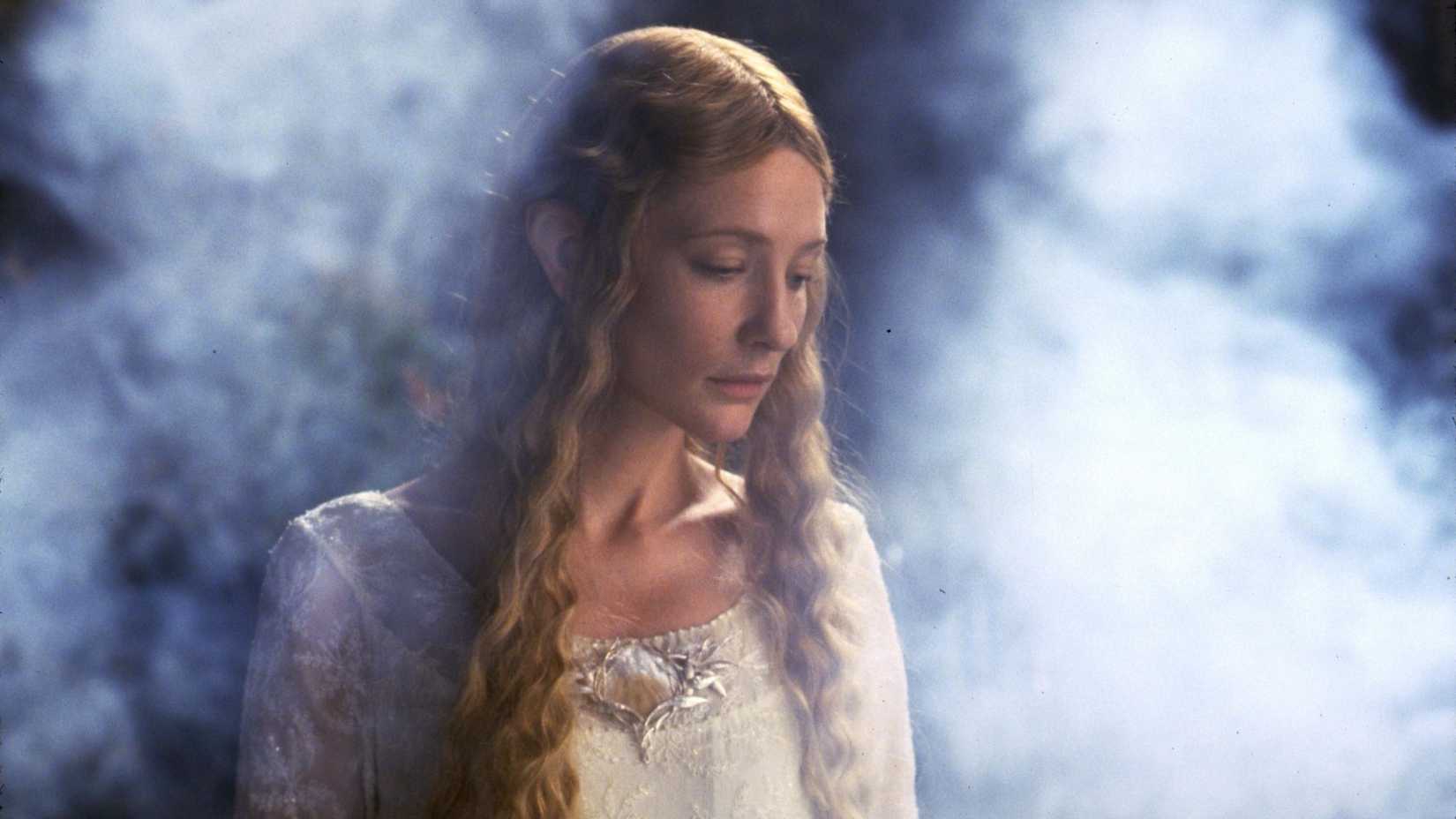
A case can be made for any of those iconic first three, with the gloom of The Two Towers and grandeur of The Return of the King both providing compelling claims to the crown of 'best The Lord of the Rings movie.' Nevertheless, it's The Fellowship of the Ring that provides the greatest overall representation of what The Lord of the Rings truly is. The calming peace of the Shire sequences is a fundamental strand in Tolkien's DNA, the short time the Fellowship spends united underpins a bond that lasts for the rest of the trilogy, and the breadth of locations on display speaks to Middle-earth's expansive scale.
The later films contain more impressive battles and more resounding moments of character development, but it's The Fellowship of the Ring that gives The Lord of the Rings its sense of fantastical wonder, and most closely examines Middle-earth as a home to regular folk instead of a battlefield. It's the only movie that truly encapsulates who the hobbit characters are before they see too much darkness, and their souls are changed forever, which makes it the most well-balanced of the three chapters when each is digested in isolation.
Were that not the case, it's unlikely that The Lord of the Rings would be going back to the beginning so many years later.
KioskNews shows a cleaned-up reading view extracted from the publisher’s page — the original always lives on their site, not ours.