The Rings Of Power's Big Season 3 Tolkien Change Is A No-Win Scenario

Angel Shaw is a Lead Writer and Critic on ScreenRant's TV team, covering new-release and classic TV shows across all major streaming platforms. She has been a writer with ScreenRant since 2022 and specializes in Harry Potter, The Lord of the Rings, and fantasy.
Angel holds a bachelor's degree in language interpreting and is passionate about all things culture and communication—especially in how it relates to popular media throughout history (from Shakespeare to Friends to Game of Thrones).
It really looks as if The Lord of the Rings: The Rings of Power has backed itself into a corner with a significant change in season 3. The prequel series already has a reputation for altering author J.R.R. Tolkien's canon, but in many ways this couldn't be avoided. Rings of Power is set in the Second Age of Middle-earth, which Tolkien didn't describe in the same sort of narrative detail as he did Bilbo or Frodo's adventures. What we do know is described more as a broad history, which means Rings of Power really has to take creative liberties.
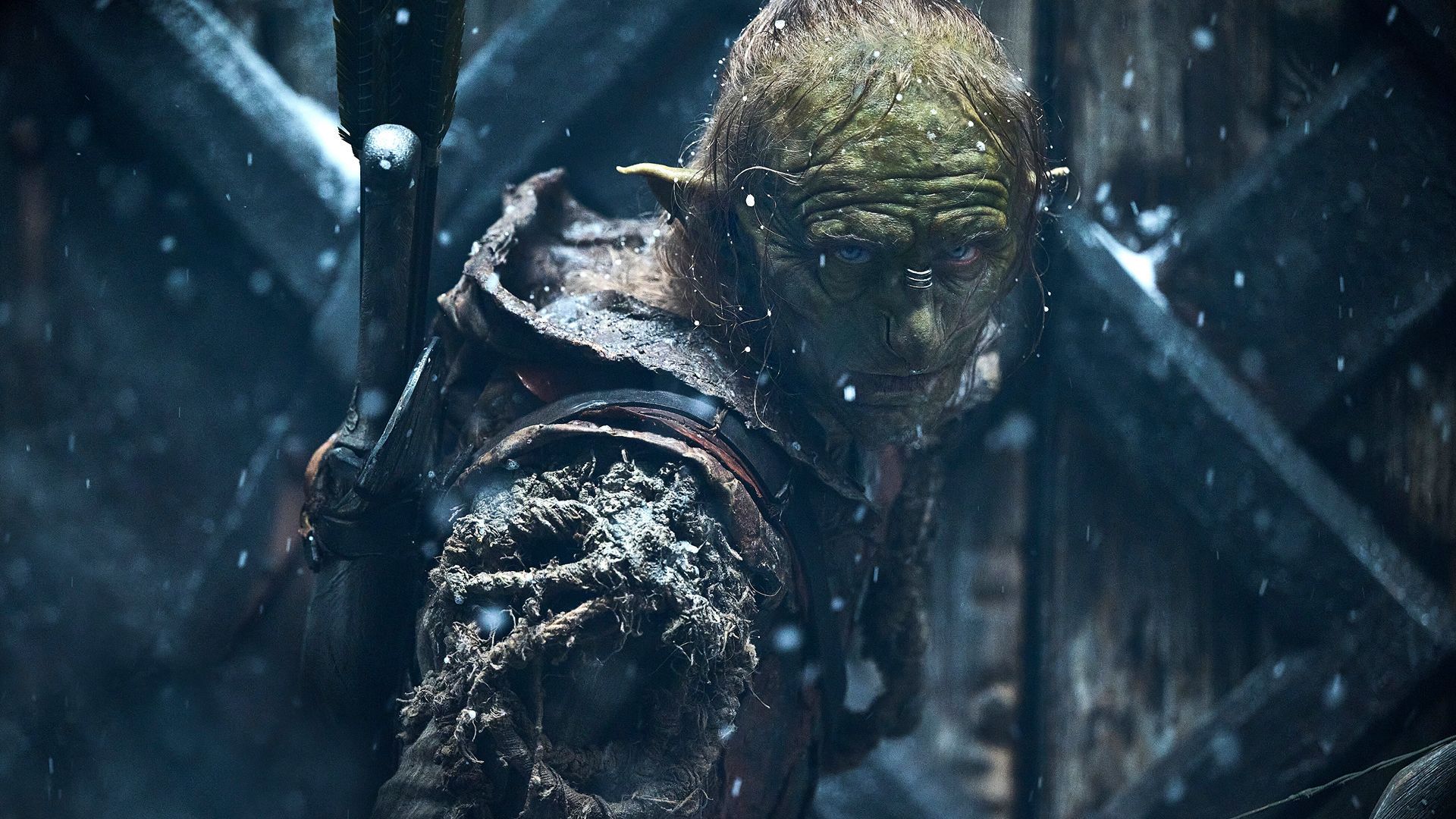
This hasn't stopped the show's changes from being divisive, however. Just as we can't completely blame Rings of Power for its presentation of the Second Age, we also can't be surprised that people take issue with certain overt shifts. A prime example is the new character that is being introduced in The Rings of Power season 3—an orc named Marnûkh, played by Adam Young.
There have been plenty of orc characters with names in The Lord of the Rings over the years, so Marnûkh isn't controversial for that reason. The issue is that he is being presented as a defector. In the trailer for season 3, and according to showrunners J.D. Payne and Patrick McKay, Marnûkh comes to Rivendell to offer help to the Elves there. This is certainly not something that Tolkien ever wrote about, but we can't get too mad yet. After all, we don't know how that character's story will conclude. The trouble is that there are only so many options, and they all sound concerning.
Neither Likely Outcome For Rings Of Power's 'Good Arc' Will Go Over Well

The big question about Rings of Power's new orc character is whether he is genuinely trying to help the Elves or is thoroughly evil, manipulating them as part of Sauron's scheme. Prospective viewers are bound to have their own opinion regarding which option is better or less problematic than the other. However, when it really comes down to it, neither is ideal. No matter how Rings of Power proceeds, there are bound to be complaints.
Rings of Power season 2 was accused of trying too hard to make the orcs sympathetic. We saw an orc family—a mother, father, and baby—in a loving embrace, which hasn't been shown before in the Lord of the Rings franchise. Adar's entire arc also seemed to encourage this idea that orcs weren't all bad. If Rings of Power season 3 were to reveal that Marnûkh is tricking the Elves, it might cool things down a bit. It would almost be a way of saying, "See, Said and done, these guys are still bad." This wouldn't be a complete fix, though.
The trouble with Marnûkh being a big old deceiver is that Rings of Power has already done this plotline repeatedly. Sauron's whole game is deceiving people, and we saw that in seasons 1 and 2. Even aside from this Dark Lord, we've seen a lot of characters pretend to be friends only to later reveal they are enemies. At a certain point, the concept loses its appeal, shock, or general interest.
Question 1 of 3
Of course, on the other side of things, if Marnûkh is revealed to be genuinely eager to help the Elves, it will definitively confirm that Rings of Power aims to draw sympathy for Tolkien's orcs. Whether this is right or wrong is difficult to say. However, it will absolutely be unpopular. Rings of Power is damned if it does, and damned if it doesn't.
What Would Tolkien Think Of Rings Of Power's Orcs?
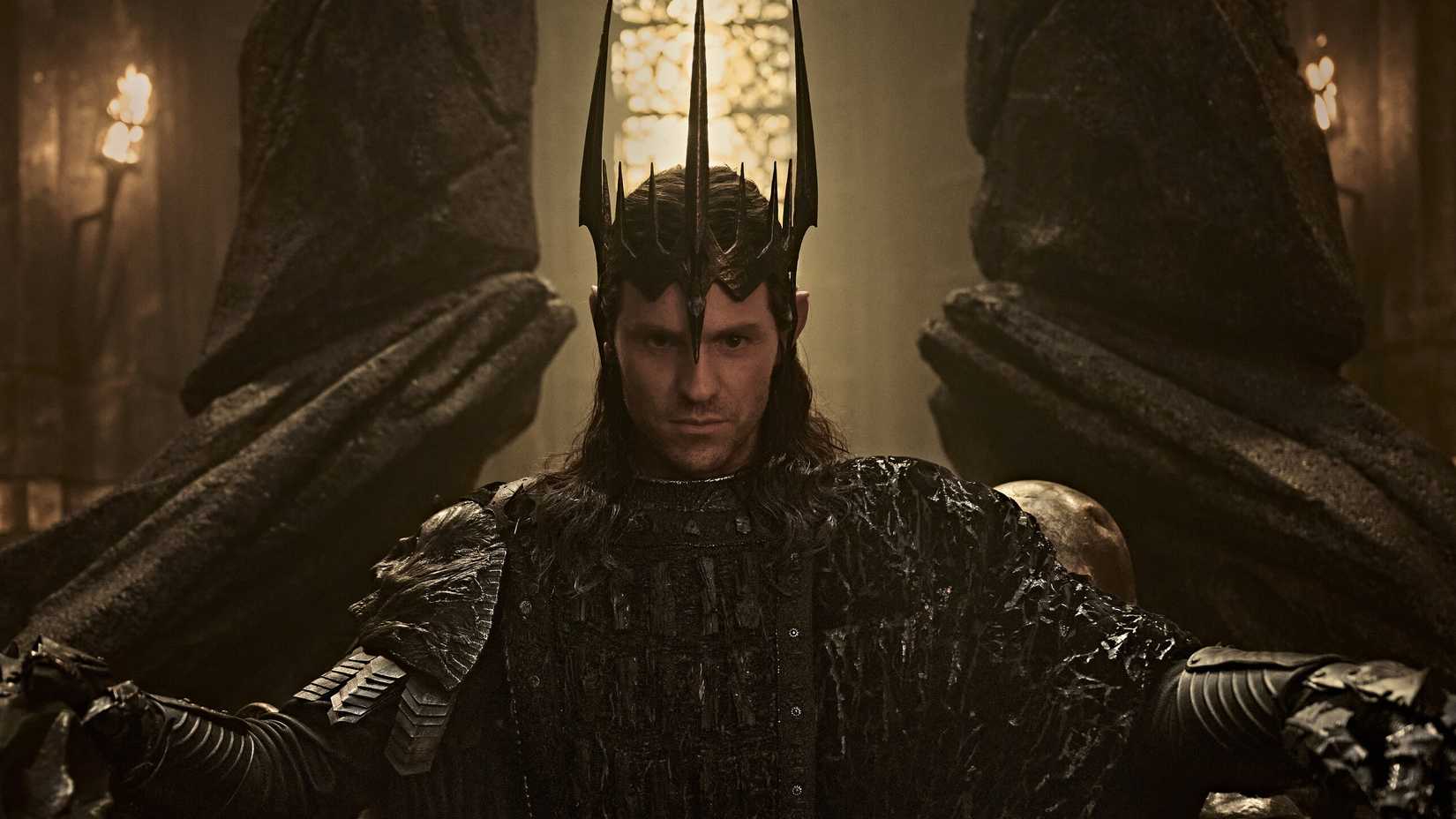
No matter what Rings of Power does at this point, it's going to upset somebody. So, all we can really do is take a moment to consider what J.R.R. Tolkien might have thought of all this. Naturally, we can never know for certain. Tolkien was famously critical of on-screen adaptations, and Rings of Power surely wouldn't be an exception. However, he likely wouldn't have had an issue with the orc family in season 2. The author himself stated that orcs reproduce in the same way as Elves, so there would, of course, have to be orc babies. We just don't see them.
The question of whether orc parents love their orc babies is something else entirely. Tolkien didn't discuss whether orcs had the ability to love. However, he did debate with himself on the subject of these monsters' inherent morality. Tolkien explained that, like everything else in Middle-earth, orcs are creations of the supreme god, Eru Ilúvatar, and that nothing happens in this universe outside the deity's will. This would mean that nothing can be inherently bad. Still, orcs are, at the very least, systemically bad.
"The orcs are not evil in origin. We believe that, I suppose, of all human kinds and sons and breeds, though some appear, both as individuals and groups to be, by us at any rate, unredeemable..."
J.R.R. Tolkien - Letter 269
"In my story I do not deal with Absolute Evil. I do not think there is such a thing, since it is Nothing. I do not think, at any rate, any 'rational being' is wholly evil."
J.R.R. Tolkien - Letter 183
Systemic evil, rather than inherent evil, would certainly imply that orcs could choose to be good if they wanted to. However, Tolkien didn't really seem to bother with the idea. We really can't blame him either, since the concept is already becoming a problem in Rings of Power. Perhaps the show will find a resolution for this story that we haven't considered, and maybe it's even something Tolkien would have found interesting. More likely than not, however, a good orc isn't something the legendary author would have cared to conceive himself.
- Release Date
- September 1, 2022
- Network
- Amazon Prime Video
- Showrunner
- John D. Payne, Patrick McKay, Louise Hooper, Charlotte Brändström, Wayne Yip
- Directors
- J.A. Bayona, Sanaa Hamri
- Writers
- Patrick McKay, John D. Payne, J.R.R. Tolkien, Justin Doble, Jason Cahill, Gennifer Hutchison, Stephany Folsom, Nicholas Adams
KioskNews shows a cleaned-up reading view extracted from the publisher’s page — the original always lives on their site, not ours.