Economic expert reveals Egyptian pound outlook for the coming two months
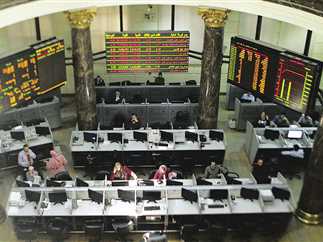
Economist Mohamed Anis has described the declines seen on the Egyptian Exchange over the past week as “paper losses” rather than actual, realized losses.
In a phone interview with “Hadith al-Qahira” (Cairo Talk), he attributed this downturn to the sale of shares, undertaken to generate liquidity for the upcoming initial public offering (IPO) of Banque du Caire, as well as the exit of foreign investments from stocks and bonds, coinciding with an outflow of “hot money.”
Anis explained that the stock market decline is linked to two primary factors.
The first factor is the behavior of individual and institutional investors, who sell off portions of their holdings to secure the liquidity needed to participate in major public offerings, a pattern observed in the Egyptian market in previous years, which is currently recurring with the Banque du Caire IPO.
Anis added that the second factor involves foreign investment managers opting to sell, alongside the withdrawal of “hot money” from bond and equity markets, a trend that has coincided with selling pressure from local investors.
The economic expert explained that a decline in the value of investment portfolios does not necessarily mean that actual losses have been incurred.
An investor who loses 90 percent of their portfolio’s value has likely chosen an unsuitable stock or made a purchase at an inappropriate price, he noted, thereby emphasizing the importance of analyzing the strength of stocks before making any buying decisions.
Anis advised investors not to rush into selling stocks out of fear during market downturns.
Instead, he suggested identifying the right time to restructure investment portfolios, rather than making sell decisions in response to short-term market fluctuations.
Regarding the foreign exchange market, the expert projected that the US dollar-Egyptian pound exchange rate would stabilize between LE 54-57 over the next two months, in light of the economic repercussions stemming from the military conflict between the US and Iran.
KioskNews shows a cleaned-up reading view extracted from the publisher’s page — the original always lives on their site, not ours.