Maine's Sand Beach was once part of J.P. Morgan's 117-acre wedding gift
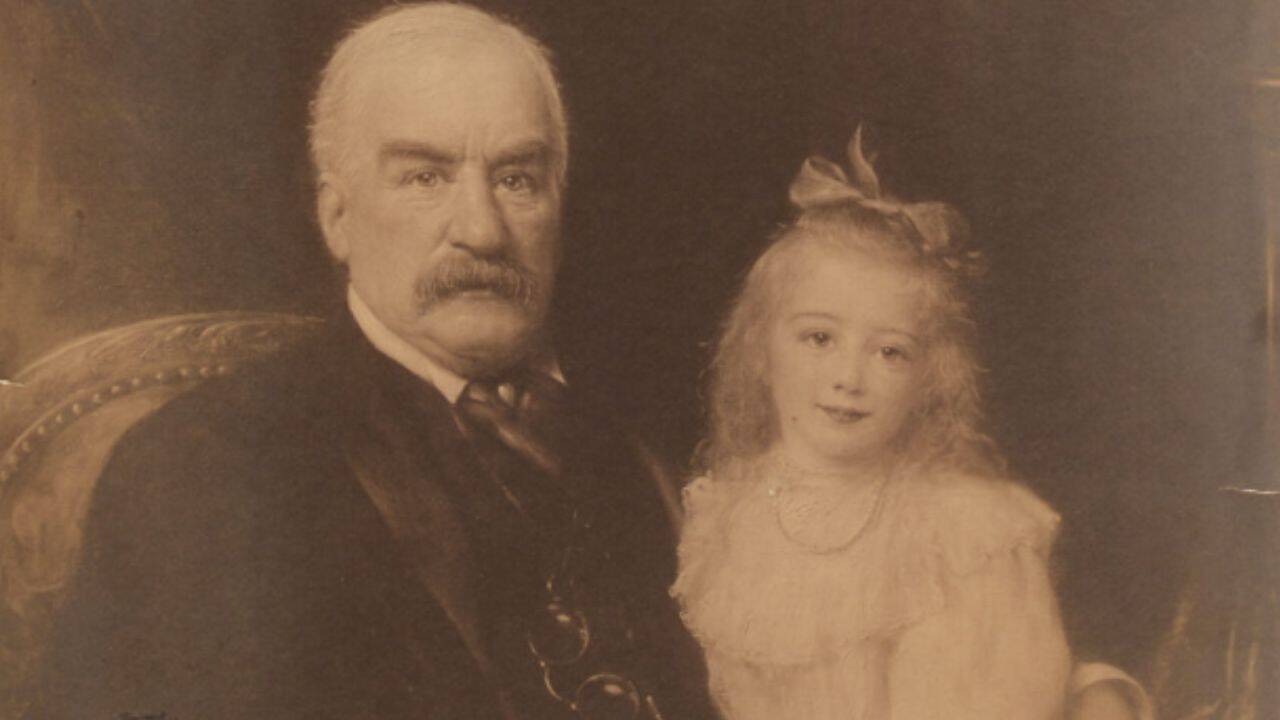
Portrait of Morgan seated with his granddaughter Mabel Satterlee, 1906. (Photo: Muller Ury.com)
In 1900, financier J P Morgan bought 117 acres in Maine, including Sand Beach and Great Head, as a wedding gift for his daughter Louisa. The land is now part of Acadia National Park.The land around Great Head and Sand Beach was connected to Louisa and and her husband Herbert Satterlee for decades before it became a public property.
According to National Park Service, the family’s summer property was commonly known as 'Satterlee field'.The 117 acres purchased by financier J P Morgan included Sand Beach and Great Head. Louisa married Herbert Satterlee in New York City in November 1900. The couple later made the coastal property part of their family’s summer life.Louisa and Herbert had two daughters, Mabel, born in 1901, and Eleanor, born in 1905.
The two girls grew up exploring the landscape around their family’s property.
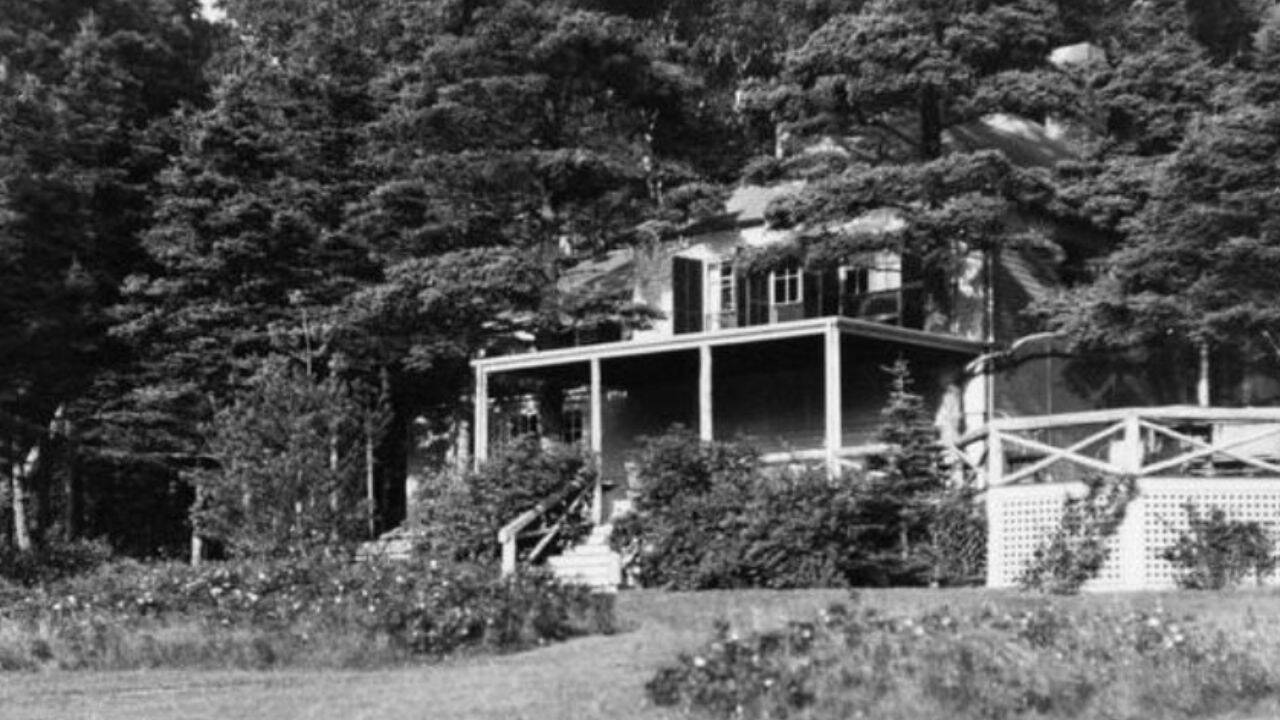
The family’s summer property was commonly known as “Satterlee Field”. (NPS photo)
The story of Satterlee Field
Although J P Morgan purchased the land in 1900, the transaction was not formally completed until 1910 because of title issues.Before the property eventually became part of the Satterlee family’s estate, the family already had a connection with Acadia National Park because large sections of park land bordered Satterlee Field. The Satterlees also allowed park visitors to explore Sand Beach while the land was still associated with the family.
The family’s time at the summer estate came to an end after the deaths of Louisa and Herbert. Louisa died in October 1946, while Herbert died in July 1947.A few months later, the area was hit by the October Fire of 1947. Much of the Satterlee estate was destroyed in the fire. After the fire, the family’s connection to the land changed. Eleanor and Mabel decided to donate the property so that other people could continue to visit and enjoy the landscape that had been important to their family.
How family estate became public land
Eleanor Morgan Satterlee, Louisa and Herbert’s daughter and J P Morgan’s granddaughter, inherited the tract after her parents died. By the late 1940s, Eleanor’s health had also begun to decline.These circumstances, along with the damage caused by the 1947 fire, led Eleanor to donate the land to Acadia National Park in 1949. The donation included the area around Great Head, including Sand Beach.The National Park Service records that Eleanor donated approximately 100 acres to the United States in memory of her mother, Louisa P Satterlee.A bronze plaque near the top of the staircase leading down to Sand Beach marks the donation. It carries the following inscription- “Satterlee Field, of approximately 100 acres, was donated in 1949 by Eleanor Morgan Satterlee to the United States of America in memory of her mother, Louisa P. Satterlee, as part of Acadia National Park.”
The area can now be explored by visitors through the Great Head Trail. (Noah Lang photography)
The landscape today
The property includes the sandy beach reached by a staircase, along with the distant stretch of land known as the Headlands. The National Park Service describes the coastline using the shape of a body, with the coastline forming the 'shoulders' and the projecting land forming the 'head'.The area can now be explored by visitors through the Great Head Trail. The same combination of beach, forest, mountains and coastline that the Satterlee family knew remains part of the visitor experience at Acadia.
KioskNews shows a cleaned-up reading view extracted from the publisher’s page — the original always lives on their site, not ours.