In historic first, some Golan Druze, now new citizens, plan to vote in national election
BUQ’ATA — Lively Arabic music drifted out of the windows of the local high school on a recent afternoon as the student body held council elections in this Druze town on Israel’s Syrian border. The symbolism was hard to miss: The school’s polling station is located directly above the local municipal council, where adults will cast their votes in Israel’s national elections next week.
Buq’ata residents once shunned Israeli elections and saw them as taboo. Numbering around 25,000, the Druze of Buq’ata, as well as the three other neighboring communities of Majdal Shams, Mas’ade and Ein Qiniyye, were steadfast in their allegiance to Syria and resisted integrating into Israel since the Golan Heights were conquered in 1967 and effectively annexed in 1981.
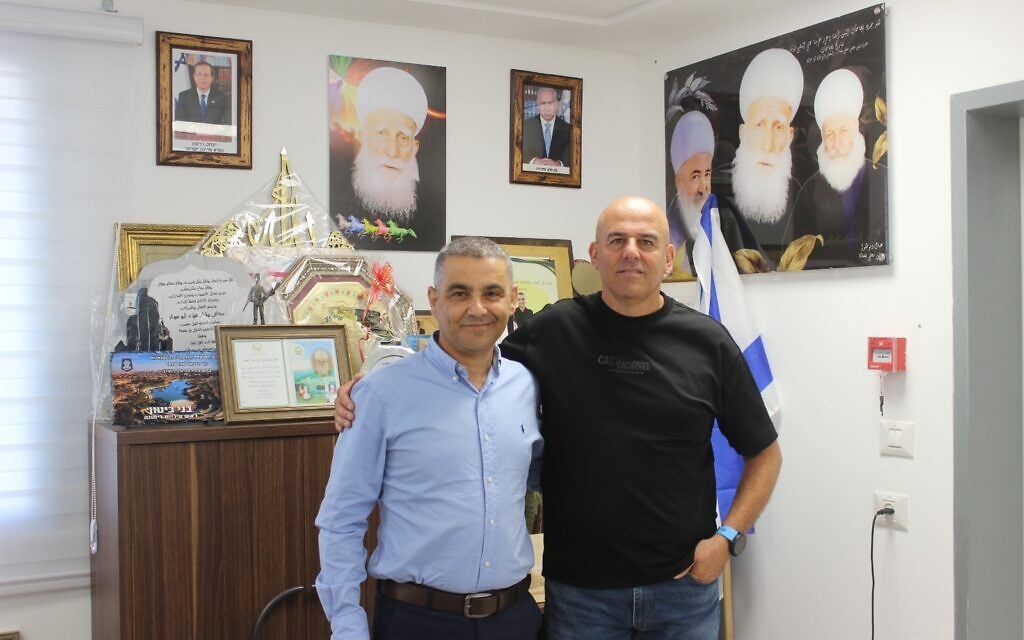
“But all that changed after the July 2025 massacre of over 2,000 Druze in Sweida, Syria,” Buq’ata Mayor William Abu Awad told The Times of Israel from his office, where photographs of Druze holy sheikhs, President Isaac Herzog and Prime Minister Benjamin Netanyahu hung alongside an Israeli flag.
0:00 / 0:00
Promoted: JPPI, Rabbi Sharon Brous

Awad explained that only Israeli citizens can vote in national elections. But the vast majority of Druze in the Golan have historically spurned Israeli citizenship, instead opting for permanent residency, which provides full health care, education, and legal status.
Since the attacks on Druze by forces loyal to Syria’s current president, Ahmed al-Sharaa, however, “Israeli citizenship applications have soared from 12% to nearly 60%,” Awad said.
Get The Times of Israel's Daily Edition by email and never miss our top stories
By signing up, you agree to the terms
Elections are no longer boycotted, he said, adding that he expects some 300 to 500 of the town’s 7,000 residents to vote in the upcoming national elections. In comparison, fewer than 75 people in Buq’ata cast their ballots in the 2022 national elections.
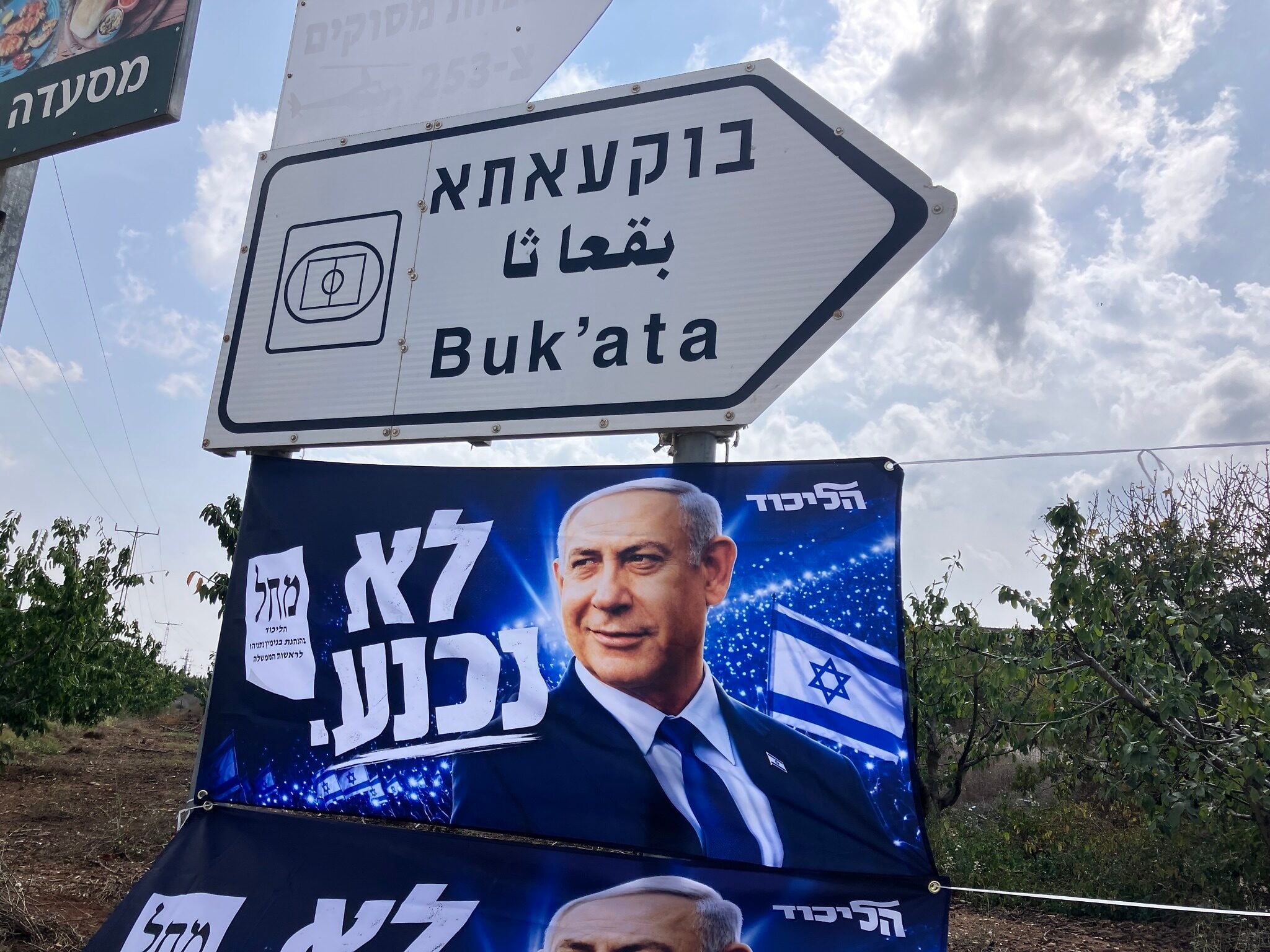
Unlike in 2022, campaign signs now hang at most intersections and in village squares across the sprawling town, and locals debate the merits of the different parties and candidates.
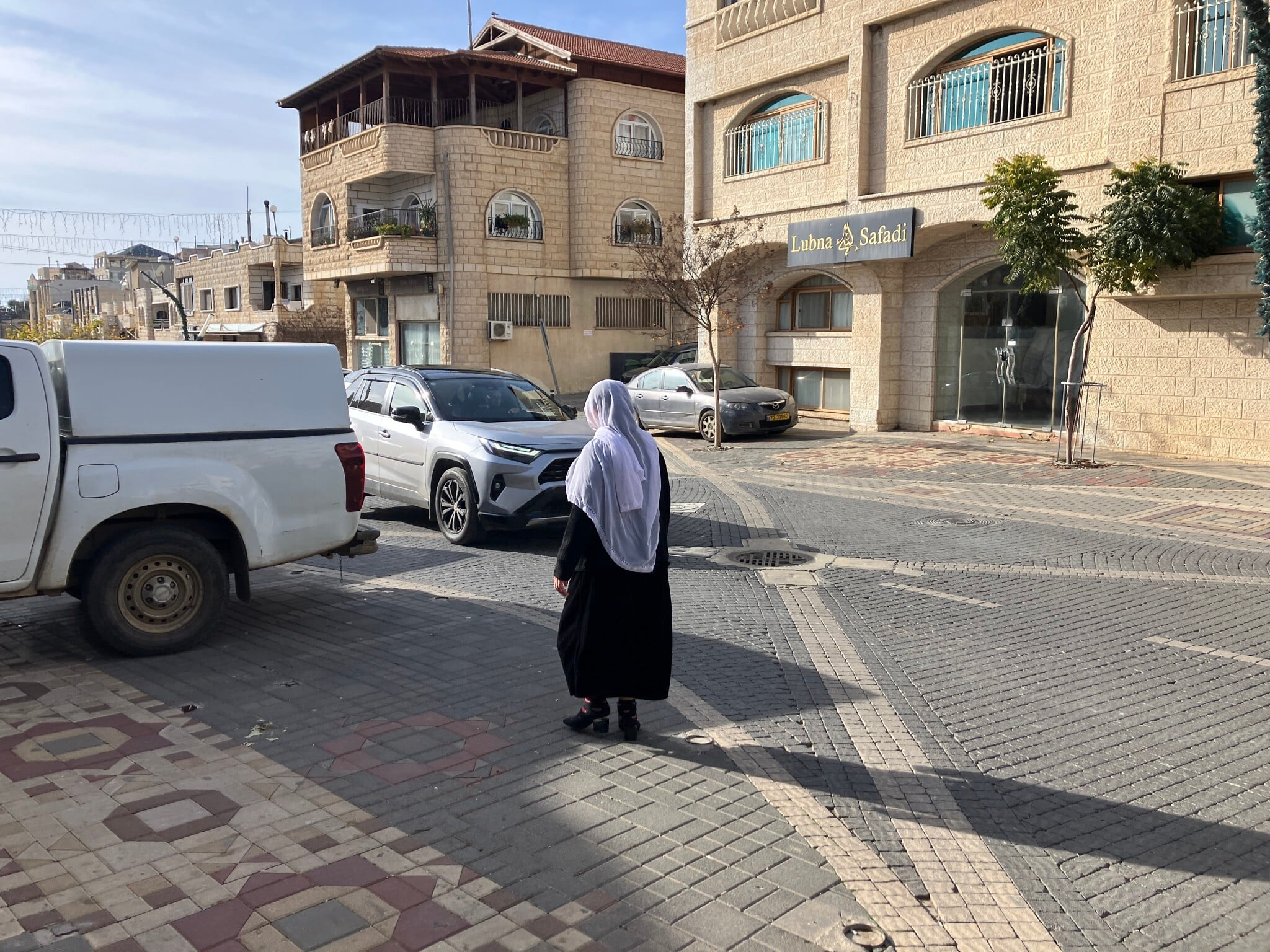
Buq’ata is the easternmost Druze community, sitting just two kilometers (1.2 miles) from the Syrian border. Residents still foremost consider themselves Druze, but old ties to Syria are severing.
Locals’ nascent political leanings may also come as a surprise. Awad predicted that most residents will vote for the right-wing Likud party.
“Why Likud? Because people want to express gratitude to Bibi because he got involved and helped the Druze in Sweida,” Awad said, using Netanyahu’s nickname.
Candidates who have stumped in Buq’ata include Hamad Amar, a Druze Knesset member on Avigdor Liberman’s Yisrael Beytenu list, as well as representatives from Ofer Winter’s People of Israel party — both of which fall on Israel’s political right — and Gadi Eisenkot’s centrist Yashar party.
Awad noted that the Arab-led Joint List has not sought local voters.
“People want representatives who include Druze candidates on their party slates,” Awad noted.
“We emphasize to people that it is their right as citizens to vote, and to vote for whichever party they prefer,” said Awad, a lawyer and Buq’ata’s first directly elected mayor since 2024. He explained that until then, the Interior Ministry appointed mayors in the Golan Druze towns.
Stepping into Awad’s office, Salman Owida, the municipality’s director general, voiced concern that regional security tensions might force the elections to be postponed.
“I hope the elections happen,” he said.
‘We can’t depend on Syria’
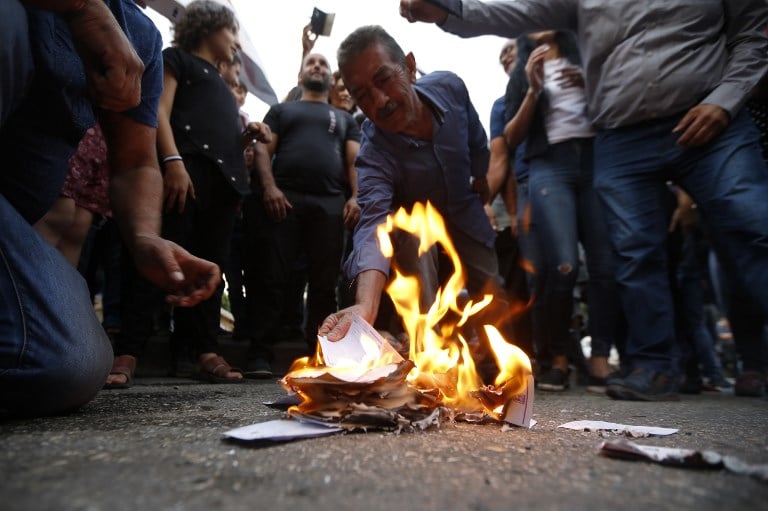
“It used to be that anyone who applied for Israeli citizenship was put in herem [social ostracism],” Gohina Alkalanai, who works in Buq’ata’s business licensing department, told The Times of Israel. “They weren’t invited to local weddings. The prevailing narrative among the Golan Druze was that the area was occupied land and at some point, we’d return to Syrian sovereignty. But after Sweida, we realized we can’t depend on Syria.”
The Druze, a mystical sect that broke away from Shiite Islam in the 11th century, are thought to number approximately 1 million worldwide, with most living in Syria, Lebanon, Turkey, Jordan and Israel. The Galilee is home to some 150,000 Druze who, in contrast to the Golan Druze, have long pledged fealty to Israel, including participating in military service.
Followers keep many tenets of their religion a secret, but they view Abraham, Moses, Jesus, and Mohammed as prophets. The religion does not accept converts and eschews national self-determination, with communities remaining loyal to the country where they live.
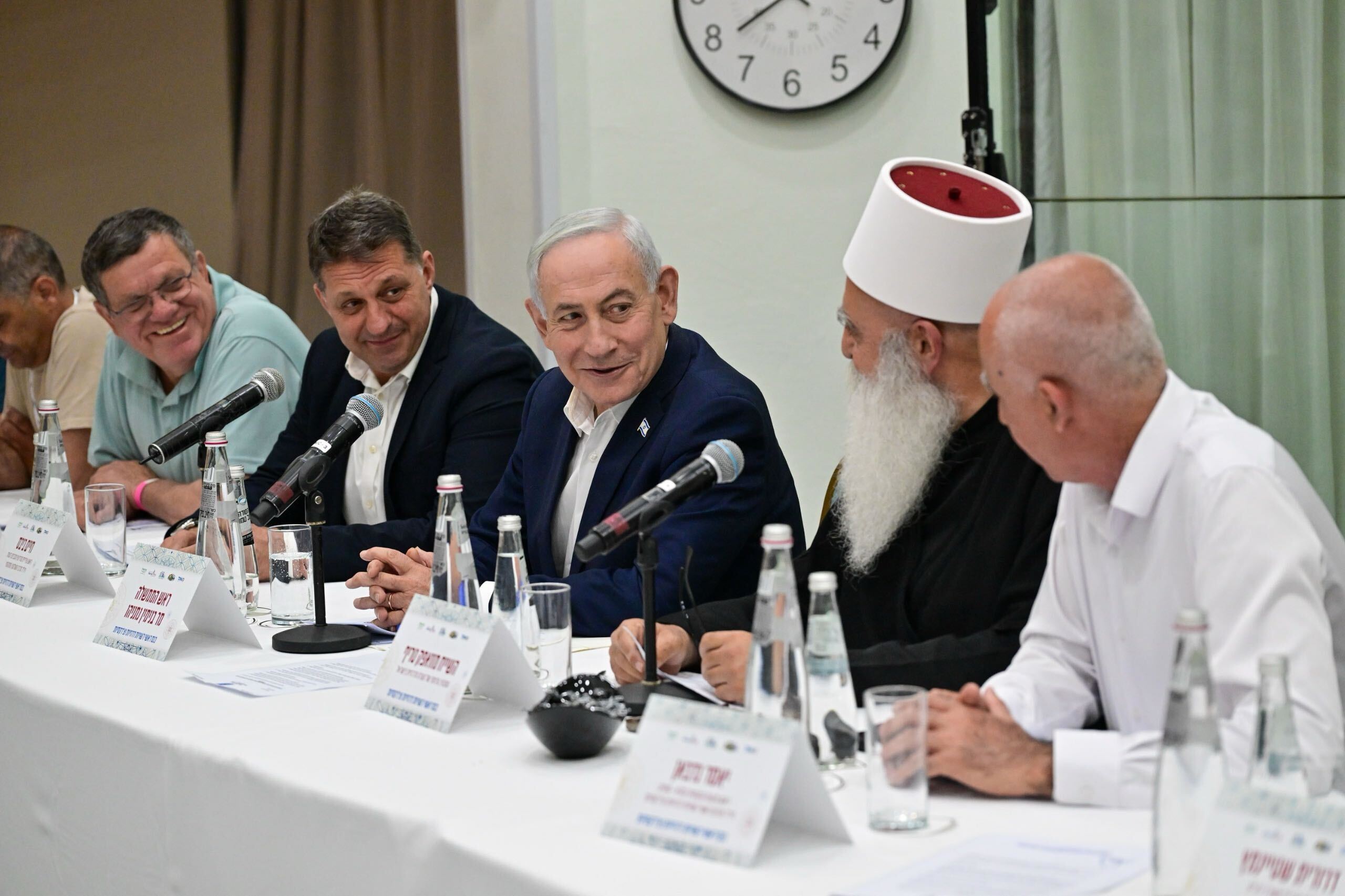
Despite supporting former president Bashar al-Assad throughout most of the Syrian civil war, Druze were initially hopeful following his overthrow by Sharaa.
The head of a rebel group formerly linked to al-Qaeda, Sharaa swept through Syria in a matter of days in late 2024, prompting Assad to flee to Moscow and ushering in a new era for the war-torn state.
The stunning ouster came shortly after Israel agreed to halt fighting in neighboring Lebanon, which had significantly weakened the Hezbollah terror organization. The heavily armed Iran-backed proxy group’s support had helped keep Assad in power over 13 years of civil war.
Israeli officials initially regarded Sharaa warily, given his extremist ties.
Druze in the Golan, however, said they felt a sense of renewed pride in their Syrian identity in the wake of Assad’s fall, especially after Sharaa pledged to respect Syria’s minorities. Celebrations broke out in some of the Druze towns, with people saying they were optimistic about the change.

But relations between Syrian Druze, who make up about 3% of the country’s population, and the Islamists now in power broke down swiftly. Armed fighting broke out in southern Syria’s Sweida province between Druze locals and Bedouin clans. Although Sharaa sent forces into the area, ostensibly to quell the clashes, they effectively sided with the clans, carrying out mass slayings in what locals now refer to as “the Druze October 7.”
More than 2,000 people were killed over several days, including 789 Druze civilians, according to the Syrian Observatory for Human Rights monitor. A committee formed by the Syrian government said it had documented the killing of 1,760 people.

The massacres sparked fierce outrage from Druze in Israel, whose leaders urged the government to involve itself in the fighting to protect their Syrian brethren.
Israel responded by launching airstrikes on southern Syria and Damascus with the stated aim of forcing the withdrawal of forces that attacked Druze civilians.
Naturalized Israelis
The events across the border caused a spike in requests among Golan’s Druze residents for Israeli citizenship, with 3,750 people applying in 2025. As of March 2026, roughly 40% of the Druze living in the four Golan towns were naturalized Israeli citizens, according to Interior Ministry data.
Alkanalai became an Israeli citizen two years ago and plans to vote for the first time in the upcoming national election. However, she remains undecided on which party will earn her vote.
“I want someone who can convince me that politicians genuinely care about the people, especially minority communities living in the northern periphery,” Alkanalai said. “While parties like Shas cater to their Haredi religious base, I am looking for a candidate who will invest in our local education and rebuild our tourism industry.”
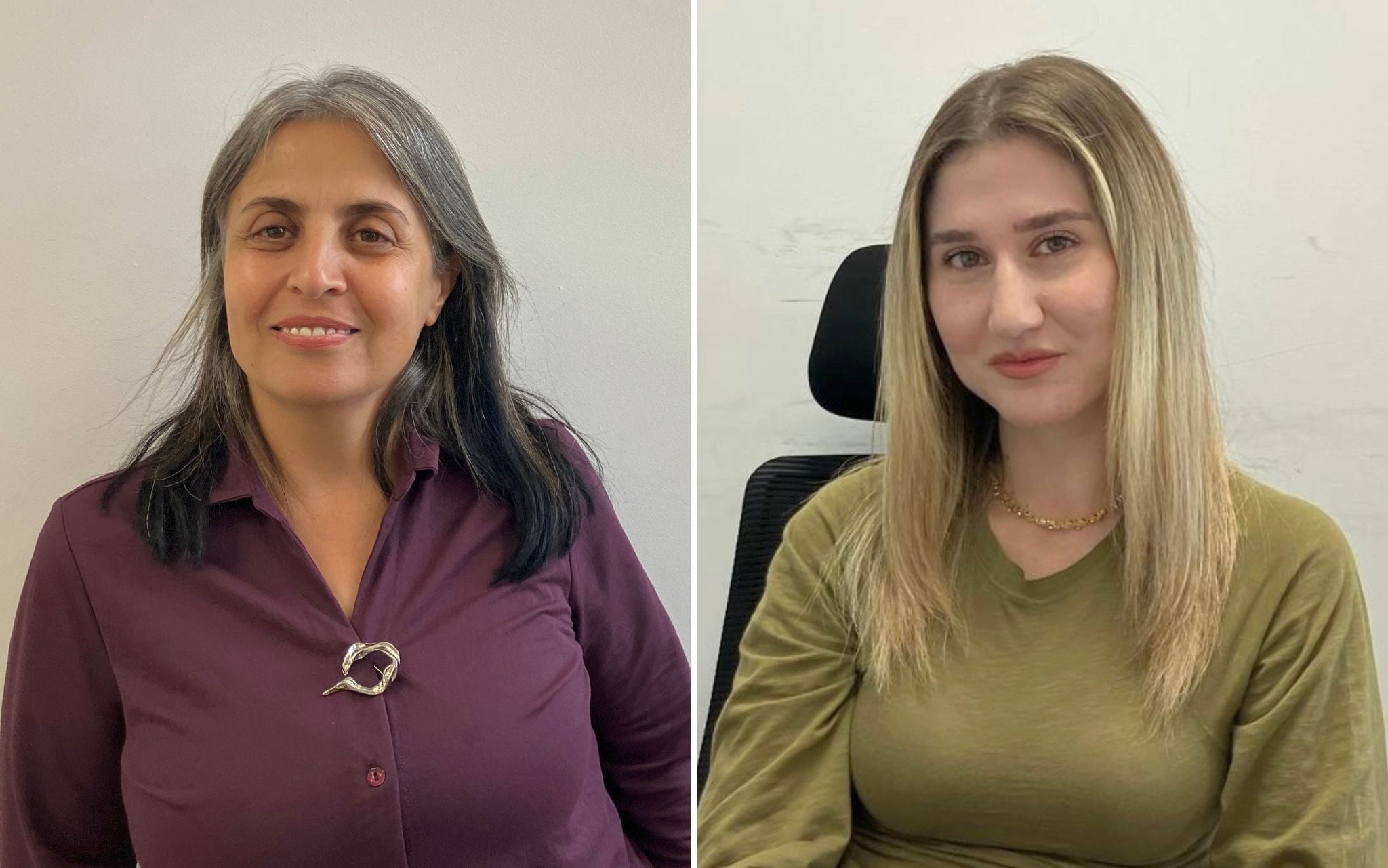
Hezbollah declared war on October 8, 2023, when it began firing rockets, missiles and drones at Israel in solidarity with fellow terror group Hamas after the bloody invasion of southern Israel the day before.
A fragile ceasefire went into effect in November 2024. Before it did, in July of that year, Hezbollah fired a rocket at a soccer field in Majdal Shams that killed 12 Druze children. That event has left residents reeling.
“The war also ruined tourism here, and so many small businesses had to shut down,” Alkanalai lamented. “We have to do everything we can to bring economic life back. Politicians are going to have to convince us that they will actually do what they promise.”
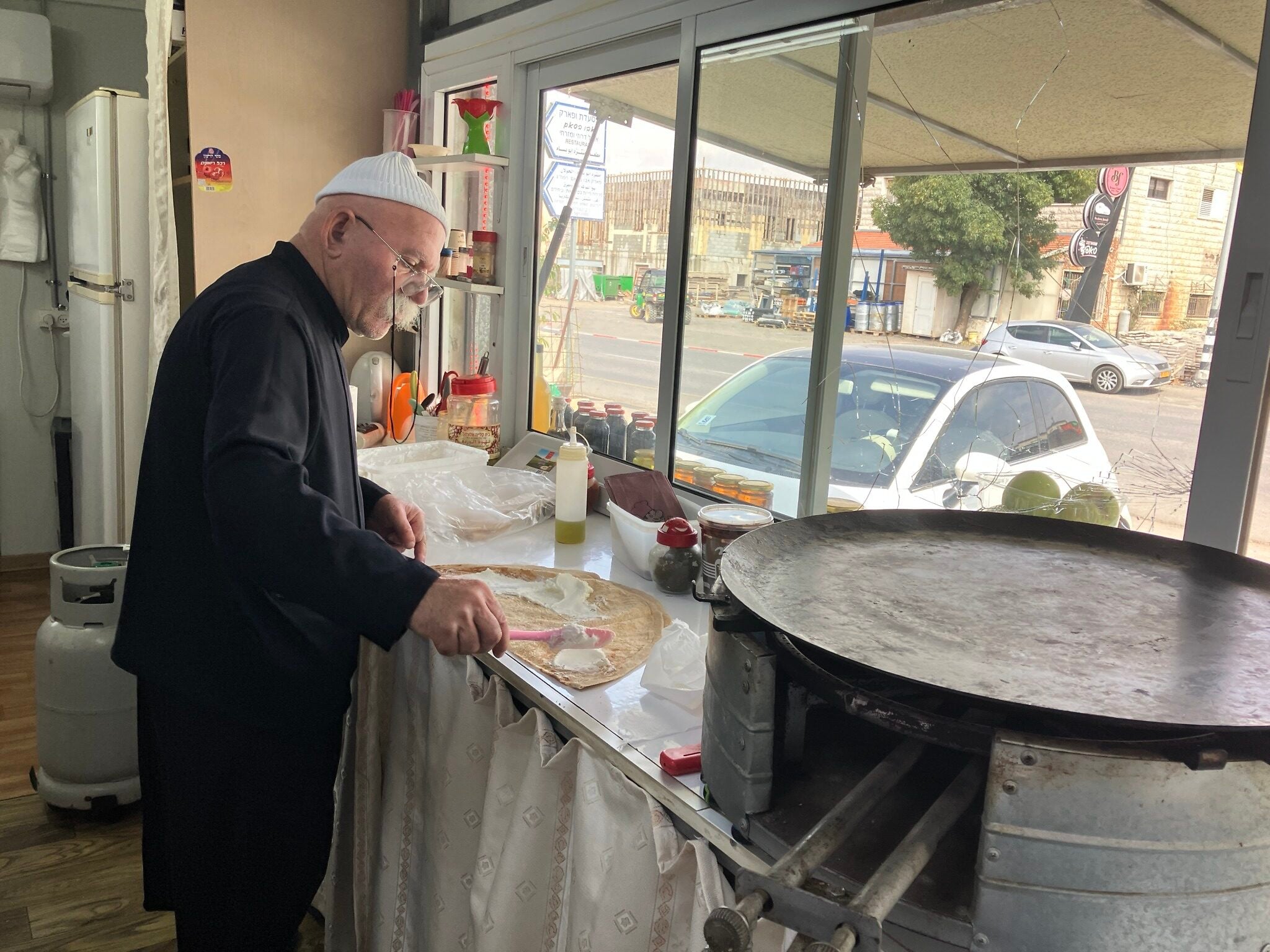
Israeli citizenship is now part of Golan’s Druze identity
The issue of Israeli or Syrian identity isn’t as divisive as it once was to many residents, said four twenty-something women who work in Buq’ata’s social welfare department. Speaking in fluent Hebrew, they represented the diverse views locals have toward naturalization. One said she and her husband have not yet filled out citizenship applications out of respect for her father-in-law, who opposes it, while the others have all become naturalized citizens.
“I’m excited to vote,” said Seba Abu Shibly.
“Who are you going to vote for?” asked her co-worker, Aya Amashe.
“I’m not telling,” Shibly replied.
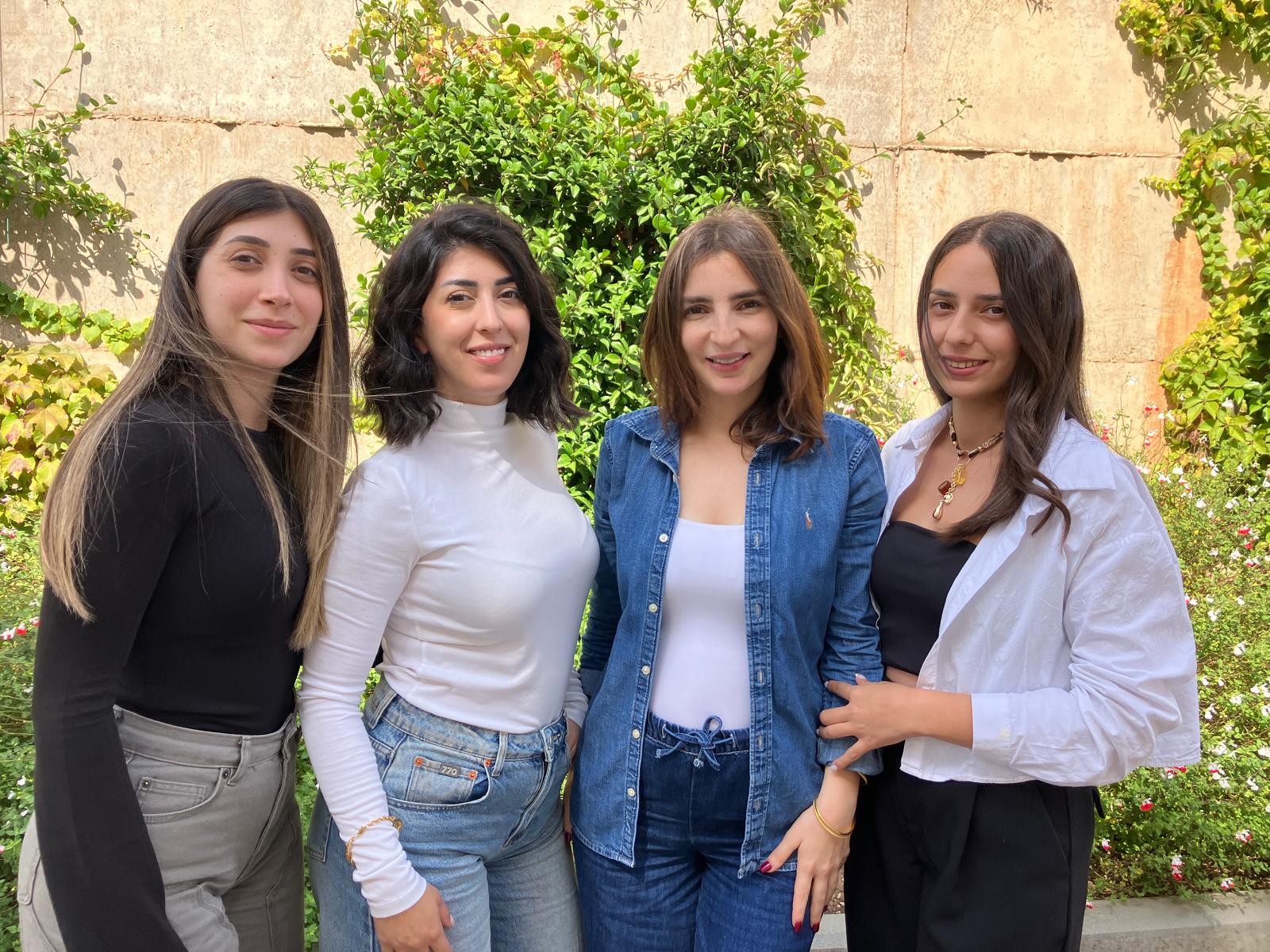
For 24-year-old Lana Abu Shaheen (no relation to Lila Abu Shaheen), who applied for citizenship a year ago, the decision to become an Israeli citizen was rooted in establishing a clear identity for her son, now 2 years old.
“Why should he carry a travel document that lists his status as undefined?” Abu Shaheen mused out loud. “When we were younger, we were taught that Israel took us from Syria, but now we see that this is our home. We have friends in Tel Aviv and Haifa. This is the country that wants us, and we belong here.”
Abu Shaheen, who graduated from Tel-Hai University of Kiryat Shmona in the Galilee, stressed that “Israel isn’t doing the Druze a favor because the Druze give a lot back to Israel.”
Initially, Abu Shaheen hesitated to apply out of respect for her father, who held deep ties to his Syrian heritage. But after seeing his family take the step, he eventually applied as well.
When asked who she would vote for, she said she was uncertain.
“I would love to have Bibi because he did something good for the Druze in Syria, but I want him to be with a leftist coalition,” she said, voicing her opposition to the prime minister’s outgoing coalition partners, far-right Finance Minister Bezalel Smotrich and National Security Minister Itamar Ben Gvir, who, she said, promote discrimination against non-Jewish citizens.
“I have never personally felt discrimination here, but I want equality,” she said. “We want to stand up against our enemies and show them that Druze, Christians, Muslims, and Jews all live here together in peace. The Druze speak Arabic, and we are a minority, but we are an inseparable part of this country.”
KioskNews shows a cleaned-up reading view extracted from the publisher’s page — the original always lives on their site, not ours.