India’s opposition marches on Supreme Court as ‘cockroach’ protests gain ground
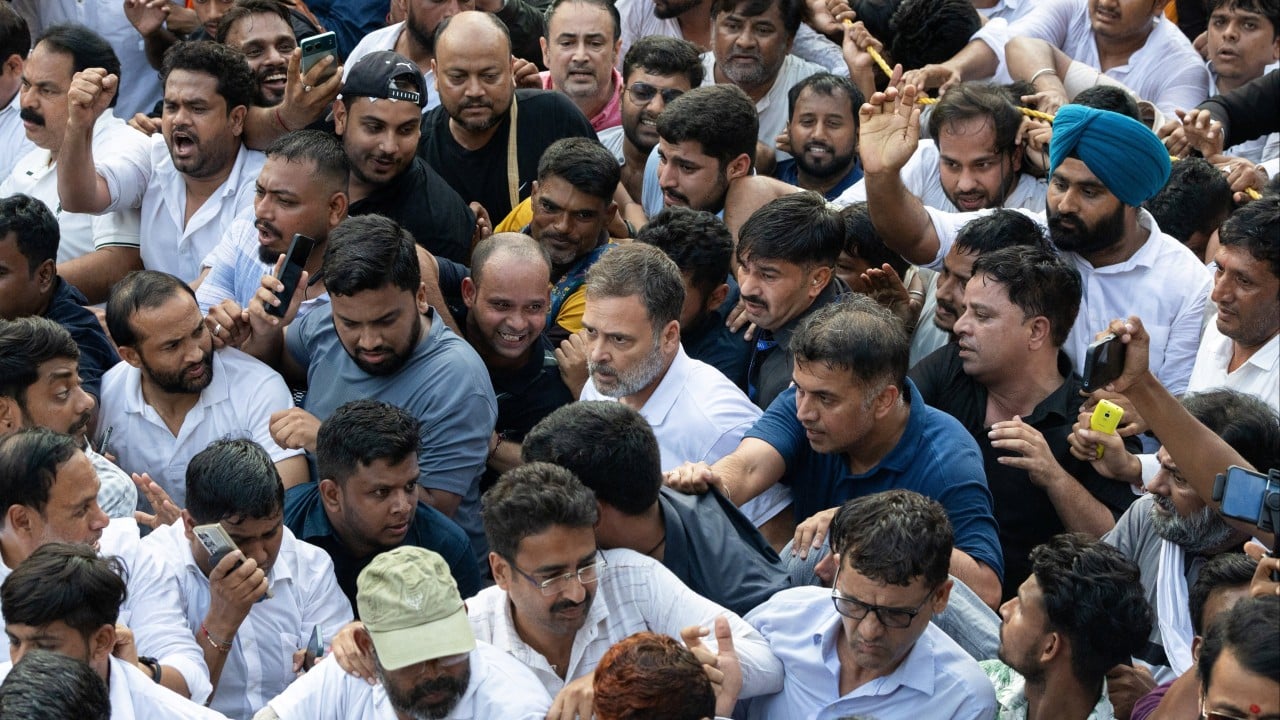
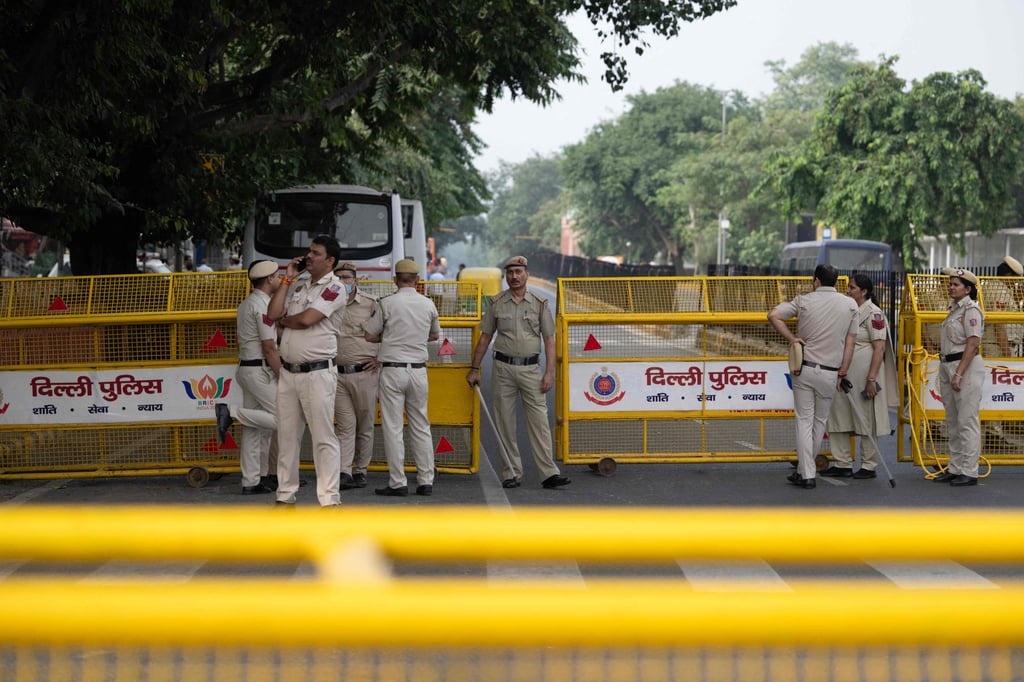
Indian opposition leaders and student activists marched on the Supreme Court on Monday to demand the resignation of the country’s election chief over alleged voter roll manipulation, as authorities erected heavy barricades and shut six metro stations across New Delhi.
The rally went ahead after the Chief Justice of India turned down a meeting request from an opposition delegation, urging them instead to file a formal petition.
Mainstream opposition parties have sought to harness a groundswell of public anger generated by the youth-led Cockroach Janta Party (CJP), which has spearheaded weeks of protests against alleged electoral roll manipulation.
Tensions boiled over during the weekend when Delhi police detained dozens of student activists and blocked planned rallies, handing the opposition fresh political momentum for Monday’s march.
Among those held was CJP founder Abhijeet Dipke, who was picked up by police on Saturday ahead of a demonstration that authorities said lacked official clearance due to law-and-order concerns. Dipke was released the following day alongside other activists.
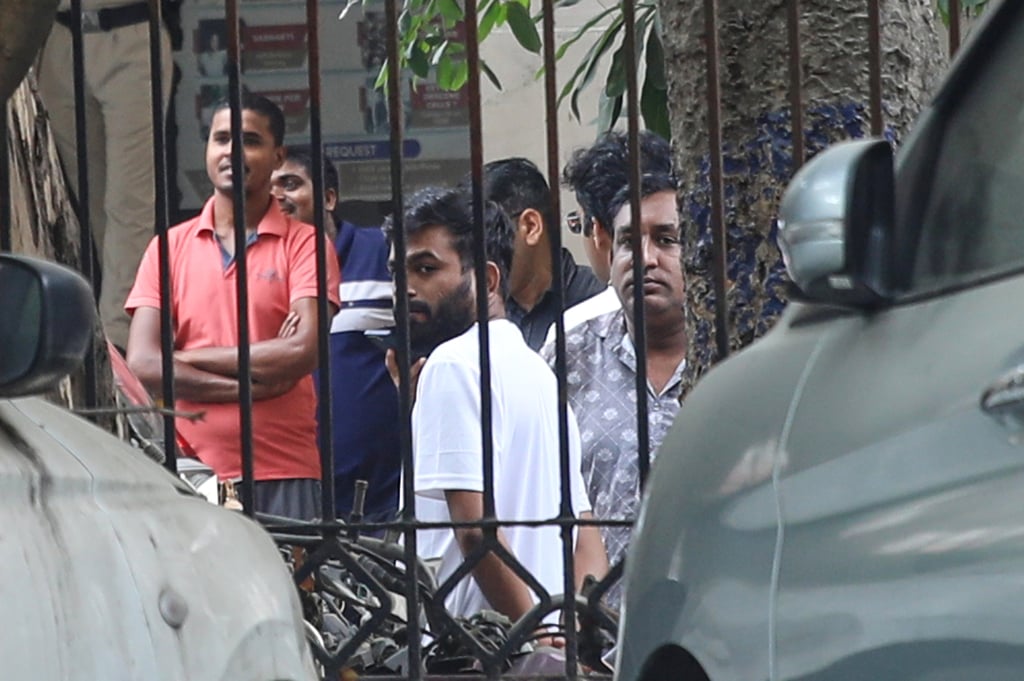
The CJP was founded in May after India’s chief justice Chief Justice Surya Kant referred to people with fake or bogus degrees as “cockroaches”, remarks widely interpreted as a swipe at young Indians facing problems with education and employment.
Embracing the slight, Dipke launched the group as a satirical online platform that quickly morphed into a formidable street-level movement.
Although Dipke has repeatedly said the CJP is not a registered political party – describing it as a Gen Z-led pressure movement aimed at strengthening democracy – its growing momentum has led observers to speculate it could eventually enter electoral politics.
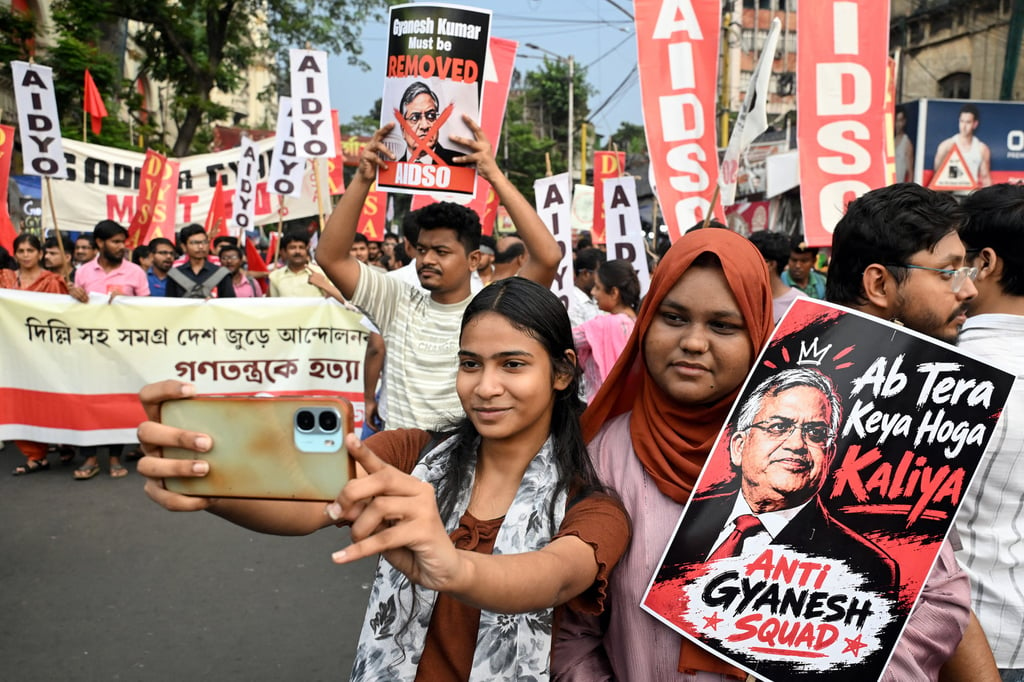
Opposition parties and student supporters have taken to the streets almost daily this month, demanding Chief Election Commissioner Gyanesh Kumar’s resignation over a recent electoral roll update known as the Special Intensive Revision. Critics and opposition leaders say the process led to the deletion of around 130 million names from draft rolls, alleging that millions of genuine voters were wrongly removed to benefit the ruling party.
The Election Commission has strongly denied the allegations, defending the removals as a routine clean-up of deceased, relocated and duplicate registrations.
In response to the weekend crackdown, the Supreme Court ruled on Sunday that peaceful, unarmed protesters in Delhi could not be detained except in accordance with legal procedures. The court also directed authorities to ensure metro and railway services operated normally – a directive swiftly tested on Monday when police closed six stations citing security concerns ahead of the march.
Local media reports said Rahul Gandhi, leader of the multiparty INDIA opposition alliance, had filed a petition in the Supreme Court against Kumar over alleged “vote theft”.
Nilanjan Mukhopadhyay, an independent political commentator, said clamping down on the protests could prove counterproductive for the Bharatiya Janata Party-led (BJP) federal coalition government.
“It seems the government has not been able to come up with any counterstrategy,” Mukhopadhyay said. “They are creating a certain public mood. There is a strong possibility that the CJP could take to the electoral path.”
Parallel demonstrations have broken out in major cities like Mumbai, Bengaluru and Kolkata, alongside reports of police detentions across Uttar Pradesh, Maharashtra and West Bengal.
“The movement is escalating and becoming far more widespread than initially thought,” said Kingshuk Nag, an author and political commentator. “It is led by students and their line of thinking is unconventional. Now, opposition parties have jumped into the fray.”
Nag added that while the BJP was adept at countering the main opposition Congress party, it would need a new playbook to handle student leaders. He drew comparisons to Arvind Kejriwal, founder of the Aam Aadmi Party (AAP), who launched his political career following a major 2011 anti-corruption movement. Nag said the CJP could potentially become a comparable – or even larger – political force.
However, other analysts urge caution regarding the movement’s long-term impact.
Praveen Rai, a political analyst at the Centre for the Study of Developing Societies, pointed out that Congress previously ran a campaign centred on allegations of vote theft during state elections in West Bengal without gaining traction.
“The ongoing street protest by Congress is a manifestation of deep political frustration arising out of several electoral defeats,” Rai said, adding that the demand for the election chief’s resignation was “politically immature” and lacked credible evidence.
Nonetheless, Rai said the youth movement had galvanised the opposition to demand administrative accountability. “CJP can play an important role as a stakeholder. Elected governments tend to lose momentum and start taking things for granted if there are no active opposition parties or pressure groups.”
While India’s history has seen youth-led protests capable of toppling governments – such as the 1990 student movement over caste reservations that destabilised the VP Singh administration – Prime Minister Narendra Modi’s government does not appear to be in immediate danger. The next general election is not due until 2029.
However, elections in key states including Uttar Pradesh, Gujarat and Punjab will offer an early test of whether this youth-driven momentum can pose a genuine threat to the BJP’s dominance.
KioskNews shows a cleaned-up reading view extracted from the publisher’s page — the original always lives on their site, not ours.