‘I’m really not here to give gyaan’: Shefali Shah on her new memoir
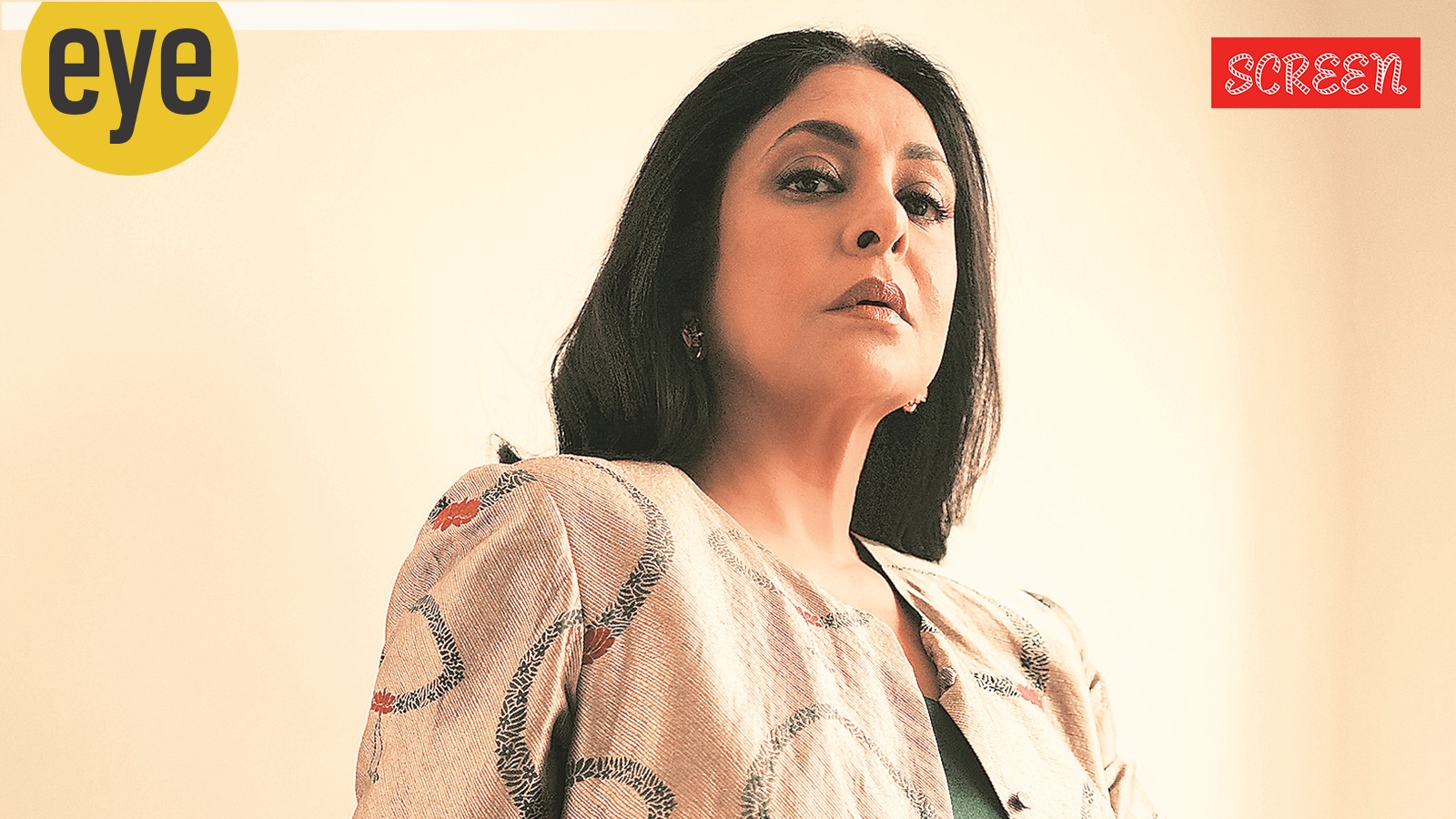
In her debut book, The Audacity of Being: A Sort of Memoir (Bloomsbury), actor Shefali Shah, 53, revisits her life and career with an unusual willingness to laugh at her mistakes, acknowledge failures and examine how certain projects have shaped her. The Delhi Crime actor says that instead of a carefully curated version of herself. This is an honest, self-deprecating account of an actor, who over three decades, has continued to evolve.
Even though you have not given a chronological account of your life in The Audacity of Being, we still get to know about the evolution of a person and an actor.
What I was five years earlier, I’m not the same anymore. Everyone evolves, right? My working career is 30 years and I am older than that. There is a movement, there is a flow of things. So, if I have evolved, whether for the good or the bad, that is what it comes across (in the book). However, it was not a conscious thought of, “Oh, I’m going to show what progress I have made”. In fact, I talk a lot about my mistakes. I have also laughed at myself.
You talk about your mistakes, failures or fears. Did you want your readers to take away something from there?
I am figuring out my own life on a day-to-day basis. What works for me may not work for someone else. If they can think there is something in the book that makes them think, or which they can relate to, it means that at least somebody has a chance to read it. What I wanted it to be was honest, self-deprecating almost. I wanted the book to be funny, witty and an easy read. I’m really not here to give gyaan.
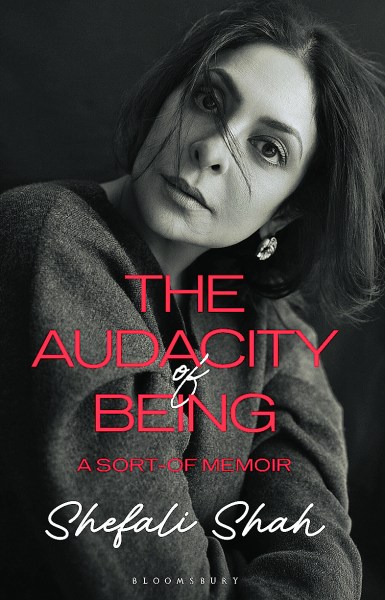 The Audacity of Being is written by Shefali Shah. (Radhika Mehra)
You have played several interesting characters. What makes Vartika in Delhi Crime (2019) special?
Delhi Crime is precious to me. There was no other way of approaching Vartika apart from making her absolutely raw and authentic. Honestly, in all my films, the aim has been to make the character real. Director Richie Mehta knew this was not a fictional story and the treatment had to be real. That was clear when I went out and essayed it. The audience sees Vartika as a real person. I’d rather be remembered as Vartika, or as Shamshu (in Darlings) rather than people saying that ‘Shefali performed this part well’. It’s more commendable when they forget that there’s an actor playing the character.
Story continues below this ad
You’ve said that mothers remember you for Hasratein (1996) and daughters compliment you for Delhi Crime.
I’m glad I’m still relevant. One can do one thing which is phenomenal, and then spend the rest of your life just harping about that. Whether it’s a failure or success, I can’t hold on to that. I get bored very easily. I have to move on. So, it feels amazing that if a grandmother, a mother and a teenage daughter can relate to and feel that my work is relevant. It’s easy to become redundant in today’s time.
Also Read – India’s Oscar strategy needs a rethink. Selection should be driven by vision, not ‘Indianness’
Do you think we are writing better roles now for women, and women of certain ages today?
Story continues below this ad
Of course, we are. But, if you look at the ’60s and the ’70s, there were beautiful films with such amazing parts written for women. For example, Anupama (1966), Amar Prem (1972), Aandhi (1975) and others. Then it went into a phase where there was a lot of fluff. It was about a woman looking beautiful, she had to dance, and she needed to be protected. Luckily, it’s different now.
When you played mother to Akshay Kumar in Waqt: The Race Against Time (2005), it became a talking point.
Waqt played a big part in how my career panned out. It also affected my career. It would be stupid not to accept that.
The Audacity of Being is a sort of memoir, not a definitive autobiography. You could have easily skipped the chapter about your first marriage, but you have chosen to talk about it. Why?
Story continues below this ad
Well, my first marriage is no secret. I think I’ve written about it respectfully. I’m talking about a marriage falling apart. So it’s about the failure of a relationship. Such a thing can probably happen even between best friends. It’s just that when you get married, your idea is of a happily-ever-after. That may not necessarily pan out the way you imagined. Then, you have no option but to deal with it.
KioskNews shows a cleaned-up reading view extracted from the publisher’s page — the original always lives on their site, not ours.