29 Years Ago, HBO’s Forgotten 56-Episode Crime Thriller Officially Started A New Era For Television

Cathal Gunning has been writing about movies, television, culture, and politics online and in print since 2017. He worked as a Senior Editor in Adbusters Media Foundation from 2018-2019 and wrote for WhatCulture in early 2020. He has been a Senior Features Writer for ScreenRant since 2020.
While HBO’s iconic 1997 prison drama predates many of the shows that defined the Second Golden Age of Television, the series rarely receives the attention it deserves in retrospectives on the medium. There has always been great TV, since the inception of the medium. As early as the ‘60s, shows like CBS’s The Twilight Zone were experimenting with the boundaries of network TV storytelling, pushing the medium in bold new directions.
That said, there is a reason that the late ‘90s and 2000s are often dubbed the Second Golden Age of Television by scholars of the medium. From ABC’s seminal sci-fi series Lost to HBO’s mob drama The Sopranos, this era saw both cable and network TV expand the boundaries of what was considered accessible storytelling. However, while Six Feet Under, Sex in the City, Band of Brothers, The Wire, Friday Night Lights, The West Wing, The Shield, and Mad Men are often credited with spearheading this revolution, one show that predates all of them deserves more credit.
Long before The Wire begat The Expanse with its polyphonic, immersive vision of a Dickensian crime drama, the prison-set series Oz explored the lives of Oswald State Correctional Facility’s inmates. Created by Homicide: Life on the Street’s Tom Fontana, Oz took advantage of the looser censorship regulations of cable television to offer a more brutal and intense crime tragedy than that early police procedural could ever manage. However, this show shouldn’t be mistaken for a pointlessly macho gore-fest like Taylor Sheridan’s later prison drama Mayor of Kingstown.
Oz Pioneered HBO’s Golden Era Of Prestige Drama With Adult Themes

With frequent moments of horrifying gang violence and visceral assault and abuse, along with constant graphic depictions of addiction, Oz was not a show for the faint of heart. However, the show was as thoughtful and perceptive as it was vicious and unrelenting, and the horrors of prison life didn’t stop the series from finding the humanity in its flawed protagonists.
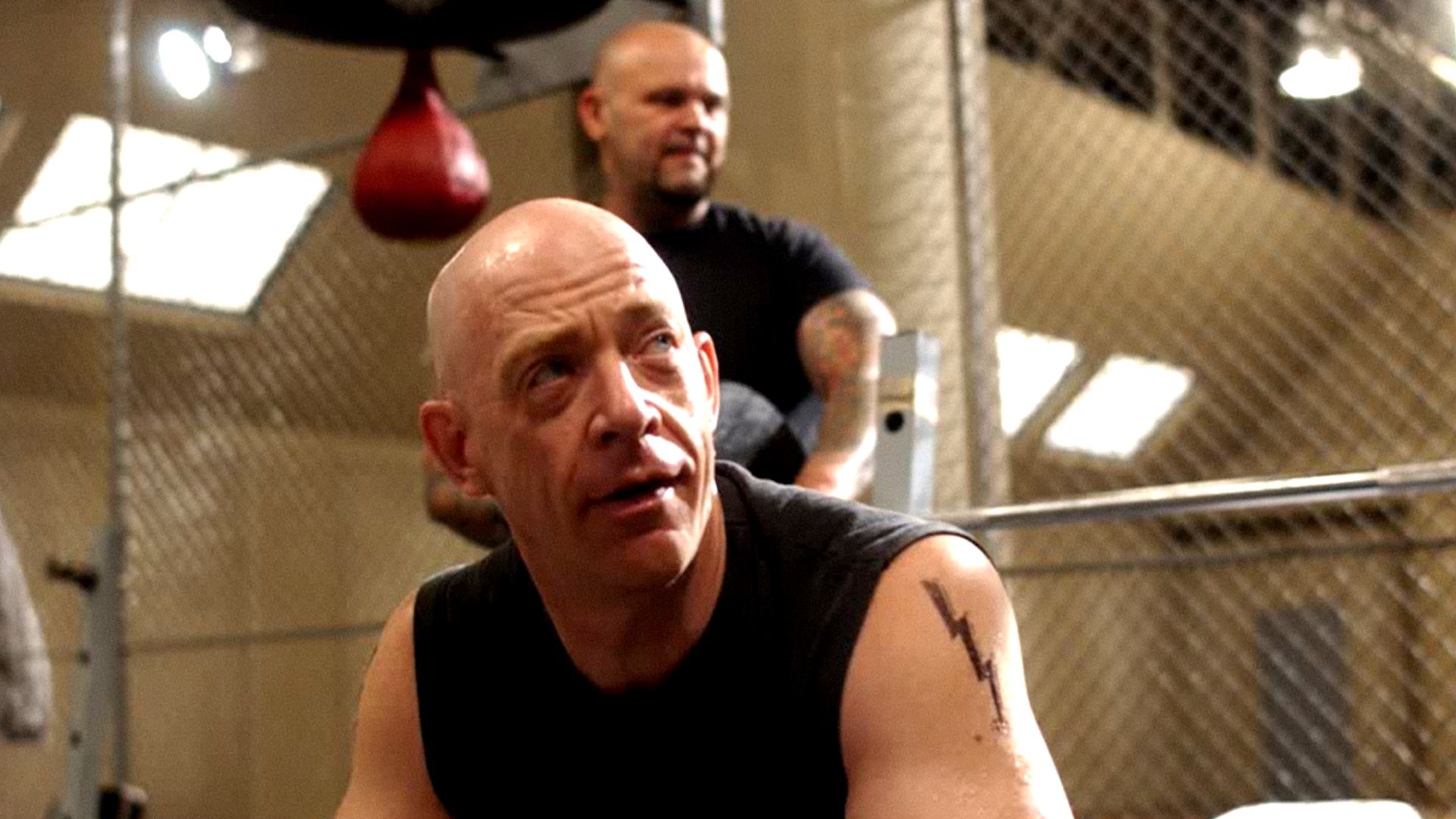
Some, like JK Simmons’s infamously terrifying Schillinger, were as close to irredeemable as any TV character ever written, but still had layers of nuance that ensured they felt more credible and human than most small-screen villains. Others, like Lee Tergesen’s Beecher, were troubled but unexpectedly relatable. This balance paved the way for Breaking Bad, Ozark, and other prestige dramas that focused on villainous lead characters and found the unlikely complexity underneath their misdeeds.
More broadly, Oz began HBO’s trend of primetime shows featuring adult content with high product values, laying the foundations for prestige drama as a genre more broadly. Without the cable network taking a chance on an incredibly violent, downbeat series set almost entirely in a nightmarish prison, HBO would never have been emboldened to produce The Corner, which begat The Wire, or The Shield, which laid the groundwork for We Own This City, Show Me a Hero, and many more classics.
3 Decades Later, Oz Is Still One Of TV’s Best Prison Dramas

More recently, HBO’s hit medical drama The Pitt, with its unapologetically grim tone and constant mounting tension, calls the mind Oz as much as its obvious predecessor, E.R. Almost three decades after the Shakespearean tragedy debuted, the bloody fingerprints of Oz can still be found all over modern television, in its depictions of complicated antiheroes and their unlikely redemptions, its willingness to plumb the depths of human depravity, and its movie-tier production values.
Besides Orange Is the New Black, Oz is probably the best prison drama ever made, and there’s even an argument to be made that the earlier HBO show is superior to Netflix’s later streaming hit. Both shows lost their grip on their storylines later in their runs, growing increasingly silly and far-fetched, but where Orange Is the New Black always had its proverbial tongue planted firmly in cheek, Oz was originally a sobering, savage drama.
KioskNews shows a cleaned-up reading view extracted from the publisher’s page — the original always lives on their site, not ours.