10 Great Horror Movies Where The Villain Wins
Horror audiences are conditioned to expect a final victory. No matter how terrifying the monster, how ruthless the killer, or how overwhelming the supernatural threat, there is usually some hope that the protagonists can fight back and survive. Even when horror movies end on an ambiguous note, viewers often look for signs that evil has been defeated by the Final Girl or at least contained.
The genre becomes far more unsettling when that expectation is completely shattered. Some of horror's greatest films build toward endings where the heroes fail, the evil plan succeeds, or the antagonist walks away having achieved exactly what they wanted. These conclusions linger long after the credits roll because they deny the audience the catharsis that typically comes with seeing justice served.
A villain's victory can take many forms. Sometimes it arrives through a shocking twist that recontextualizes everything that came before. In other cases, the outcome feels inevitable, with the protagonists slowly realizing they were doomed from the start.
Elsewhere, cults complete their sacrifices, demons secure new hosts, and seemingly unstoppable killers simply refuse to stay dead. These are horror movies where the final moments matter enormously. Rather than restoring order, their endings confirm that evil has prevailed.
Saw (2004)

While later sequels transformed Jigsaw into a larger-than-life horror icon, James Wan's original Saw presents him as an almost omniscient mastermind whose victims never truly stand a chance.
Saw initially appears to be a battle of wills between Dr. Lawrence Gordon and Adam Stanheight, two strangers chained at opposite ends of a filthy bathroom by an unseen villain. In the jaw-dropping final moments, the man supposedly dead between them slowly stands up and reveals himself to be Jigsaw. He simply walks out, leaving Adam locked in the bathroom.
Saw’s ending reveals that every apparent advantage the protagonists believed they had was part of the plan. The final "Game Over" is one of the most chilling finales and villain victories, instantly reframing the entire movie. After spending Saw trapped and desperate, the protagonists never come close to outsmarting their tormentor.
The Omen (1976)

Richard Donner's The Omen builds toward Robert Thorn's horrifying discovery that his adopted son Damien is the Antichrist. After investigating the boy's origins, Thorn learns that Damien is connected to a satanic conspiracy and eventually decides that killing him may be the only way to prevent catastrophe.
Robert’s attempt fails when police shoot Thorn before he can plunge a ceremonial knife into the child's chest. There is no explosive finale or dramatic battle between good and evil. Instead, the forces attempting to stop Damien fail completely, allowing him to continue toward his terrifying destiny.
The Omen's final image is particularly chilling. Damien stands beside his new guardian, the United States president, and he turns toward the camera and smiles. It suggests that evil itself is looking through the screen at the audience, flaunting its victory and declaring that it’s not going anywhere.
The Blair Witch Project (1999)

The Blair Witch Project’s terrifying ending helped establish the found footage genre. Heather, Mike, and Josh enter the forest intending to investigate the local legend. After they become separated, Heather and Mike eventually find an abandoned house.
In the basement, Heather sees Mike standing silently in the corner, facing the wall. The image deliberately echoes the earlier story of Rustin Parr, who supposedly forced children to face the wall while he murdered others. Vitaly, The Blair Witch never shows the monster, forcing audiences to imagine a threat far more frightening than anything their budget could provide.
That absence is precisely why the ending works so well. The characters spend the entire movie trying to understand what is hunting them, but they never gain enough knowledge to fight back. Instead, they become completely overwhelmed by an unseen force operating according to rules they cannot comprehend.
Final Destination (2000)

Death itself is the villain in Final Destination, and unlike a conventional slasher, it cannot be confronted or killed. Alex Browning's premonition allows him and several classmates to escape before a plane explodes, but their survival merely disrupts the order in which Death intended to claim them.
Alex tries desperately to understand the pattern and save the remaining survivors. He seemingly succeeds, until months later when the survivors are killed by a giant neon sign in Paris.
By turning Death into the antagonist, Final Destination creates a fundamentally unbeatable enemy. The characters are fighting an invisible force that governs the natural order. No matter how clever the survivors become, they are operating inside an unavoidable fact of existence.
Jeepers Creepers (2001)
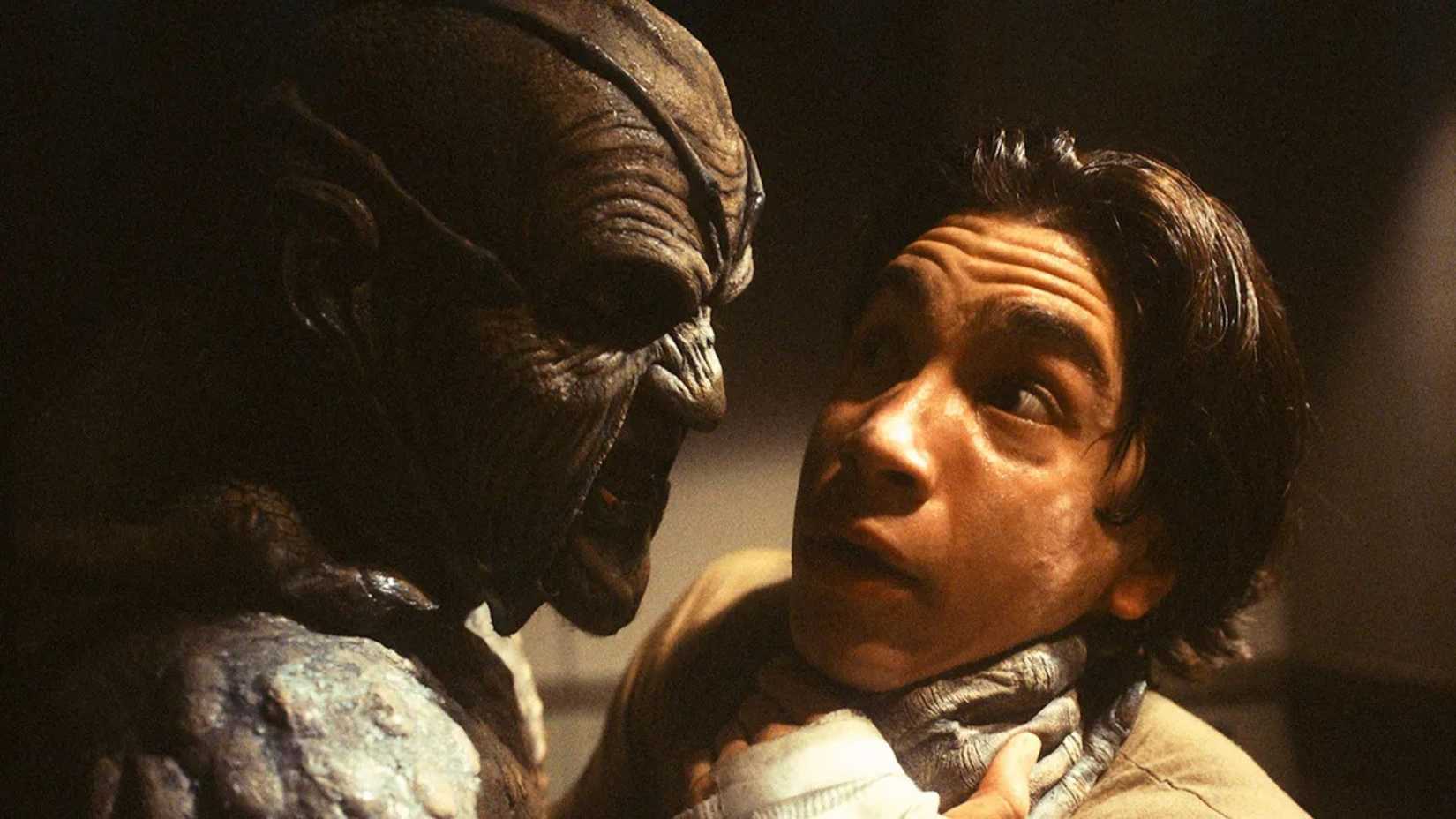
For much of Jeepers Creepers, the Creeper is seen only inside a sinister truck, before eventually revealing an ancient creature that awakens every 23 years to feed on humans. Darry and Trish Jenner spend the second half desperately trying to escape it.
After Darry is captured, Trish is collected by her parents, seemingly giving a sliver of hope. However, the final scene reveals Darry's mutilated body, his eyes removed by the Creeper. The final use of the song "Jeepers Creepers" turns the sequence into a deliberately cruel punchline.
The Creeper is one of the most distinctive movie monsters of the 2000s because it feels genuinely unstoppable. Unlike many horror villains who are eventually weakened or outmaneuvered, the creature demonstrates complete dominance over its victims. Horror often suggests that courage, sacrifice, or persistence will eventually lead to victory, but Jeepers Creepers rejects that idea entirely.
The Wicker Man (1973)

Sergeant Neil Howie's investigation on Summerisle appears to be a straightforward missing-person case, but Robin Hardy's The Wicker Man gradually reveals that the island's pagan community has manipulated him from the moment he arrives. Lord Summerisle reveals that Howie is a sacrifice, and he is placed inside the giant wicker effigy and burned alive while the islanders sing.
The Wicker Man is one of folk horror's defining masterpieces because its villainous victory feels inevitable in retrospect. It cleverly disguises its true story until the final act, encouraging viewers to interpret events through the same assumptions as Sergeant Howie.
Once the truth is revealed, however, every strange interaction suddenly takes on a different meaning. Rather than witnessing a battle between opposing forces, audiences realize they have been watching a carefully orchestrated plan unfold exactly as intended.
Rosemary's Baby (1968)

Rosemary's Baby is especially disturbing because the villains don't defeat Rosemary physically. They manipulate the people closest to her until she has almost nowhere left to turn. Rosemary eventually discovers that her neighbors are members of a Satanic coven and that her baby was fathered by Satan himself.
Rosemary's Baby refuses to settle for a simple triumph of evil and instead explores how personal relationships, social expectations, and maternal instincts intersect with the supernatural horror at its center. The villains achieve everything they set out to accomplish, and the movie's final moments are so deeply unsettling because that success is presented as something unexpectedly human.
The sedate group simply toasts Satan. The ultimate triumph of evil is that Rosemary appears psychologically broken down to accept a role in raising the Antichrist.
Terrifier (2016)

Art the Clown's apparent death at the end of Terrifier is one of the film's nastiest tricks. After massacring multiple victims, Art attacks Victoria Heyes. The police arrive before he can finish the job, prompting Art to put a gun in his mouth and seemingly kill himself.
That should end the threat. Instead, the police take Art's corpse to the morgue, where he suddenly reanimates and attacks the medical officer. Unlike many modern slasher villains, Art operates with a gleeful cruelty that makes him simultaneously horrifying and darkly comedic.
Terrifier is structured almost entirely around his relentless campaign of violence, and it never pretends that the protagonists have much chance of stopping him. Rather than providing a satisfying defeat or even a temporary setback, Terrifier reinforces the idea that Art is something far more frightening than an ordinary serial killer.
House Of 1000 Corpses (2003)

Rob Zombie's House of 1000 Corpses is barely interested in pretending that its protagonists have a chance of escaping the Firefly family. After Jerry, Denise, Mary, and Bill become victims of the sadistic clan, the surviving characters are dragged deeper into Dr. Satan's underground world.
After surviving, Denise reaches the road and is picked up by Captain Spaulding, with Otis Firefly hidden in the back seat. Zombie intentionally undermines audience expectations by teasing the possibility of escape before revealing that the protagonists remain trapped.
Every apparent step toward freedom ultimately serves the villains rather than the heroes. That bleakness became a defining feature of Zombie's early filmmaking style. By refusing to provide a conventional victory, House of 1000 Corpses leaves viewers with one final gut-punch after offering a glimmer of hope amid the grueling, torturous narrative.
Hereditary (2018)

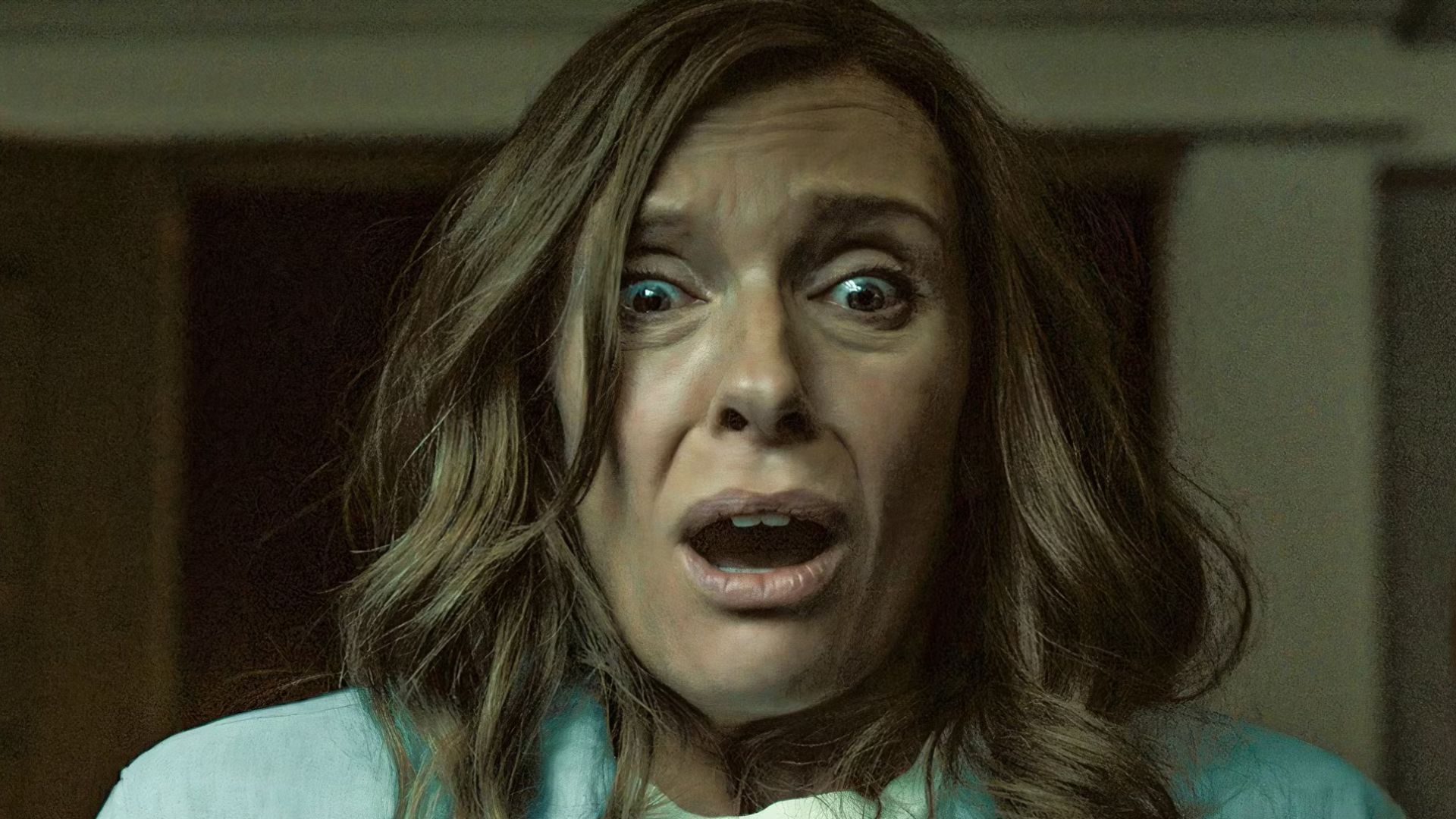
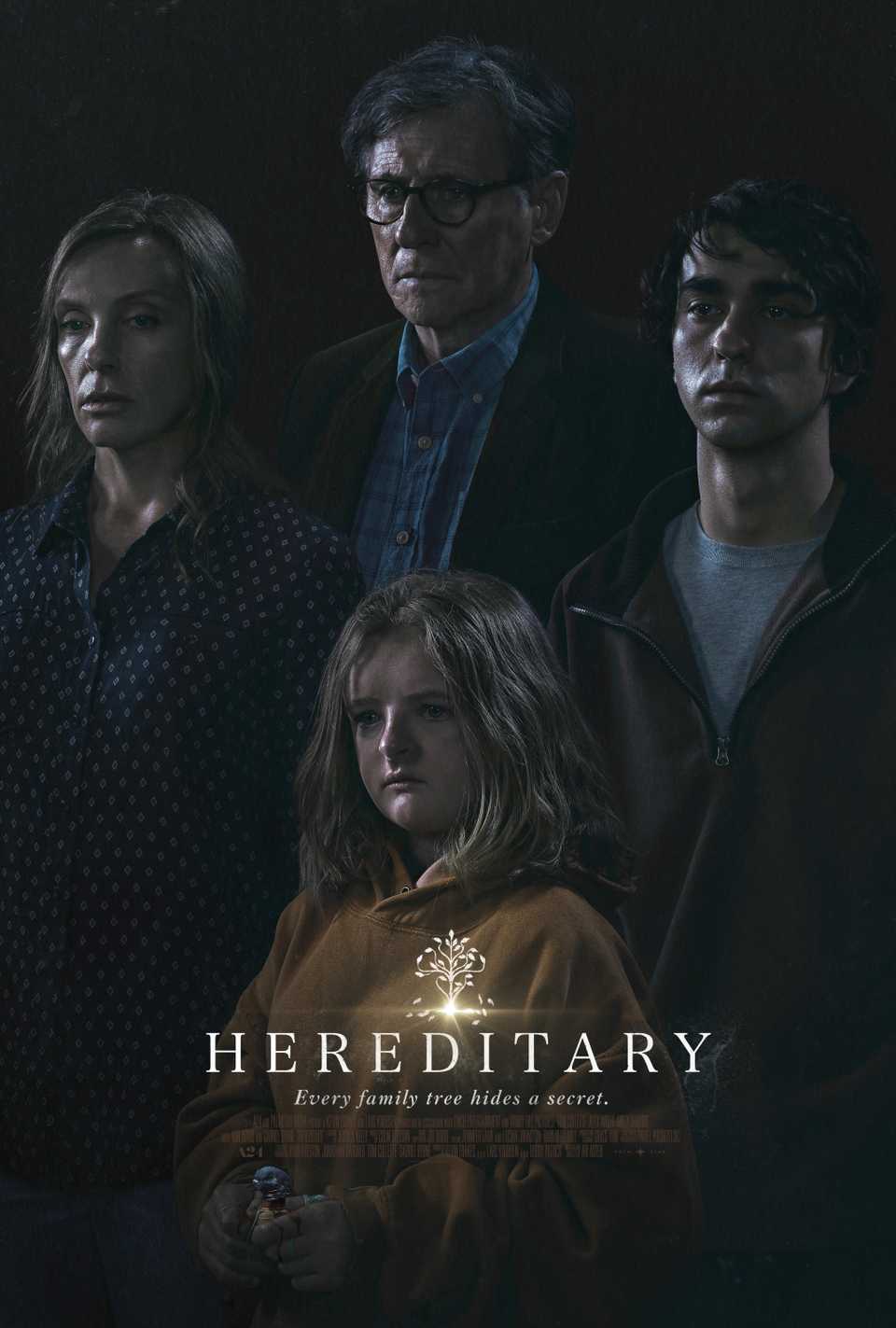
Few modern horror movies make the villain's victory as comprehensive as Hereditary. The Graham family believes that its tragedies are connected to grief, mental illness, and generational dysfunction, but Annie eventually discovers that her mother, Ellen, was involved with a cult devoted to the demon Paimon.
The cult ultimately succeeds in its plan to place Paimon inside Peter, whereupon it's revealed that the Grahams are caught within a conspiracy that predates them and extends far beyond their understanding. It transforms Hereditary from a family tragedy into something far more terrifying and inescapable.
Every attempt made to regain control has only pushed events closer to the cult's desired outcome. By the time the truth became clear, the battle has already been lost, leaving the horror to celebrate a victory that was years in the making.
KioskNews shows a cleaned-up reading view extracted from the publisher’s page — the original always lives on their site, not ours.