As missiles fly over Saudi capital, images remain surprisingly rare
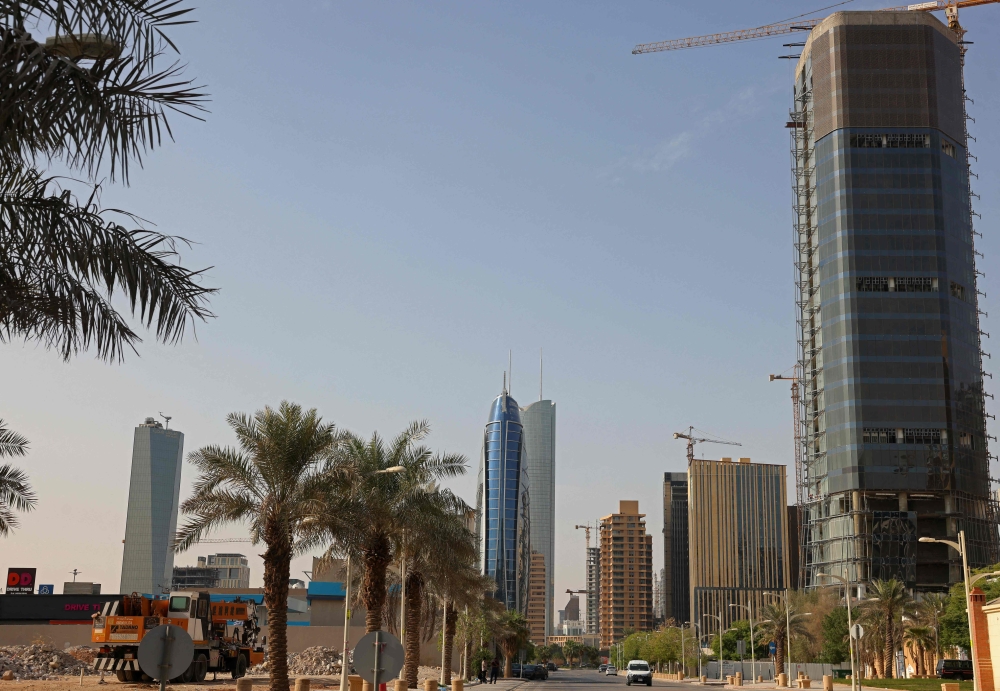

Cars drive past city skyscrapers in Riyadh. Residents in the Saudi Arabian city have largely refrained from filming missile and drone attacks amid government warnings of legal action. — AFP pic
First Published: Friday, 16 Oct 2026 7:00 AM MYT
RIYADH, Oct 16 — Mobile phones buzzed across central Riyadh with warnings of a “hostile aerial attack”, followed moments later by explosions and the sight of white plumes from interceptor missiles streaking across the night sky.
Yet, most residents have refrained from pulling out their phones to film such scenes, showing unusual restraint in a country where people routinely document and share everyday moments online.
Strict government warnings about filming those incidents appear to be working in the kingdom, with little footage or photos of strikes or air defences being posted.
Saudi Arabia has faced near-daily missile and drone attacks by Iran-backed Houthi fighters for more than 10 days.
The deadliest struck Riyadh airport on Saturday, killing 13 people and wounding 300 others in the worst attack on the kingdom in more than a decade.
In central Riyadh this week, foreign labourers yelled and pointed at the sky as interceptor missiles flew overhead, an AFP journalist saw, while many Saudis nearby remained stoic.
“It was a tense and frightening situation. We heard the explosions and saw the missiles on the horizon,” a witness who asked not to be named because of the sensitivity of the issue told AFP.
“It was a frightening moment that does not happen often, but it did not occur to me to film it because of the instructions,” he added quietly.
In Saudi Arabia, where over 60 per cent of residents are under the age of 30, apps such as Snapchat, TikTok and X have long been popular.
The kingdom’s interior ministry has repeatedly warned residents against filming and publishing images of drones, missiles, air defence interceptors and the impacts of barrages.
“Filming, publishing or sharing information related to countering missiles and drones and their impact sites exposes you to legal liability,” read frequent messages from the ministry shared online.
Five people were injured earlier this week after debris from interceptor missiles fell over the capital, according to civil defence authorities.
But beyond images released by the authorities, photographs of the incidents have not been widely circulated online.
Meanwhile, other Saudi social media users have swarmed online platforms, slamming news organisations and journalists who publish reports they consider damaging to the kingdom.
Residents have also joined in the campaign by flagging incidents and informing authorities of foreign residents that may be harbouring sympathies with the Houthis.
‘We are being cautious’
Washington said this week that US citizens had been detained in Saudi Arabia after taking photographs of incidents involving attacks, without giving details on how many had been detained or whether they remained in custody.
Foreign residents have also told AFP that people they knew had been arrested after taking photographs or videos and posting them online.
In the capital’s gleaming new metro, the simultaneous buzzing from warning messages sent to mobile phones triggered visible anxiety among some passengers on Sunday evening, according to an AFP correspondent.
But despite the tension, no one spoke or attempted to discuss the ongoing attack with other commuters.
“Yes, we are being cautious,” said one resident, who spoke on the condition of anonymity.
“Of course we discuss what is happening because it affects our daily lives, but we do so in a low voice. We know that talking about these issues right now causes problems.”
For weeks, most Houthi strikes have targeted infrastructure on the outskirts of the capital or Riyadh airport.
But in recent days people in Riyadh are now hearing powerful explosions that sound much closer to the city centre.
The capital’s chronic traffic congestion has also appeared noticeably lighter this week, as remote learning was introduced in all schools and some companies ordered employees to work from home.
At the same time, life has gone on, with some restaurants and shopping centres still packed with customers.
“We hear and obey the leadership,” Saudi national and photography enthusiast Naif told AFP while showing off his new iPhone.
“If they say no filming, we will not raise our phone cameras.” — AFP
KioskNews shows a cleaned-up reading view extracted from the publisher’s page — the original always lives on their site, not ours.