New strategic plan aims to combat fuel crises
Biofuels made from domestic agricultural sources a priority to reduce imported oil reliance
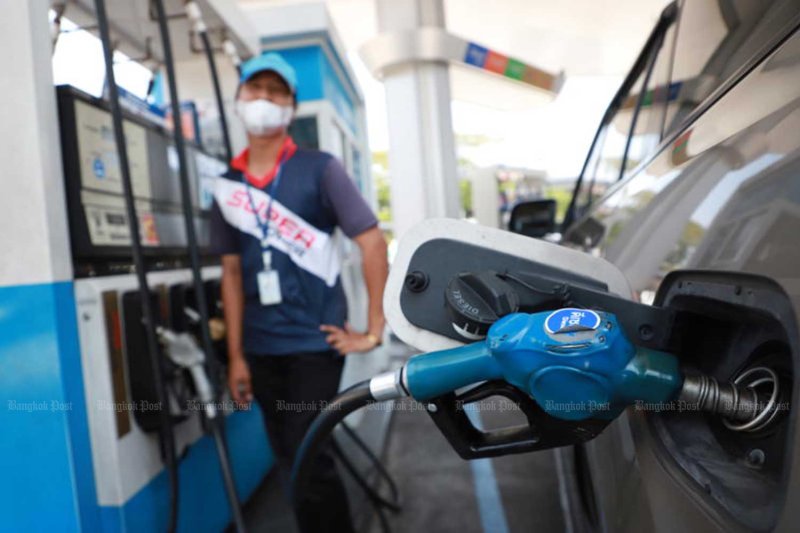
The cabinet has endorsed a strategic plan for the Oil Fuel Fund and a fuel crisis response plan covering 2026-29 with wider use of biofuels made from domestic raw materials to help deal with volatility in global energy markets.
The transition to fuels blended with biofuels is a priority, as are measures to stabilise fuel prices during crises, deputy government spokeswoman Lalida Persvivatana said on Tuesday.
The goal is to provide the tools to manage energy supplies according to changing circumstances and make greater use of energy sources produced domestically, she said.
The fuel crisis response plan sets out how the Oil Fuel Fund will be used to stabilise prices and reduce the impact of energy price volatility on the public.
Management of the fund must take into account its financial position and liquidity, as well as the country’s long-term energy security, Ms Lalida said.
The fund currently subsidises diesel B7 at 8.75 baht per litre and B20 at 12.62 baht. It is running a deficit of 92 billion baht, with total support for domestic energy prices expected to approach 110 billion.
Ms Lalida said biofuels are considered one of the tools to foster energy security because they can be made from domestic agricultural raw materials and blended with fuel to partly replace imported oil.
“Thailand needs to increase its ability to rely on domestic energy sources amid volatility in the global energy market,” she said.
Oil fund borrowing
In a related development, the Oil Fuel Fund Office (OFFO) is considering a new borrowing programme of up to 100 billion baht as its financial position deteriorates.
The fund’s deficit, now at 92 billion baht, is widening by around 700 million baht a day, said a source at the Ministry of Energy, asking not to be named. At the current rate, the deficit could reach 100 billion baht by late September or early October.
The deteriorating position remains a concern even though global oil prices have started to ease. The decline has not been sufficient to restore the fund’s liquidity, which remains under severe pressure after months of supporting domestic fuel prices.
“The 20 billion baht borrowed previously has already been used to repay existing debts,” the source said. “If the next loan is intended to cover the liabilities, the borrowing ceiling could reach 100 billion baht, although the actual funds would probably be drawn down gradually.”
The other option to ease cash-flow pressure on the fund is to gradually reduce fuel-price subsidies. However, this could raise pump prices and increase the burden on consumers.
The previous 20-billion-baht loan came from two domestic commercial banks, each contributing 10 billion baht. The entire amount has now been used to settle outstanding obligations.
The size of the new borrowing has yet to be finalised. The fund is expected to discuss the issue with the new permanent secretary for energy and the energy minister before deciding how much financing is required.
The new loans are likely to come from domestic commercial banks, with the borrowing structure depending on interest rates and market conditions. A government guarantee may also be required, similar to the previous financing arrangement.
The source said the fund still has around 10 billion baht in outstanding principal debt and must continue making interest payments on schedule to avoid further financial problems.
KioskNews shows a cleaned-up reading view extracted from the publisher’s page — the original always lives on their site, not ours.