The best vacuum sealers to cut down on food waste
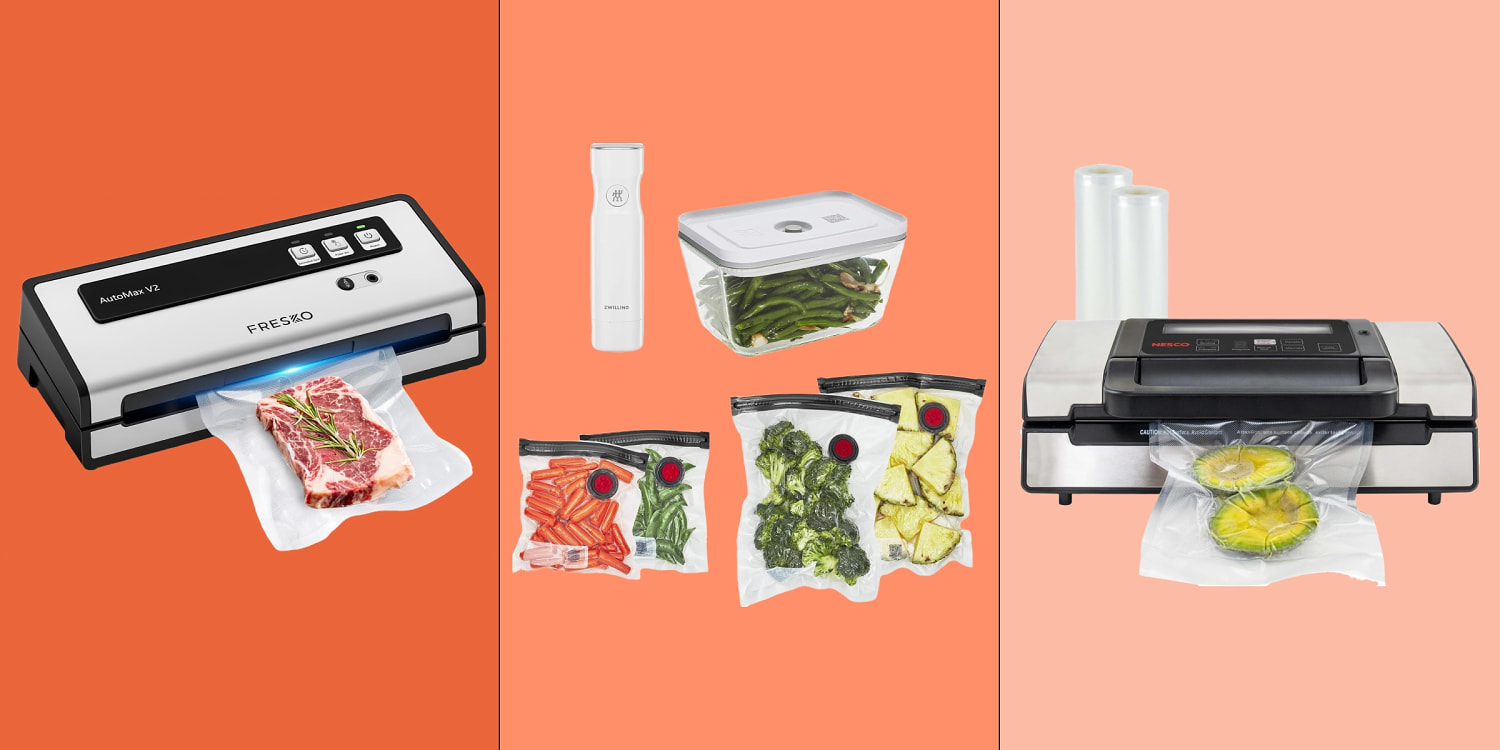
If you’ve ever had to toss a freezer-burned chicken breast or pricey steak, then you know the true cost of food waste — a vacuum sealer can help. By removing air before sealing, these gadgets slow spoilage and keep meat, produce and leftovers fresh longer. This kitchen gadget also makes it easier to buy in bulk and meal prep.
In fact, many people say that the machines practically pay for themselves by cutting back on food waste, which saves you money in the long run. To find out if this is true, I spoke to food experts about the benefits of vacuum sealers and how to use them properly. I also rounded up highly-rated options, including compact handheld models and heavy-duty machines that can take care of large jobs.
Selected.Our top picks


The best vacuum sealers for storing food
To round up the best food vacuum sealers, I used expert guidance (more on that below) on what to look for in one of these kitchen devices. Each item below has at least a four-star average rating from 500 or more shoppers at Amazon and other retailers.
This countertop sealer from Nesco has three seal settings (dry, moist and double), plus normal and gentle vacuum pressures so softer foods don’t get crushed. A pulse function gives you manual control over suction for delicate items like pastries and cut produce. It also has built-in roll storage and a bag cutter for making custom sizes. It works with any brand of vacuum sealer bags.
Anova is best known for its sous vide cookers, and this compact sealer is a natural companion if you cook that way. Not in the know? Sous vide is a cooking technique where food is sealed in an airtight pouch and cooked in a temperature-controlled water bath for an extended period. This sealer is simple to operate, with a single button that removes air and seals the bag. Separate pulse and seal buttons give you more control when you’re working with delicate foods. Plus, its small footprint makes it easy to stash in a drawer or cabinet.
This countertop sealer has two vacuum pumps, so it pulls air out quickly, even with larger items, according to the brand. It offers multiple food modes plus gentle and normal vacuum strengths for delicate foods. A removable drip tray catches liquid and is easy to wash. It also has built-in roll storage, a bag cutter and an auto-locking handle you can operate with one hand.
If you want a sealer that does most of the work for you, this compact model from Fresko is what you need. It detects the bag automatically once you insert it, then vacuums and seals without you pressing down the lid. For soft or juicy foods, the pulse button switches to manual mode to help you avoid crushing those items.
If you’re short on counter space, this handheld system from Zwilling is a compact alternative to a bulky countertop machine. Its cordless, rechargeable pump removes air at the press of a button and shuts off automatically once the bag or container is sealed. The starter set comes with two vacuum containers, four reusable zip-top bags and the pump. The containers and bags are dishwasher-safe and the bags are microwave-safe once unsealed.
What are the benefits of a vacuum sealer for food?
The main benefit of a vacuum sealer is that it helps food last longer while keeping its quality intact — particularly when freezing it. According to experts, when food is exposed to air, it’s more likely to dry out, lose flavor and develop freezer burn.
“Vacuum sealing can greatly increase the quality of your stored items,” says Kara Brown, a recipe developer and beekeeper. “The length of time it allows you to freeze foods will be approximately double or triple that of non-vacuum packed foods as there is less air and therefore less potential for freezer burn.” That’s especially useful for pricier proteins you may be freezing.
Removing air also helps preserve how food looks and tastes. “The air isn’t getting at the food, oxidization is slowed down, and you get fewer flavor and color changes,” says Christine Pittman, founder and CEO at TheCookful and CookForTwo, both of which send meal plans and recipes straight to your inbox. “Everything just keeps for longer. Sometimes for two to three times as long.”
Vacuum-sealed bags are also more compact than bulky containers or loosely wrapped packages, so they free up space in your freezer. “It also helps you organize your freezer better because you could stack your freezer bags laying flat and then you can get more of them in there,” says Pittman.
How do food vacuum sealers work?
Most vacuum sealers for home use are countertop models called external or edge sealers. To use one, you place food in a specially designed plastic bag and insert the open end into the machine. A pump then pulls the air out of the bag, and once most of it is removed, a heated strip melts the plastic together to create an airtight seal around the food.
These sealers typically require textured or embossed bags, which have channels that let air escape during the vacuuming process. Many models also have a pulse function that gives you more control over how much air is removed, which helps keep delicate items like bread or berries from getting crushed.
How I picked the best vacuum sealers for food
To help pick the best vacuum sealers for food, I asked experts what to consider when shopping. Here is what they said:
- Size: Countertop vacuum sealers can take up a fair amount of space, so measure your counter or cabinet before buying and consider where you’ll store the machine between uses. Also check the width of the sealing strip, since it determines the largest bag you can use. If you’re sealing big cuts of meat or bulk purchases, a wider strip is helpful, while a compact or handheld model may be enough if you mostly seal leftovers or smaller portions.
- Storage bags: “Find out ahead of time if the vacuum sealer will work with different brands of bags or if you have to buy their specific brand,” says Pittman. “If you have to buy their brand, you’ll want to think about how expensive they are.” Some models also work with bag rolls you cut to size, which can reduce waste and let you customize bags for different foods.
- Price: Handheld sealers are generally the most affordable, followed by countertop edge sealers. Think about how often you’ll use it: If you vacuum seal regularly, it may be worth paying more for a durable model with extra features. If you only seal food occasionally, a basic model will likely do the job.
Frequently asked questions
A food vacuum sealer is a smart investment for anyone who regularly freezes food or wants to cut down on waste. It’s especially useful if you buy meat, fish or produce in bulk, since you can divide large packages into smaller portions and freeze them without worrying about freezer burn.
Meal preppers can seal ready-to-eat portions to grab throughout the week, and home cooks who want to try sous vide will need a way to seal food in airtight bags before cooking it in a water bath. Hunters and gardeners can also use one to preserve their bounty for months.
No, vacuum sealing isn’t just for the freezer. Sealing food you plan to keep in the refrigerator can help it stay fresh a bit longer, which is handy for cheese, deli meats and prepped ingredients you’ll use over the next several days.
Vacuum sealers are also useful for pantry staples like coffee beans, nuts, rice and dried fruit, since limiting air exposure helps them retain their flavor and keeps them from going stale. Plus, sealing meat with a marinade helps it soak up flavor faster, and an airtight bag is essential if you cook sous vide. Just keep in mind that vacuum sealing doesn’t make perishable food shelf-stable, so anything that normally needs to be refrigerated should still go in the fridge after it’s sealed.
Many foods hold up well to vacuum sealing, especially items you plan to freeze. “Raw meats, poultry and fish work well,” says Pittman. “Hard cheeses work really well, too.” You can also vacuum seal vegetables, but Pittman recommends blanching them first by boiling them for a few minutes so they’re still mostly firm. Then, dry them completely and freeze them on a tray before sealing so the vacuum sealer doesn’t squash them.
The same tray-freezing method works for berries, she says. Soups and stews can also be vacuum sealed. Pittman suggests pre-freezing portions in Souper Cubes and then vacuum sealing the frozen cubes.
Not every food is a good fit for vacuum sealing. “Anything super soft or liquidy isn’t ideal for the vacuum sealer because it will get squished,” says Pittman. That includes items like ripe fruit and soups or sauces, which can lose their shape or get pulled into the machine unless you freeze them first. Fresh cruciferous vegetables like broccoli, cabbage and cauliflower can also be tricky, since they naturally release gases that can cause bags to lose their seal, so it’s best to blanch and freeze them before sealing.
Want more from NBC Selected? Sign up for our newsletter, The Selection, and shop smarter.
Meet our food experts
At NBC Selected, we work with experts with specialized knowledge and authority based on relevant training and/or experience. We also ensure all expert advice and recommendations are made independently and without undisclosed financial conflicts of interest.
- Kara Brown is a recipe developer and beekeeper.
- Christine Pittman is the founder and CEO at TheCookful and CookForTwo, which provide meal-planning programs and recipes straight to your inbox.
Why trust NBC Selected?
I am a commerce editor at NBC Selected and a journalist who regularly covers wellness, beauty, home and lifestyle. I have written about how to keep food fresh during a power outage, the best mini fridges and more. For this story, I interviewed two food experts about the benefits of vacuum sealing food.
Catch up on NBC Selected’s in-depth coverage of tech and tools, wellness and more, and follow us on Facebook, Instagram, X and TikTok to stay up to date.
KioskNews shows a cleaned-up reading view extracted from the publisher’s page — the original always lives on their site, not ours.