Maldon Salt faces questions after importing rock salt from Germany
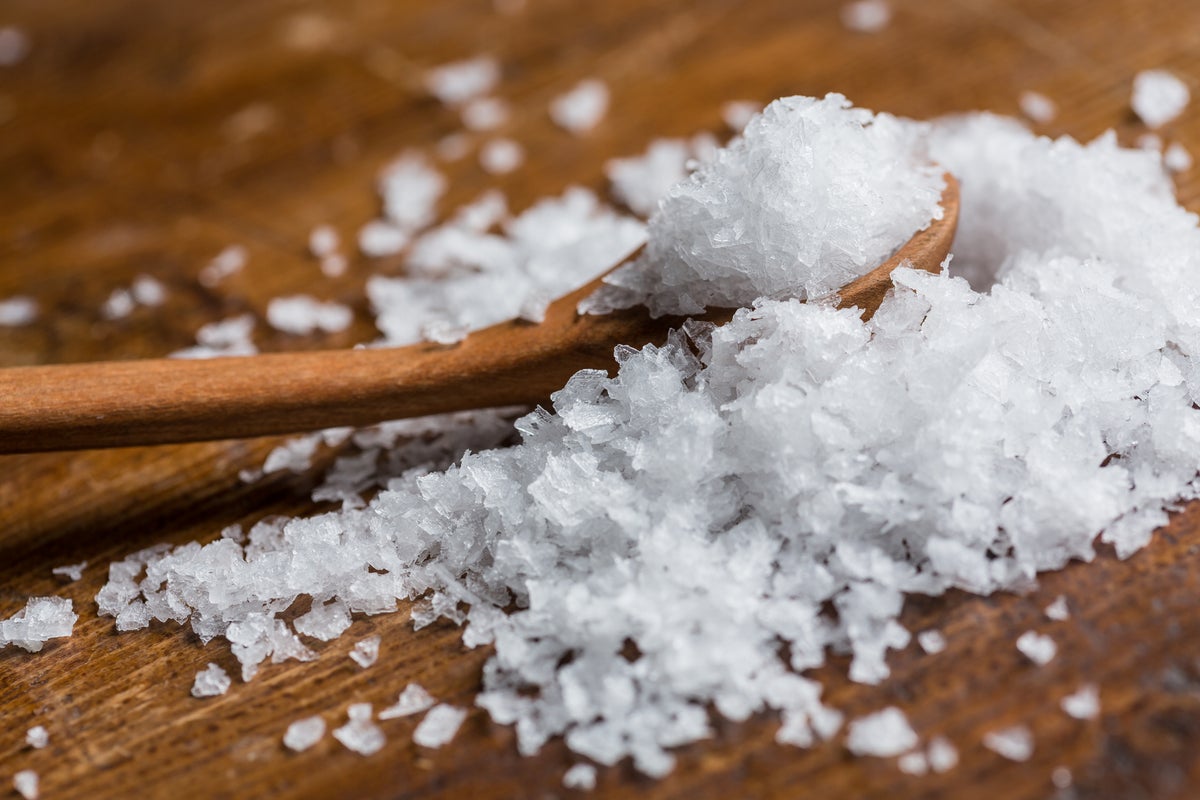
Maldon Salt has made a name for itself as one of Britain’s best loved brands, with its flakey sea salt found in the kitchens of famous chefs and foodies.
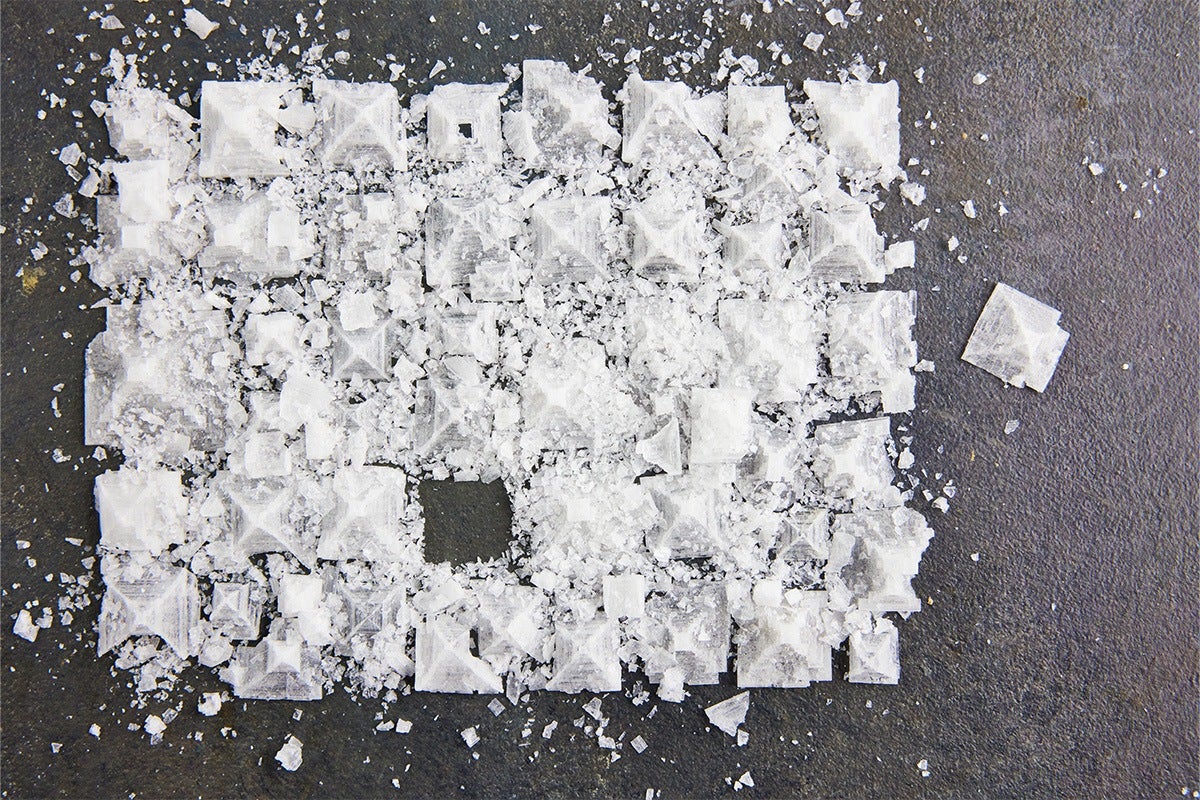
Established in 1882, the brand is known for its distinctive pyramid salt flakes, which they claim has been harvested in the UK town of Maldon, in Essex. Its “traditional artisan methods” have helped justify the cost, with a 250g box of Maldon Sea Salt Flakes going for £2.85 from the supermarket, while Saxa’s 350g coarse sea salt costs £1.90.
But now, the company faces questions after an investigation by the Observer has claimed they have been using rock salt from Germany rather than harvesting their flakes purely from the Maldon shoreline.
Regulators have reportedly allowed the company to use imported rock salt to filter and enrich the seawater it claims to harvest. The imported salt dissolves in the seawater through a practice known as “salt-on-salt” method that allows the firm to increase volumes at its main production site near the village of Goldhanger in Essex, the report claims.
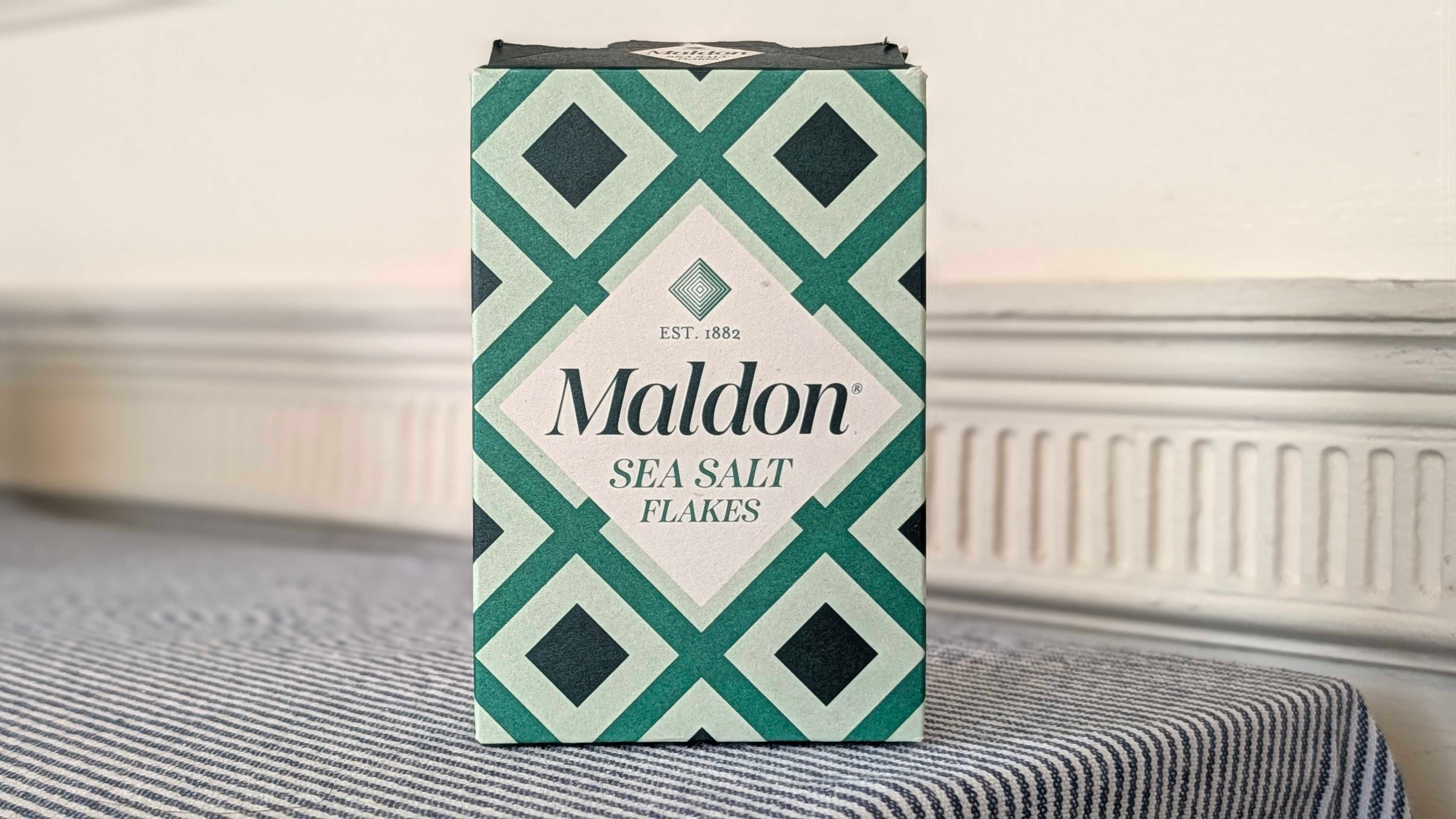
Maldon Salt’s website describes its product as “a gourmet sea salt that is harvested in the UK town of Maldon, Essex”. But people living near the plant in Essex questioned why salt was being delivered in sacks bearing the logo of K+S, a German mining company, the Observer reported.
The company has claimed that its labelling and marketing to describe its products as “100% sea salt flakes” is correct as it considers rock salt an ancient sea salt.
It updated its website last week to describe the “salt-on-salt” method used on its production line for the first time. The website states: “The water is settled and filtered, then prepared as brine using our long-established salt-on-salt process, in which natural, ancient sea salt forms part of the brine-making, to enrich the seawater with natural minerals.”
JTS Partnership, the planning agent for Maldon Salt, told the Observer that the rock salt was added to the salty water of the Blackwater river in a steel container called a hopper
“This manufacturing process has remained essentially unchanged for over 130 years,” they said, per the Observer.
Andrea Sella, professor of chemistry at University College London, told the newspaper that once two sources of salt were blended together, they were impossible to separate.
A spokesperson for Maldon Salt said: “Maldon is a heritage brand and the custodian of the ancient craft of salt making for 144 years. Our artisan salt-on-salt production techniques are part of that heritage.
“Rock salt is ancient sea salt, from evaporated prehistoric seas. The ancient sea salt minerals dissolve into the sea water at Maldon, creating a brine. The brine is heated in open salt pans, and the evaporation process creates 100% Maldon sea salt flakes.
“Since 1882, this long-established craft gives Maldon its distinctive pyramid flakes, the same taste and unique texture that cooks and chefs have known for generations.
“Maldon Salt’s products and labelling comply with all applicable food-safety and labelling legislation.
“Maldon Salt is at its core, a story of place, craft and legacy and why it is loved by chefs and consumers around the world.”
The Independent has contacted the National Food Crime Unit for comment.
KioskNews shows a cleaned-up reading view extracted from the publisher’s page — the original always lives on their site, not ours.