As foreigners in Thailand lose homes, Malaysia courts wealthy buyers
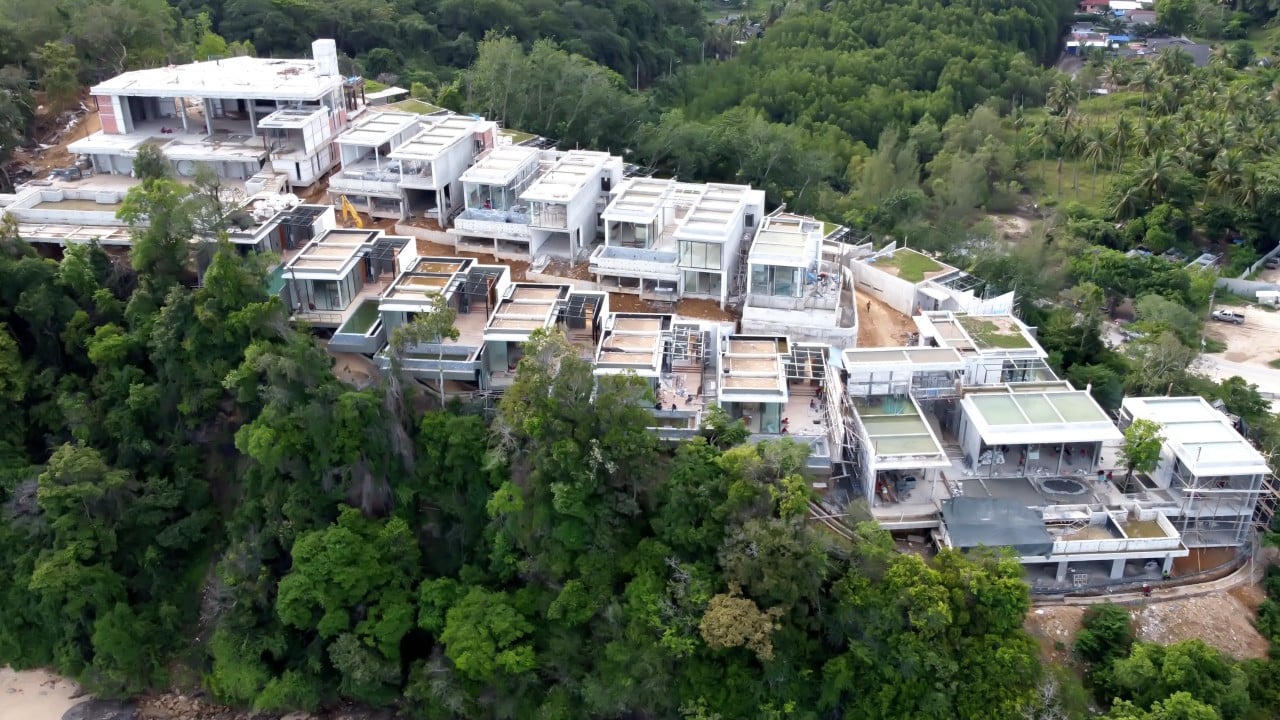
A growing number of foreigners who thought they owned a home in Thailand are discovering they never legally did.
A year-long crackdown on illegal foreign property ownership in the Southeast Asian nation has led to confiscations, arrests and prosecutions.
“There’s a lot of confusion, fear and sleepless nights going on out there,” said Brian Ramsden, a Briton who has become a trusted voice on social media for his measured explainers on the subject.
“Some people are having to sell their properties within 12 months,” he told This Week in Asia. “Others have had their houses taken away.”
There’s a lot of confusion, fear and sleepless nights
Thai law bars foreigners from owning land. They also cannot hold a majority of a Thai company unless they have a specific investment exemption.
For decades, the standard workaround was a so-called nominee company, set up and marketed by accountants, lawyers, developers and agents. These shell companies, which were used to buy the land, would list a Thai partner as the 51 per cent majority owner, despite them putting in no money, drawing no salary and having no real stake.
Thai authorities have been dismantling these illegal nominee structures for about a year. In June, the Commerce Ministry announced that 140 accountants were under investigation in connection with 2,040 foreign-linked companies.
One accountant alone was said to hold shares in 212 companies, worth 247 million baht (US$7.3 million).
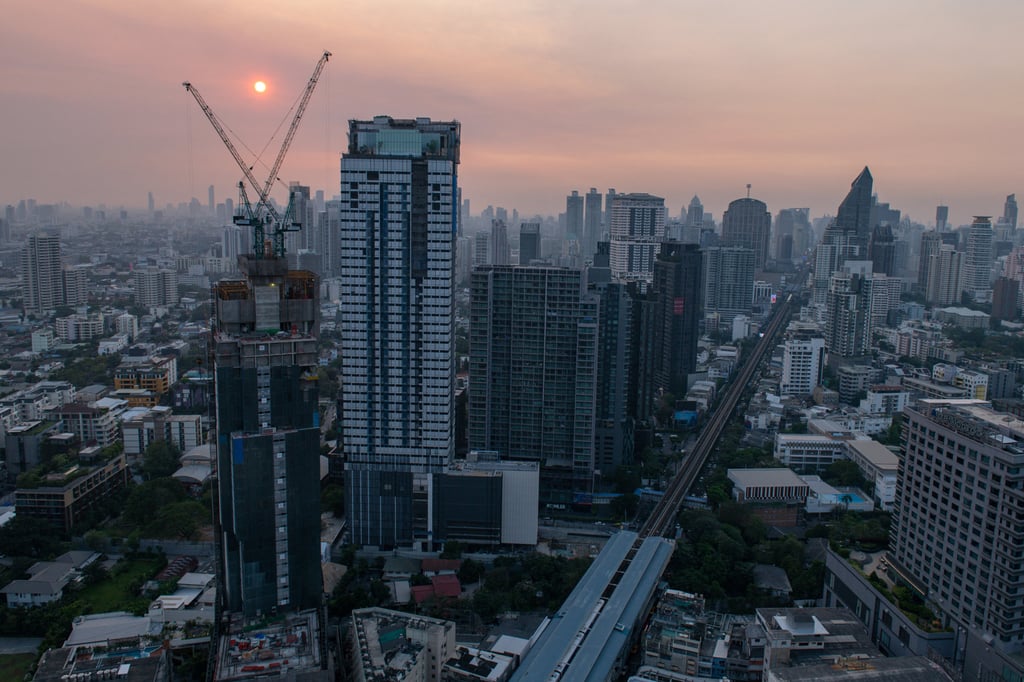
Officially, the target of the crackdown is free-spending foreign criminals who have taken up residence in Thailand to launder the proceeds of scams and drugs through pool villas, condominiums, restaurants and bars – pricing out locals and changing the character of quiet outlying islands.
But many of those caught up in the dragnet had no idea that they had broken the law. Some long-term residents were told they had bought land outright, or had a 30-year lease that would renew automatically for up to 60 more years. Neither is actually permitted.
Foreigners in Thailand may hold a registered lease of up to 30 years, or own condominium units outright, provided total foreign ownership does not exceed 49 per cent of the building’s saleable floor area.
“There have always been perfectly legal and safe ways to buy a property in Thailand without a nominee,” said Ramsden, who is the general manager of foreign affairs at Lawyers for Expats Thailand, a legal services provider.
His phone pings every few minutes with another new anxious inquiry. They run the gamut from retirees who sank life savings into Thai properties to business owners whose investments authorities say have little or no legal basis.
“Some people entered it with their eyes open,” Ramsden said. “Others did not know what they were doing.”
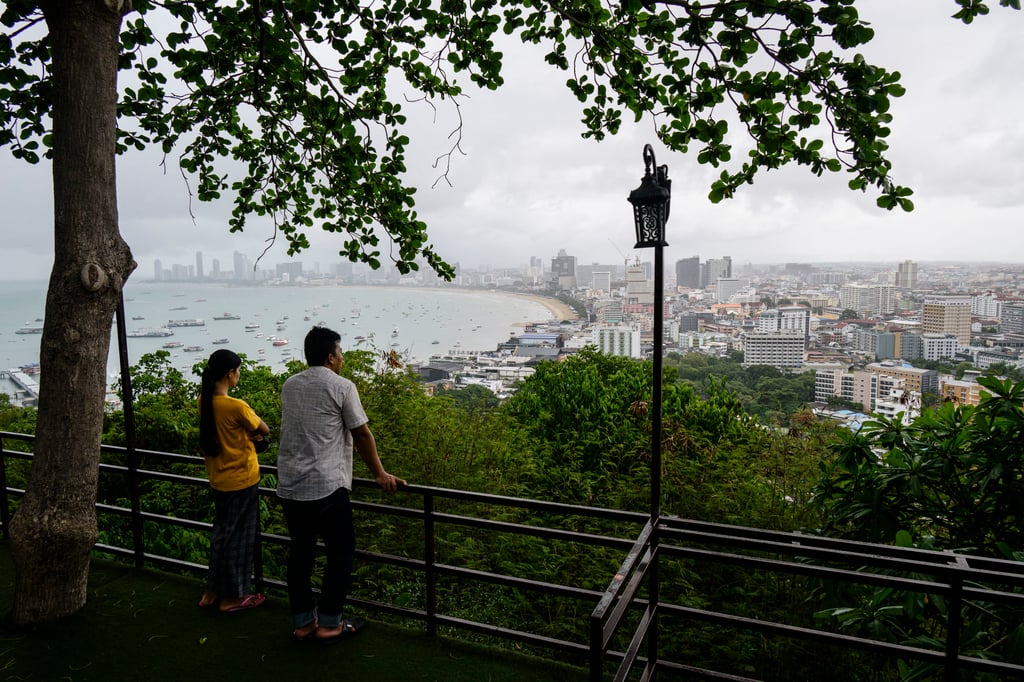
Illusion of ownership
Victor Wong, managing partner at Victor Law Group in Pattaya, said the main risk to foreign investors was discovering that the legal protections they thought they had might “never have existed in the first place”.
“Thailand has every right to enforce its laws and protect the integrity of its property and business ownership systems,” he said, while urging flexibility for buyers who inadvertently fell foul of the law.
“The crackdown should not be interpreted as a message that Thailand is closed to foreign investment. It should be understood as a message that foreign investment must be transparent, genuine and legally sustainable.”
For those who strayed off the straight and narrow, there are few good options: a quick sale at a steep discount is one, or a buyout by a legal Thai entity that can own the land and lease the property back.
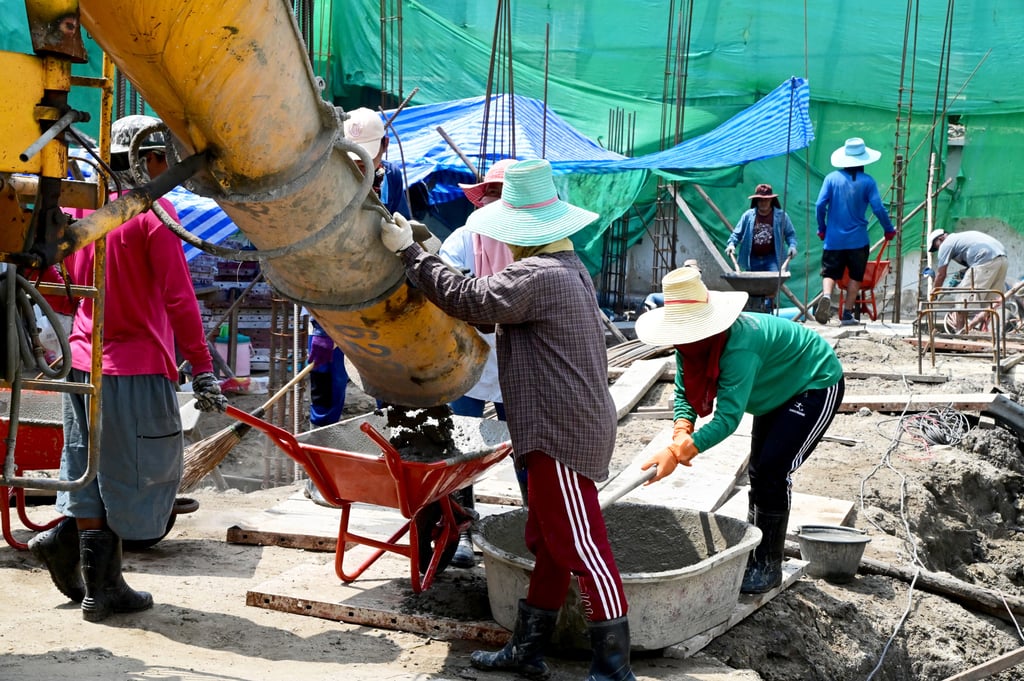
Anecdotes abound of retirees facing financial ruin after buying in good faith, as questions ricochet across expatriate forums asking whether buying property in Thailand is actually viable at all.
The crackdown has cooled demand. One Pattaya agent, who asked not to be named because of the topic’s sensitivity, said distressed properties were hitting the market at bargain-basement prices.
“Right now, buyers are not in a hurry,” she said. “I think a lot of developers will go bankrupt because of this.”
Heavily leveraged builders often depended on “off-plan” sales, she said, in which buyers paid for homes before they had been built to fund future construction. Many of these developers are now feeling the strain.
Tens of thousands of foreign nationals own condos in Pattaya. Industry observers warn that even those buildings complying with the 49 per cent ownership limit could now face stricter checks.
Not just Thailand
Across Southeast Asia, other governments are also scrutinising nominee arrangements, as public resentment builds over the deluge of foreign capital that has washed over the region since the pandemic.
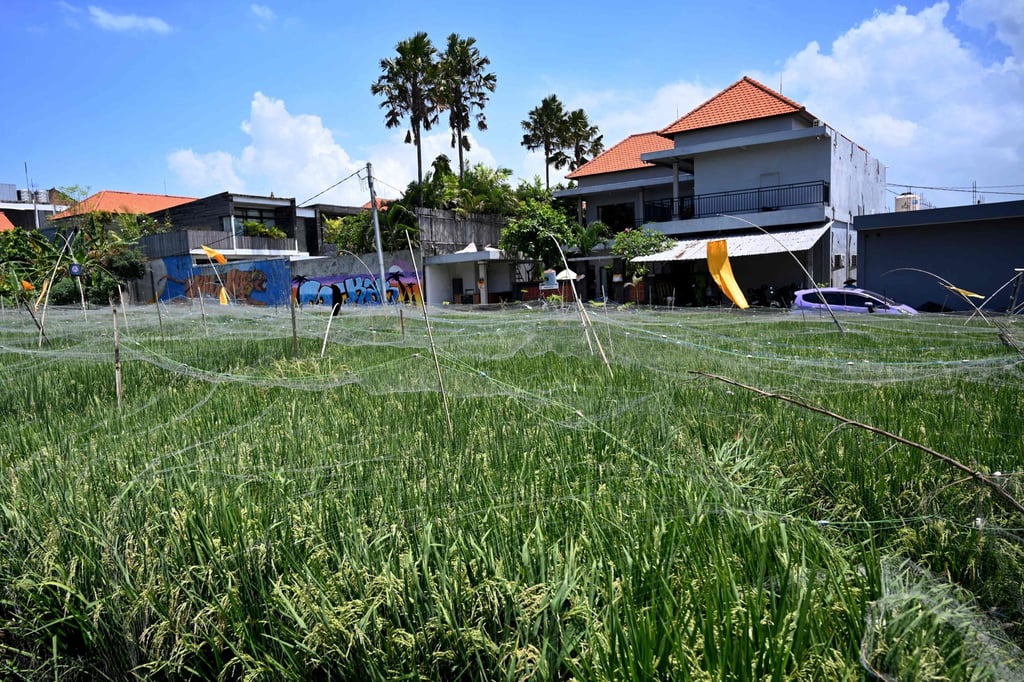
In Bali, authorities have begun to move against nominee arrangements used to bypass Indonesia’s ban on foreign freehold ownership. In February, the local government stopped conversions of agricultural land under a rule targeting nominee holdings. That same month, local media reported that roughly 10,500 parcels of land were held under such illegal arrangements.
Detection has been difficult, with the resort island’s land agency chief acknowledging in April that nominee arrangements typically only came to light once ownership disputes arose.
In Vietnam, a draft housing law would allow foreigners to continue buying condominiums under existing building quotas, but bar them from buying individual landed houses such as villas and town houses – a tightening aimed at eliminating regulatory grey areas surrounding landed developments.
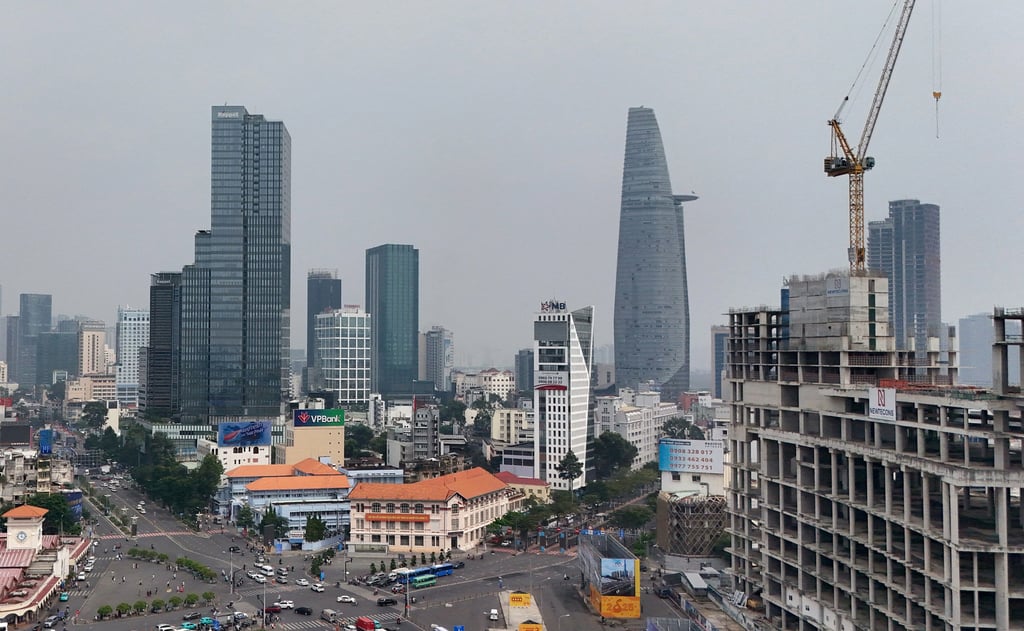
Huong Do, head of residential sales and private office at Savills Vietnam, advised foreign buyers to “complete comprehensive due diligence”, meaning independent legal and financial checks, before paying a deposit or entering into any contractual commitment.
In fast-moving property markets where laws could change quickly and enforcement was often patchy, the onus was on buyers to make sure that a property was actually available to them under the law, she said.
“A broader lesson from Thailand and other international markets is that investors should not rely on informal ownership structures, nominee arrangements or the assumption that the interpretation and enforcement of legislation will remain unchanged,” she added.
Malaysia’s opening
As Thailand tightens the screws, neighbouring Malaysia stands to gain.
Foreigners can buy residential property in Malaysia – including freehold land – in their own names, subject to minimum price thresholds and approval from individual state authorities, independent of the long-running “Malaysia My Second Home” (MM2H) residency programme.
Anthony Liew, president of the Malaysia My Second Home Consultants Association and founder of WellHome MM2H, said this made nominee ownership less of an issue.
“Malaysia always welcomes direct investment from outside,” he said, noting that restrictions largely covered only agricultural land and Malay reserve land.
MM2H is a long-stay residency visa aimed at attracting foreign retirees and families. Liew said Malaysia’s international schools, which he called “a stepping stone” towards further studies overseas, had added to its appeal.
Chiew Choon Man, the country’s deputy tourism, arts and culture minister, said in September that the programme had received 7,650 applications between October 2024 and August this year, generating 8.85 billion ringgit (US$2.17 billion) in economic value – more than 5 billion ringgit of it in property purchases.
Most applicants came from mainland China, Taiwan, Hong Kong and Singapore, followed closely by the United States, he said.
Under revised rules introduced in 2024, applicants are now required to own property worth between 600,000 ringgit (US$147,200) for the programme’s entry-level silver tier, offering a five-year renewable visa, and 2 million ringgit for the platinum tier, which comes with a 20-year renewable visa attached.
American retiree Andrew Taylor, who applied for an MM2H permit in 2014, said the scheme’s earlier affordability and Malaysia’s lower cost of living had allowed him to retire at 60. But today, fixed deposits ranging up to the equivalent of US$1 million and steep agent fees had priced out middle-income expats, he said.
“I could not afford to enter the programme now,” said Taylor, who runs a YouTube channel about retiring in Malaysia. “They only seem to want wealthy applicants now and don’t consider how even less wealthy applicants contribute to the Malaysian economy.”
KioskNews shows a cleaned-up reading view extracted from the publisher’s page — the original always lives on their site, not ours.