Terrorism remains a major concern, Singapore to enter next phase of SGSecure movement: PM Wong
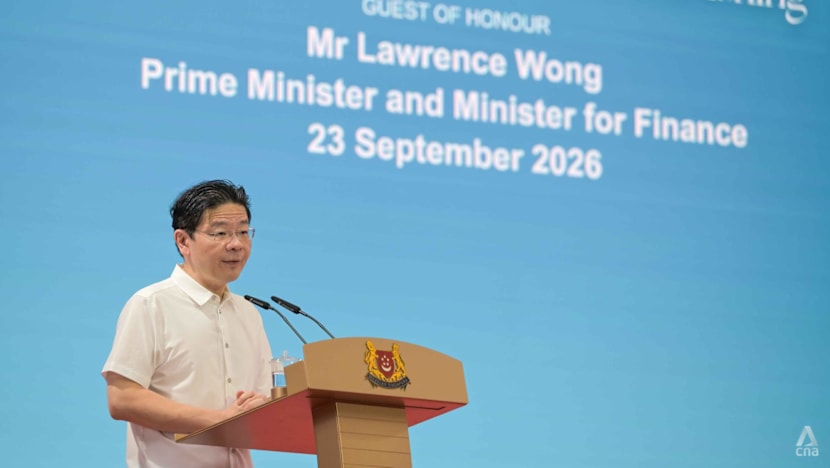
SINGAPORE: Whenever Prime Minister Lawrence Wong is briefed about cases of radicalised individuals whose plans to carry out public attacks are thwarted, his first reaction is relief.
But terrorism is still a major concern, and the threats facing Singapore are now broader, Mr Wong said on Wednesday (Sep 23).
“So far we have been fortunate. Our security agencies have worked tirelessly behind the scenes. They have detected individuals who posed a danger, disrupted plots, and intervened before anyone was harmed,” he said at an event to mark the 10th anniversary of SGSecure.
“But I also worry. Because there were very close calls in some cases. We managed to intervene in time before anyone was hurt. But things could have turned out very differently,” he added.
Launched in September 2016, SGSecure is the national movement to prepare Singaporeans to respond in the event of a terrorist attack.
Mr Wong said that “we cannot predict exactly where the danger will come from, or when it might strike”.
Speaking at the event at Our Tampines Hub, he acknowledged the progress Singapore has made, but emphasised that there is more to be done.
“In this next phase of SGSecure, we will step up our efforts,” he said.
“We will widen our outreach to neighbourhoods, schools and workplaces. We will mobilise more volunteer advocates to reach out to the people around them, and encourage more Singaporeans to do their part.”
He also told the 200 partners, volunteers, community leaders and officials at the event that they play a critical role in the SGSecure efforts.
Also present were Minister for Culture, Community and Youth David Neo, Law Minister Edwin Tong, Second Minister for Home Affairs Sim Ann, Acting Minister-in-charge of Muslim Affairs Zaqy Mohamad, and Minister of State for Culture, Community and Youth Dinesh Vasu Dash.
NEXT PHASE OF SGSECURE
The Ministry of Home Affairs (MHA) said on Wednesday that while Singaporeans generally report high threat awareness and alertness, public complacency and youth radicalisation remain key concerns.
In a press release, the ministry said it will review the content of its advisories to ensure they adequately responds to evolving threats – particularly youth radicalisation – and resonate with different audiences.
A new integrated marketing and communications campaign will be launched next year, with a new tagline and refreshed messaging, said MHA.
“We are also in the process of reviewing SGSecure’s touchpoints across different domains, to ensure that we reach Singaporeans, particularly those whom we have been less successful in reaching before,” it said.
For instance, the SGSecure Advocate Programme will be expanded from the pilot at institutes of higher learning to schools and the wider community, including workplaces and other organisations.
The programme aims to build a network of members who can spread SGSecure messages, such as recognising potential threats and identifying and reporting potentially radicalised individuals.
MHA is also trialling an artificial intelligence-enabled training chatbot on WhatsApp to better support SGSecure advocates, volunteers and frontline officers in their engagements with the public.
Communication efforts will spread across radio, digital and online platforms, along with more collaborations with content creators, media and community partners, said MHA.
There will also be efforts to reach vernacular-speaking audiences, preschoolers and young families, as well as new modes of digital engagement, such as through online gaming platform Roblox, said MHA.
DO NOT LET GUARD DOWN
In his speech, Mr Wong said he is concerned that after years of peace and security, Singaporeans may be starting to let their guard down.
“Perhaps we see an unattended bag in a public place, and assume someone else will deal with it. Or we notice a friend or family member becoming drawn to extremist material online, and ignore it,” he said.
“Or we see behaviour that does not seem quite right, but we hesitate to speak up because we do not want to be seen to overreact.”
While it may turn out to be nothing most of the time, that small warning sign may matter sometimes and people should not simply look away, said Mr Wong.
“To be clear, we do not want Singaporeans to live in fear, or to be suspicious of everyone around them,” he said.
“We want to continue going about our lives with confidence and peace of mind. But we can only do so only if we are alert and prepared, and take sensible action when something does not seem right.”
Mr Wong said that “no security system can give us a 100 per cent guarantee”. People cannot become complacent about safety and security in Singapore.
He noted that people are used to Singapore being safe, and go about their daily lives without constantly worrying about danger.
“Our children go to school and come back safely. We take public transport, go to work, attend religious services and community events without fear. We can walk around our neighbourhoods late at night and still feel secure,” he said.
“These things feel normal to us. But look around the world, and you realise that what we regard as normal in Singapore is really exceptional.”
This is possible only through the efforts of the country’s security agencies, and by building preparedness and trust across society, said Mr Wong.
Through SGSecure, more Singaporeans now know what to do in a crisis, with strengthened emergency preparedness in neighbourhoods, workplaces, schools, religious and community organisations, said Mr Wong.
Stronger bonds of trust have been built across Singapore’s society, he said.
“These bonds become especially important if an attack is motivated by race or religion,” he said.
Mr Wong cited the 2024 incident when the Internal Security Department detained a self-radicalised 17-year-old who was planning an attack at a neighbourhood centre in Tampines.
The Tampines GRC Community Response Roundtable quickly brought religious leaders together to denounce the plot.
“That is the resilience we need. If something does happen, our emergency and security services will of course respond quickly. But the people already at the scene will be ordinary Singaporeans.”
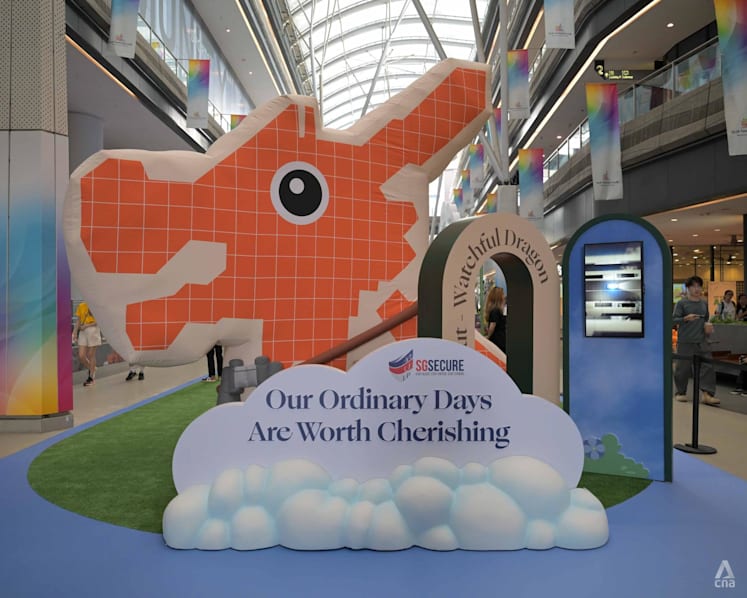
Noting that “an ordinary day in Singapore is nothing dramatic”, Mr Wong said it shows how people in Singapore have become accustomed to peace and security.
“We should cherish that. But we should never take that for granted,” he said.
KioskNews shows a cleaned-up reading view extracted from the publisher’s page — the original always lives on their site, not ours.