Hong Kong and Indonesia can deepen green finance ties, Jakarta envoy says
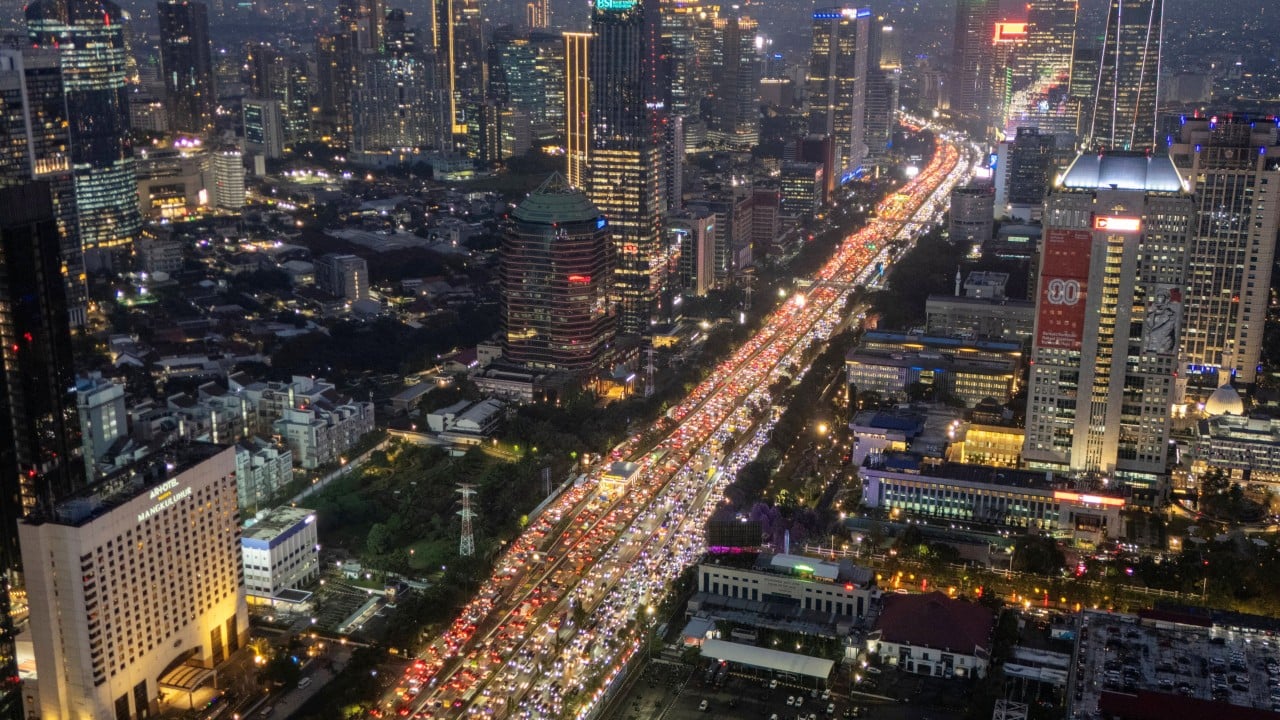
Hong Kong and Indonesia can deepen cooperation in green finance as their ties strengthen, the country’s special envoy for international trade has said, adding that the city’s common law expertise can support the nation’s efforts to attract family offices.
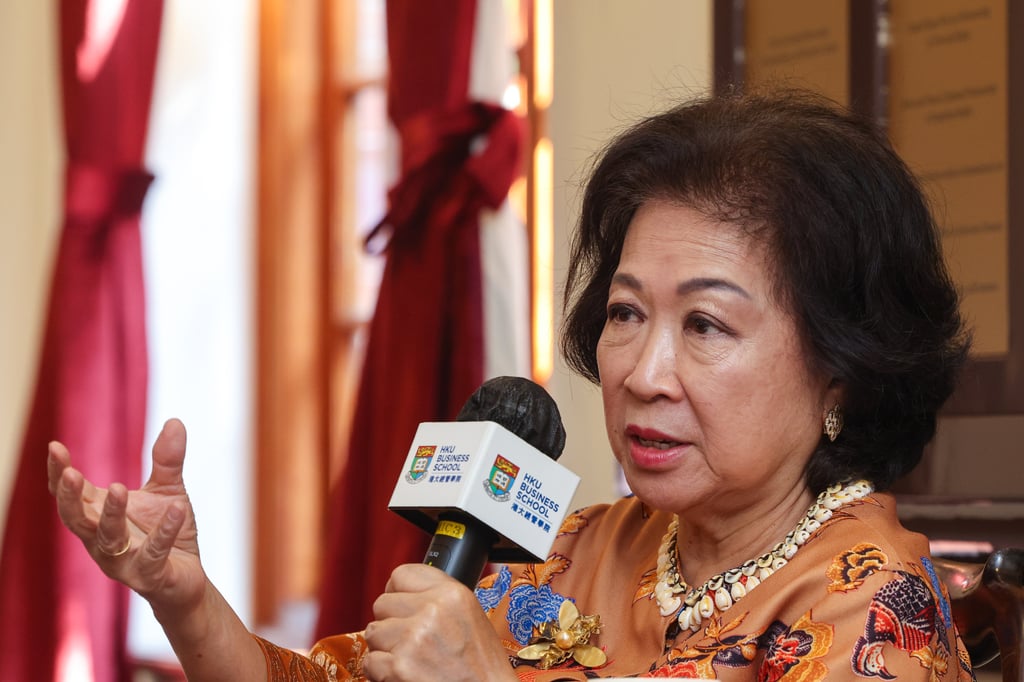
Hong Kong also played a vital role as a conduit channelling mainland China investments to Asean, Mari Elka Pangestu told reporters before delivering a lecture at the University of Hong Kong on Wednesday.
Pangestu is the Indonesian president’s special envoy for international trade and multilateral cooperation, as well as vice-chairwoman of the country’s National Economic Council.
Following efforts by the Hong Kong government to tap the Asean market, ties between the city and the bloc had prospered, she said, noting the region was the city’s second-largest trading partner.
The bloc comprises the Philippines, Indonesia, Malaysia, Singapore, Brunei, Thailand, Vietnam, Cambodia, Laos, Myanmar and East Timor.
Hong Kong and Asean merchandise trade grew at 7.6 per cent annually on average over the past five years, reaching HK$1.66 trillion (US$211.5 billion), or 15.3 per cent of the city’s total trade, in 2025.
“Moving forward, what we would like to see is kind of more the complementarity between what Hong Kong can offer and what Asean has. And I think the real potential is probably in financial connectivity and green bonds, sustainable finance and infrastructure investment, because Hong Kong is a financial centre,” Pangestu said.
Noting that both sides were eager to develop green finance, she described the sector as highly complementary.
She said the surge in global fuel prices had heightened the urgency for renewable energy production across Asean countries, creating emerging investment opportunities such as the electric vehicle market.
“What we need to do is align the green bond standards and taxonomies and mobilise private capital for Southeast Asia’s energy transition,” Pangestu said.
She added that Hong Kong could support Indonesia with its expertise in financial and legal services, as well as its talent pool, particularly in the country’s drive to attract family offices and investors.
“We have been told by investors that what [they] want is common law, because it apparently provides the most legal certainty when you have disputes,” she said.
“So I can see that we will probably come and look for legal expertise in Hong Kong, say for those who are very experienced with common law, and then also to run financial services.”
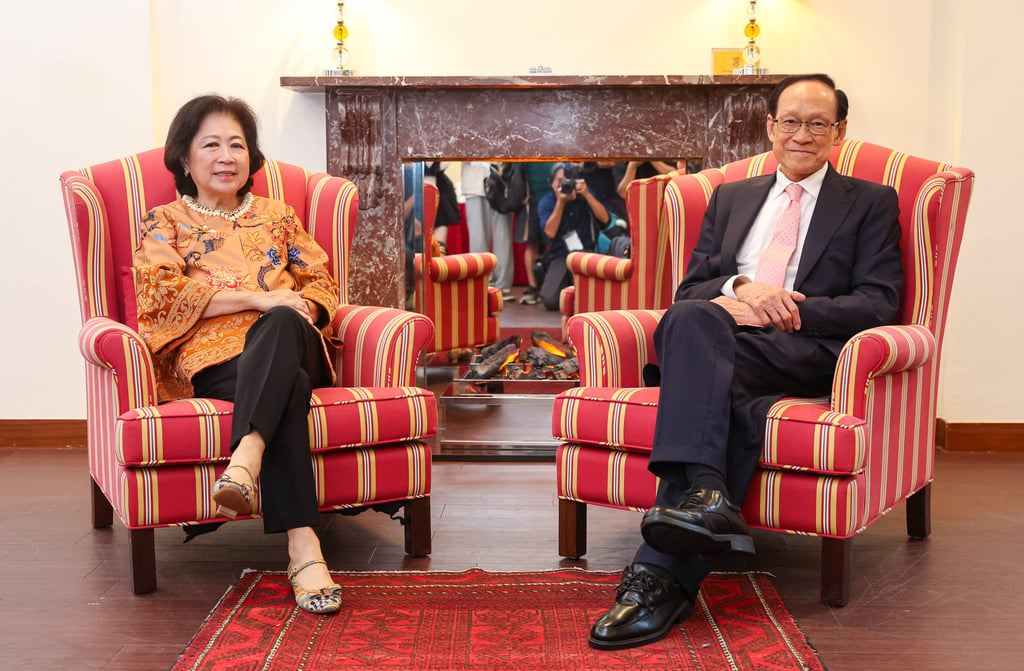
Edward Chen Kwan-yiu, former president of Lingnan University and the distinguished economist after whom the lecture series is named, echoed the view that Hong Kong must strengthen collaboration with Asean.
Chen said the government should diversify investment sources for the Northern Metropolis and attract capital from Asean.
The megaproject aims to transform about 30,000 hectares (74,132 acres) of land along the mainland Chinese border into a technology hub and create a new economic engine.
Chen also highlighted Hong Kong’s strength as the world’s largest offshore renminbi hub in promoting trade.
“Using renminbi is a great advantage to Asean countries. The borrowing cost is much lower than the US dollar ... And the transaction cost is much lower because it is direct exchange,” Chen said.
In June, the People’s Bank of China, the Hong Kong Monetary Authority and the Bank Indonesia signed an agreement to implement a currency transaction framework for the direct exchange and settlement of Indonesian rupiah and Chinese yuan in cross-border trade and investment activities.
However, Pangestu acknowledged that only about 10 per cent of trade between Indonesia and China was currently settled in renminbi, which she described as a relatively small share, despite the practice beginning to gain traction.
She attributed the modest figure to limited business awareness and availability, while noting that the Indonesian central bank had been promoting renminbi settlement to mitigate volatility of using the US dollar.
She also commented on Chinese President Xi Jinping’s visit to Washington last month, saying that it had helped stabilise Sino-US ties despite lingering uncertainty.
“A stable floor is good enough for now, because at least then you can do your relative calculations,” she said.
“I think we have now, even though there is still risk and uncertainty, we kind of have an idea of where the uncertainty is, at what level this is going to be stabilising ... and I think businesses have figured out how to manage this in terms of the supply chain disruptions.”
Pangestu also addressed challenges facing the Indonesian economy as its currency fell to historic lows against the United States dollar this year.
She noted that many countries had seen currency weakening due to the stronger American dollar and higher US interest rates, while domestic factors such as investor confidence in Indonesia had also played a role.
She expected Indonesia’s economy to grow by more than 5 per cent this year, saying the government had recognised the weak consumer spending caused by higher borrowing costs and was working to improve the investment environment to support stronger expansion.
KioskNews shows a cleaned-up reading view extracted from the publisher’s page — the original always lives on their site, not ours.