Esther Adeyanju: This International Men’s Day, Let’s Make Room for Men’s Vulnerability
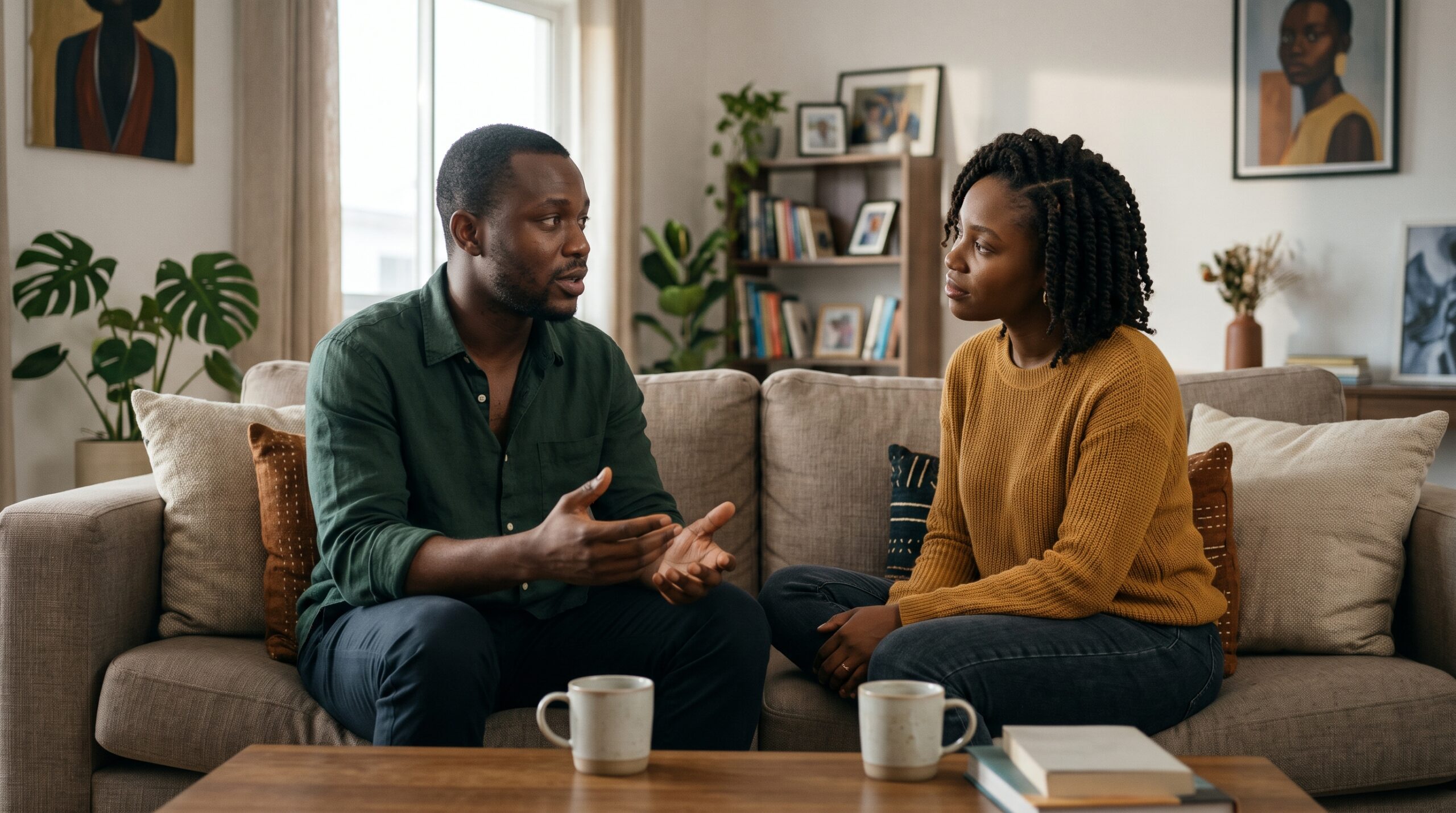
“Men are not wired to show emotions.” A male friend once said to me during an argument. He was so convinced that I wondered whether a manual somewhere explained how men were manufactured.
According to him, men were created to be strong, endure pain and keep their emotions to themselves. That was simply how they were made.
“So, because you’re a man, you’re not supposed to feel hurt, fear or disappointment?” I disagreed.
He insisted that showing emotions was not in a man’s nature.
Who made that rule? Who decided that men could experience pain but must never be seen expressing it? At what point did being a man become synonymous with pretending that everything was fine?
The conversation wilted, but it has stayed with me, perhaps because my friend wasn’t expressing an unusual opinion. He was repeating a stereotype many of us have heard all our lives: “Boys don’t cry.” “Be a man.” “Man up.”
Three little expressions, and somewhere between being told to be strong and learning to say “I’m fine,” I wonder how many men have forgotten what it feels like to be heard.
Frequent questions men are asked: “How far? Work nko?” “When are you getting married?” “Have you bought land?” “How is the family?” And the famous Nigerian question that can make an unemployed graduate dread family gatherings: “So, what are you doing now?”
We often inquire about their achievements, responsibilities, and plans. These aspects are important, but how often do we ask about their fears?
A father who leaves home before sunrise and returns exhausted, burdened by the weight of school fees, rent, and family expectations. A young graduate who has submitted countless job applications, yet still smiles politely when another relative inquires why he hasn’t found a job. A successful professional whose LinkedIn profile showcases numerous achievements, while his personal life tells a story that no one has thought to ask about.
We admire their strength, we applaud their sacrifices, and we celebrate their accomplishments. But what about what they are going through? The person everyone leans on also needs somewhere to lean.
Society has an interesting checklist for measuring a man’s success.
A good job, a house, a car, a wife, children and financial stability. Preferably, all achieved before a certain age. But if a man struggles to achieve all these, is his life any less meaningful?
Surely, a man’s worth cannot be reduced to his bank balance, job title or ability to convince everyone that he has everything under control. There must be room for men who are still becoming.
The Empty Chair Nobody Notices
This year’s theme for International Men’s Day, celebrated on November 19th, is “The Future Is Everyone.” While this theme may seem straightforward, it invites us to explore the true meaning of “everyone.”
Working in corporate communications at the Chartered Institute of Personnel Management of Nigeria (CIPM) has heightened my awareness of how easily we categorise people based on their roles: leaders, employees, fathers, mothers, young professionals, and others. However, behind every label is a human being whose story is often more complex than it appears.
The theme urges us to see people beyond face value, beyond titles and see them as humans first. It urges us to avoid assuming we know what others need. Allowing men to share their struggles does not diminish the experiences of another gender. Compassion is not a competition; there is ample space to challenge the expectations that confine both men and women.
After all, what kind of future can belong to everyone if some individuals must conceal parts of themselves to fit in?
This International Men’s Day, let’s celebrate the men who show up for their families, mentor young people, support their communities, and quietly make life better for others.
Let’s remember the weary men—those who haven’t achieved everything they envisioned, who fear disappointing their families, and who desperately need help but have been taught that asking for assistance makes them less of a man.
Reach out to your brother, check in on your father, and connect with that friend who always seems to have everything figured out.
I still disagree with my friend’s belief that men were not created to show emotions. Men are human beings, not machines programmed to absorb every disappointment without showing vulnerability. If the future truly belongs to everyone, it must also include men who are allowed to be vulnerable, uncertain, imperfect, and human.
We have spent generations teaching men to stand strong, but it’s time we remind them that they don’t always have to stand alone.
KioskNews shows a cleaned-up reading view extracted from the publisher’s page — the original always lives on their site, not ours.