The 10 Best Miniseries With Perfect Pacing, Ranked

Ryan Heffernan is a Senior Writer at Collider. Storytelling has been one of his interests since an early age, with his appreciation for film and television becoming a particular interest of his during his teenage years.
This passion saw Ryan graduate from the University of Canberra in 2020 with an Honours Degree in Film Production. In the years since, he has found freelance work as a videographer and editor in the Canberra region while also becoming entrenched in the city's film-making community.
In addition to cinema and writing, Ryan's other major interest is sport, with him having a particular love for Australian Rules football, Formula 1, and cricket. He also has casual interests in reading, gaming, and history.
Sign in to your Collider account
In any form of visual storytelling, narrative pacing is paramount to conjuring a spectacle that immerses audiences in the viewing experience. Finding the perfect tempo to compliment the unfurling story is particularly important in the realm of miniseries, with the format forced to find the exact right balance between the long-form patience of extended television and the succinct immediacy of feature films.
That being said, there is no one right pace that all limited-series releases need to run at, a fact that is proved on this list as everything from simmering slow-burn mystery dramas to frenetic and fast-paced action thrillers feature. The one thing all these miniseries have in common is they nail the tone and tempo of their respective stories to conjure richly absorbing watches that use their runtimes to perfection.
10 'Unbelievable' (2019)

An underrated, albeit confronting true crime gem from Netflix, Unbelievable brings an intense, eye-opening rawness to its harrowing story with its unflinching performances, bold narrative beats, and masterful pacing. What is so impressive about the eight-part miniseries’ tempo is that it finds a balance between two completely different plot lines, with the series focusing on Marie Adler’s (Kaitlyn Dever) recovery from sexual assault and two Colorado-based detectives’ investigation into a serial rapist.
The opening episodes are restrained and labor-intensive, focusing on Marie’s trauma and the injustice she faces with a suffocating slowness that highlights her isolation, agony, and the stagnant, non-linear nature of recovery. As Unbelievable shifts to explore the police procedural plot, it embraces a quicker pace that captures the high-stakes desperation of the investigation while still giving the process a sense of grinding, methodical gravitas. Juggling two very different tempos while delivering one of the most thematically powerful and emotionally devastating miniseries of all time, Unbelievable is an outstanding feat of small-screen storytelling that should be heralded among Netflix’s finest ever productions.
9 'Brideshead Revisited' (1981)

It is fascinating to see how different forms of storytelling evolve and age over time. In the 1980s, television drama was defined by a slow, wafting gentleness, one that has admittedly seen many of the era’s series grow somewhat outdated, but one that did work a charm on occasion. The best example of this is 1981’s Brideshead Revisited, with the BBC adaptation of Evelyn Waugh’s novel capturing an ethereal air of nostalgia, memory, loss, and the devastating passage of time with its refined tempo.
Jeremy Irons stars as Charles Ryder, a British officer in WWII whose unit is relocated to the Brideshead house, the former home of the wealthy Flyte family who he was close in his youth. Drifting between the cold and unfeeling drive of war and the hopeful idealism of the 1920s aristocracy, Brideshead Revisited uses its tender and languid rhythm to entrance viewers in Ryder’s feelings of grief and yearning while also honoring the style of Waugh’s original novel through its somber 11-hour run.
8 'The Queen’s Gambit' (2020)
.jpg?q=49&fit=crop&w=825&dpr=2)
One of the defining television releases of the decade so far, The Queen’s Gambit has received universal praise for everything from its astonishing performances and nuanced writing to its meticulous period detail and stunning production value. A key point of the brilliance of its writing and direction is the faultless progression of the miniseries’ pacing, especially as it synchronizes Beth’s (Anya Taylor-Joy) internal, psychological development with the mounting stakes of her rise in the world of competitive chess.
Willing to shift between tempos with each narrative phase, The Queen’s Gambit begins with a slower and more methodical approach before the middle episodes—enlivened with rapid-fire montages and split-screen sequences—rocket along at breakneck speed, and the final two episodes unfold with a more deliberate pace to accentuate the enormity of the stakes Beth faces at the Moscow Invitational. Benefiting from the sole vision of writer, director, and co-creator Scott Frank, every beat of The Queen’s Gambit lands with purpose and precision, making for a miniseries that is perfectly tuned across every moment of its gear-shifting seven-episode tenure.
7 'Bodyguard' (2018)
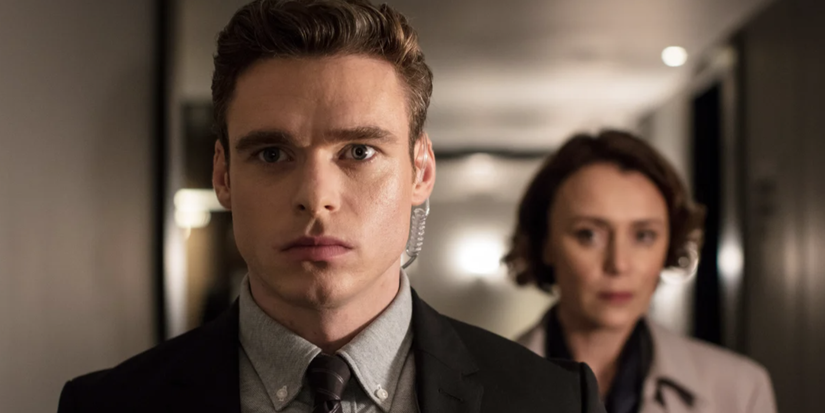
Gripping from its very first scene—a 20-minute real-time hostage sequence aboard a train—Bodyguard does some incredibly bold and innovative things with its pacing, ensuring it is much more than just an action romp. The remainder of the miniseries follows war veteran David Budd’s (Richard Madden) service as the personal bodyguard to Julia Montague (Keeley Hawes), a conservative MP whose political ideals he loathes, leaving him conflicted about where his loyalties truly lie.
Famous for its monumental production budget, Bodyguard shines as a spectacle of action and tension on many occasions, but it offsets its frenzied, propulsive drive with sequences of slow-burn, psychological tension. Creator Jed Mercurio uses these juxtaposing narrative rhythms brilliantly to create a sense of unpredictability that feeds the series’ sense of explosive excitement and politically-minded drama. Its ability to maintain suspense and awe throughout the entirety of its six-episode run ensures Bodyguard extracts an addictive and absorbing watchability from its pacing alone.
6 'Band of Brothers' (2001)
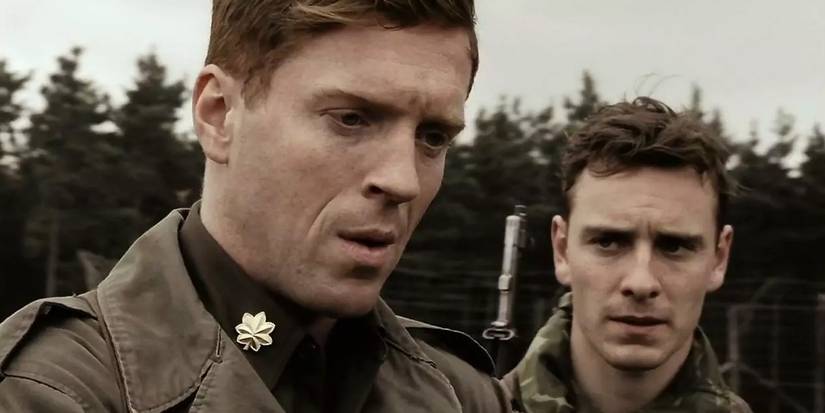
Heralded by many as being the greatest miniseries of all time, it is no surprise that Band of Brothers masters the craft of narrative pacing. Following the soldiers of Easy Company in their grueling progression through the European Theater of WWII, the 10-part miniseries could easily have become a monotonous and repetitive depiction of combat, but under the careful creative eye of Steven Spielberg and Tom Hanks, it smartly shifts the pacing as it proceeds to complement both the exhausting campaign and the growing emotional bonds between the characters.
From the first episode’s exceptional ability to use a strenuous training program to establish character dynamics, to the middle episodes’ immersion in the chaotic hell of combat, and then to the latter installments’ sense of psychological duress as the war comes to a close, Band of Brothers adjusts its tempo masterfully across its 10-episode run. Switching between slow and measured, weighted and dramatic, and ferocious and brutal, its pacing is instrumental in making the miniseries such a beloved and ageless triumph of the format.
Collider Exclusive · Sci-Fi Survival Quiz Which Sci-Fi World Would You Survive? The Matrix · Mad Max · Blade Runner · Dune · Star Wars
Five universes. Five completely different ways the future went wrong — or sideways, or up in flames. Only one of them is the world your instincts were built for. Eight questions will figure out which dystopia, galaxy, or desert wasteland you'd actually make it out of alive.
💊The Matrix
🔥Mad Max
🌧️Blade Runner
🏜️Dune
🚀Star Wars
01
You sense something is deeply wrong with the world around you. What do you do? The first instinct is often the truest one.
02
In a world of scarcity, what resource do you guard most fiercely? What we protect reveals what we believe survival actually requires.
03
What kind of threat keeps you up at night? Fear is useful data — if you're honest about what you're actually afraid of.
04
How do you deal with authority you don't trust? Every dystopia has a power structure. Your approach to it determines everything.
05
Which environment could you actually endure long-term? Survival isn't just tactical — it's physical, psychological, and very much about where you are.
06
Who do you want in your corner when things fall apart? The company you keep is the clearest signal of who you actually are.
07
Where do you draw the line — if you draw one at all? Every survivor eventually faces a moment that tests what they're actually made of.
08
What would actually make survival worth it? Staying alive is one thing. Having a reason to is another.
Your Fate Has Been Calculated You'd Survive In…
Your answers point to the world your instincts were built for. This is the universe your temperament, your survival instincts, and your particular brand of stubbornness were made for.
The Matrix
You took the red pill a long time ago — probably before anyone offered it to you. You're a systems thinker who can't help but notice the seams in things.
- You're drawn to understanding how the system works before figuring out how to break it.
- You'd find the Resistance, or it would find you — your instinct for spotting constructed realities is the machines' worst nightmare.
- You function best when you have access to information and the freedom to act on it.
- The Matrix built an airtight prison. You'd be the one probing the walls for the door.
Mad Max
The wasteland doesn't reward the clever or the well-connected — it rewards those who are hard to kill and harder to break. That's you.
- You don't need comfort, community, or a cause larger than the next horizon.
- You need a vehicle, a clear threat, and enough fuel to outrun it — and you're good at all three.
- You are unsentimental enough to survive that world, and decent enough — just barely — to be something more than another raider.
- In the wasteland, that distinction is everything.
Blade Runner
You'd survive here because you know how to exist in moral grey areas without losing yourself completely.
- You read people accurately, keep your circle small, and ask the questions others prefer not to answer.
- In a city where humanity is a legal designation rather than a feeling, you hold onto something that keeps you functional.
- You're not a hero. But you're not lost, either.
- In Blade Runner's world, that distinction is everything.
Dune
Arrakis is the most hostile environment in the known universe — and you are precisely the kind of person it rewards.
- Patience, discipline, and political awareness are your core strengths — and on Arrakis, they're survival tools.
- You understand that the long game matters more than any single victory.
- Others come to Dune and are consumed by it. You'd learn its logic and earn its respect.
- In time, you wouldn't just survive Arrakis — you'd begin to reshape it.
Star Wars
The galaxy far, far away is vast, loud, and in a constant state of violent political upheaval — and you wouldn't have it any other way.
- You find meaning in being part of something larger than yourself — a cause, a crew, a rebellion.
- You'd gravitate toward the Rebellion, or the fringes, or whatever pocket of the galaxy still believes the Empire's grip can be broken.
- You fight — not because you have to, but because standing aside isn't something you're capable of.
- In Star Wars, that willingness is what makes all the difference.
5 'Dekalog' (1989)

Unfurling as an interlinked anthology revolving around the lives and moral dilemmas of the occupants of a housing complex in 1980s Poland, Dekalog stands as an underrated gem of international television that offers poignant and grounded drama. With each episode inspired by thematic ties to one of the ten commandments, the miniseries takes extreme care in dissecting both obstacles people face in everyday life and internal crises of character and principle.
While it maintains a slow and focused tempo, Dekalog does achieve a sense of weighted momentum that mimics the feeling of life’s unrelenting nature. Furthermore, Krzysztof Kieślowski’s razor-sharp writing and direction ensure every single scene of the series is working in service of the overarching moral dilemmas or delving into the intricacies of the characters. Complimented by a sparse yet absorbing atmosphere of minimalistic yet striking visuals and a sense of voyeuristic intimacy, Dekalog excels as one of the most purposefully paced limited series of all time.
4 'Pride and Prejudice' (1995)
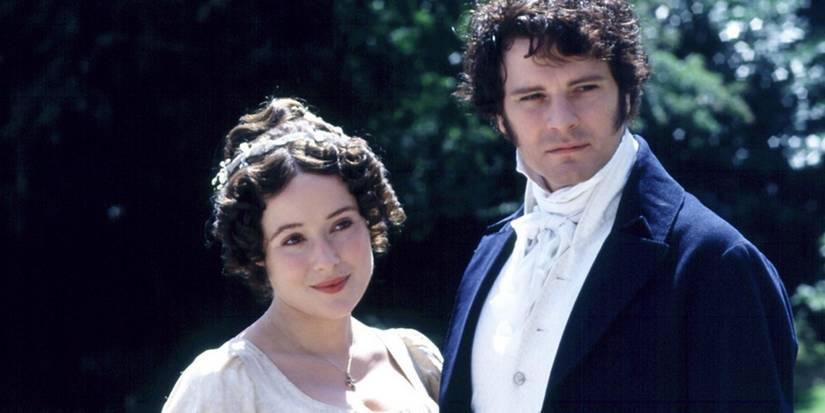
Jane Austen’s classic novel has been adapted to the screen multiple times over the years, and while there have been plenty of impressive versions of the story, it is difficult to look past the BBC’s 1995 miniseries production as being the best and most akin to the source material. Told over the course of six episodes, Pride and Prejudice is allowed to unwind with a wafting and languid patience that many of the film adaptations simply can’t match.
This quality not only makes it the closest screen adaptation in terms of tone and tempo to Austen’s novel, but it also permits each distinct phase of the story time to breathe while preserving the intricacies and nuances of the subplots. The slowness of the miniseries finds a romantic gravitas in this rhythm as well, one that sees both Elizabeth Bennet (Jennifer Ehle) and Mr. Darcy (Colin Firth) explored in all their depth, and the shifting dynamic of their relationship evolve with an organic, measured substance.
3 'Station Eleven' (2021)
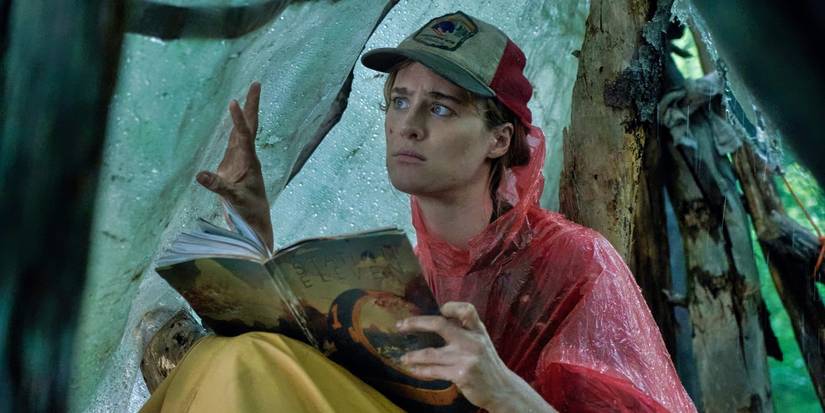
A victim of appalling timing as a post-apocalyptic drama released at the height of the COVID-19 pandemic, Station Eleven marks one of HBO’s most underappreciated releases and a true hidden gem of 2020s television. Based on Emily St. John Mandel’s novel of the same name, it follows an acting troupe venturing around the ruins of civilization 20 years after a devastating flu virus decimated mankind.
Noteworthy for its air of gentle optimism as it emphasizes traits of community, connection, and artful beauty, Station Eleven is perhaps unrecognized for how astute its narrative pacing is, especially as it revels in a non-linear, almost mosaic structure that flips between the quiet stillness of the dystopian world and the chaotic terror of the virus’ outbreak. Complimented by its rhythmic editing and score, and its commitment to extracting drama from character development, Station Eleven is a miniseries of storytelling precision that uses its concentrated tempo to deliver one of the more emotionally gratifying viewing experiences of the format in the past decade.
2 'Sharp Objects' (2018)
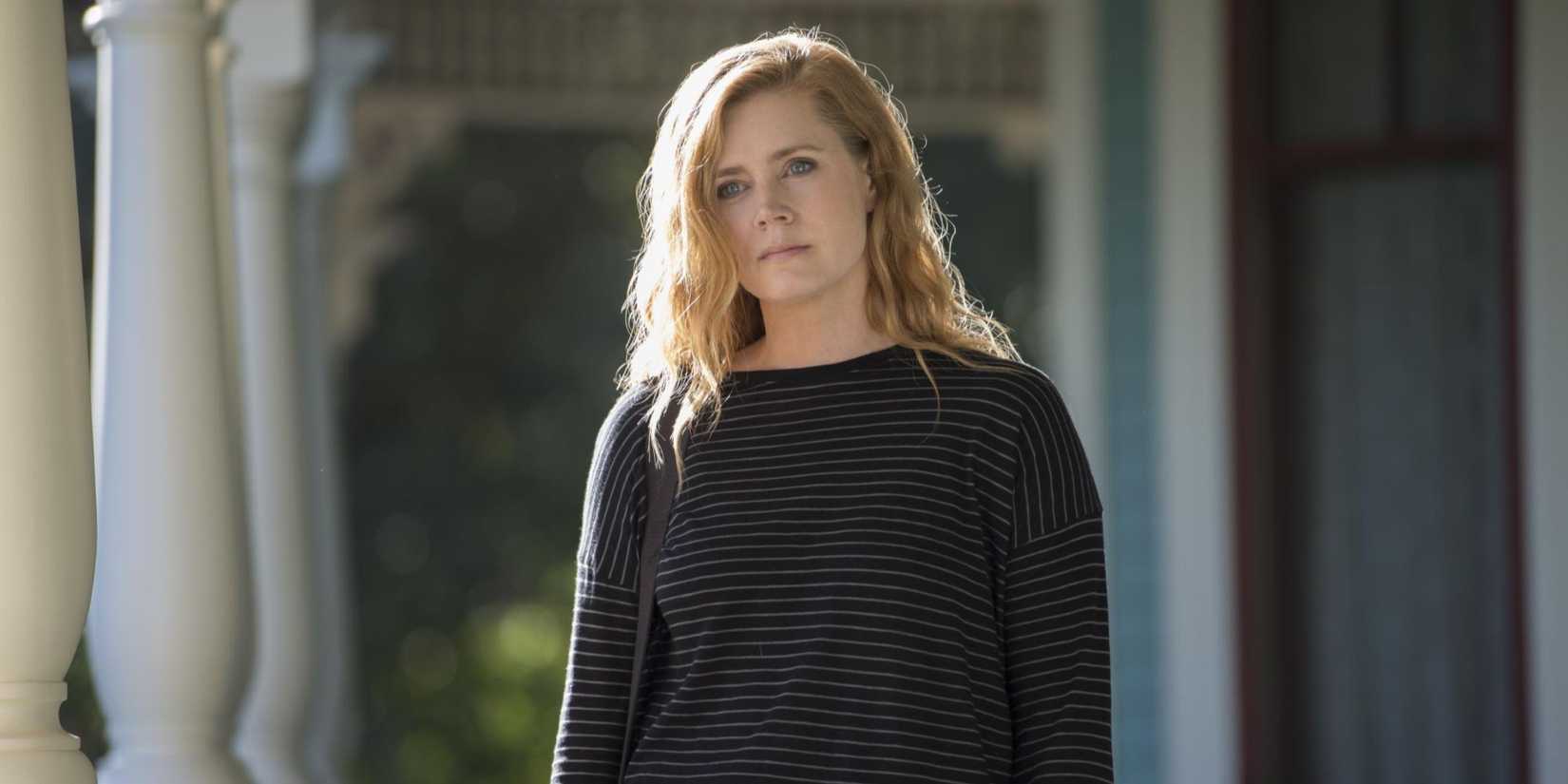
Perhaps the greatest example of atmospheric intensity television has ever seen, Sharp Objects basks in the Southern Gothic eeriness and suffocating humidity of the Missouri heat while delivering an agonizing slow-burn mystery. Based on Gillian Flynn’s debut novel, it follows jaded crime reporter Camille Preaker (Amy Adams) as she returns to her hometown to investigate the murders of two young girls. Not only is she engulfed in the vicious brutality of the crimes, but she must also navigate her past traumas as she is reunited with her complex family.
Director Jean-Marc Vallée uses the visceral environment to masterful effect while also using distinct ambient noises and music cues to embed viewers in the sweltering discomfort of Preaker’s journey. The narrative tempo is instrumental in this regard too, with the miniseries using its meticulous pacing to allow the psychological suspense and Camille’s internalized trauma to simmer as two of the story’s most arresting qualities. Complimented by the horrific plot twists of Flynn’s novel, Sharp Objects is a masterclass in patient tension that crawls under the viewer’s skin.
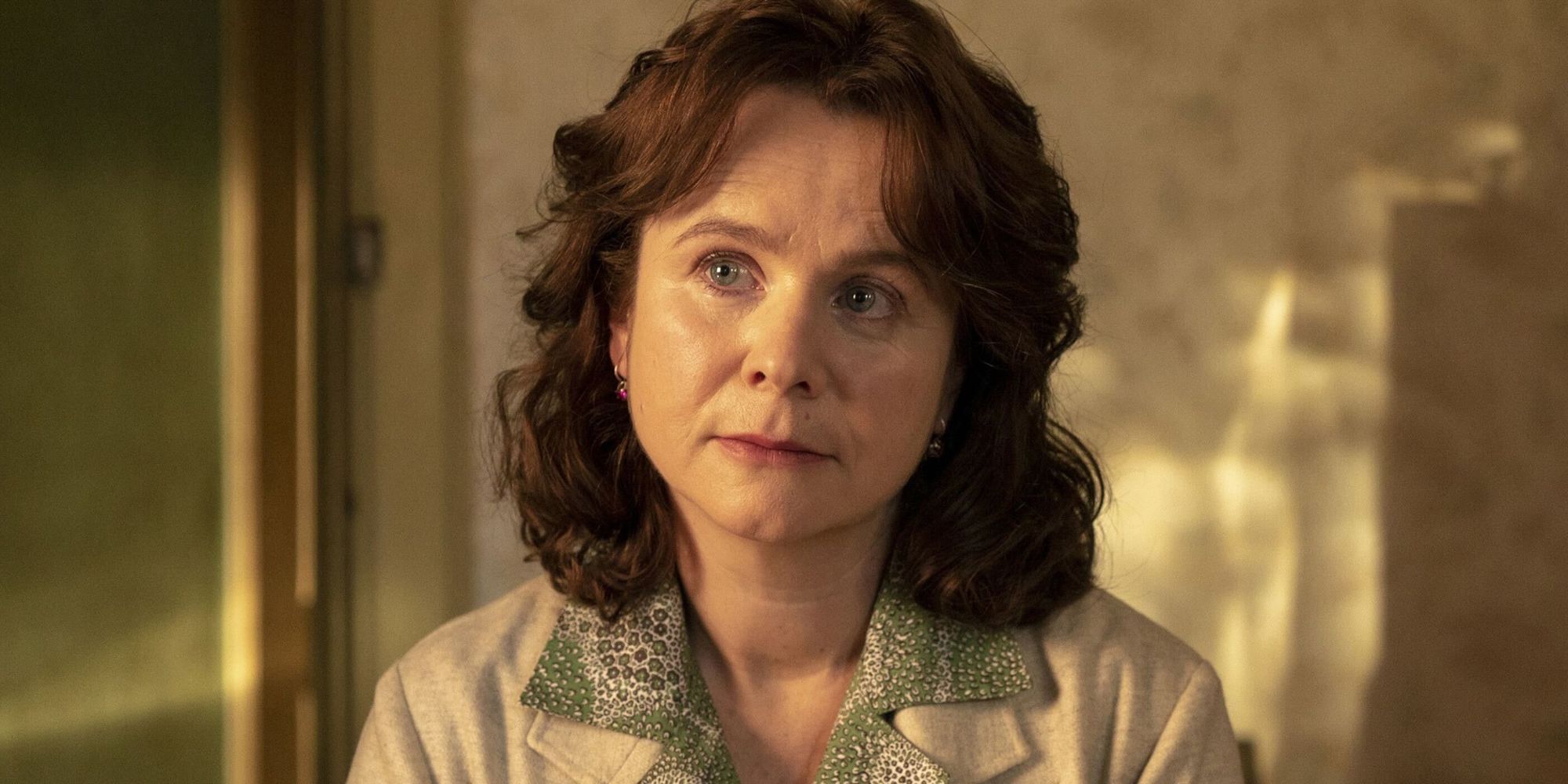
1 'Chernobyl' (2019)
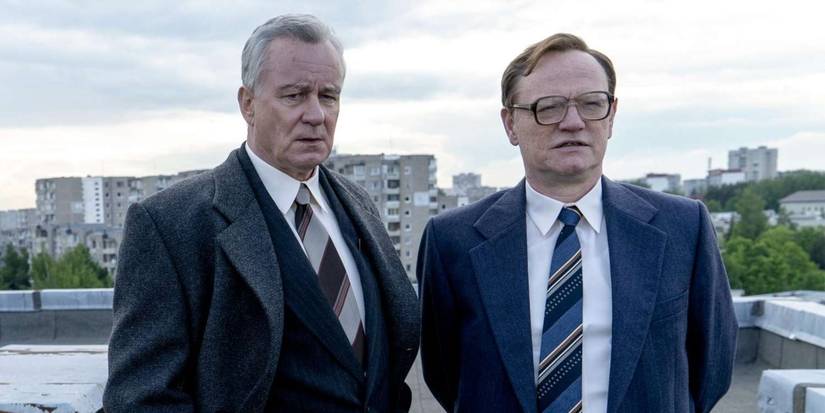
Marrying its slow-burn psychological intensity with a sense of clock-ticking urgency, Chernobyl is a miraculous feat of narrative pacing that oscillates between frenzied panic and festering dread with expert precision. Dramatizing the Chernobyl nuclear power plant disaster of 1986, the five-part miniseries explores the immediate aftermath of the reactor meltdown as well as the excruciating containment efforts, the logistics of the clean-up operation, and the political corruption that both allowed the catastrophe to happen and tried to conceal the severity of the incident from the rest of the world.
Chernobyl perfects the art of using slow, meditative shots as a means to conjure sickening angst, be it quiet moments as characters stare at the glowing sky or the agony of waiting for test results. While this is exceptional in its own right, it also imbues the miniseries’ eruptions of high-stakes action with a visceral immediacy. Flawlessly paced from its recreation of the disaster to the courtroom suspense that dissects the scientific, legal, and bureaucratic causes of the incident, Chernobyl is the pinnacle of narrative rhythm in the limited series format.
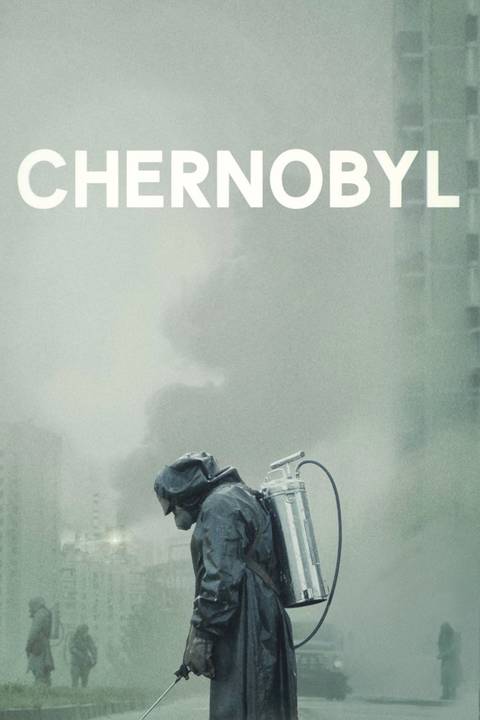
Chernobyl
- Release Date
- 2019 - 2019
- Network
- HBO
- Showrunner
- Craig Mazin
- Directors
- Johan Renck
KioskNews shows a cleaned-up reading view extracted from the publisher’s page — the original always lives on their site, not ours.