After SALEX tree-cutting, critics see worse traffic, health, heritage loss
Already have Rappler+?
to listen to groundbreaking journalism.
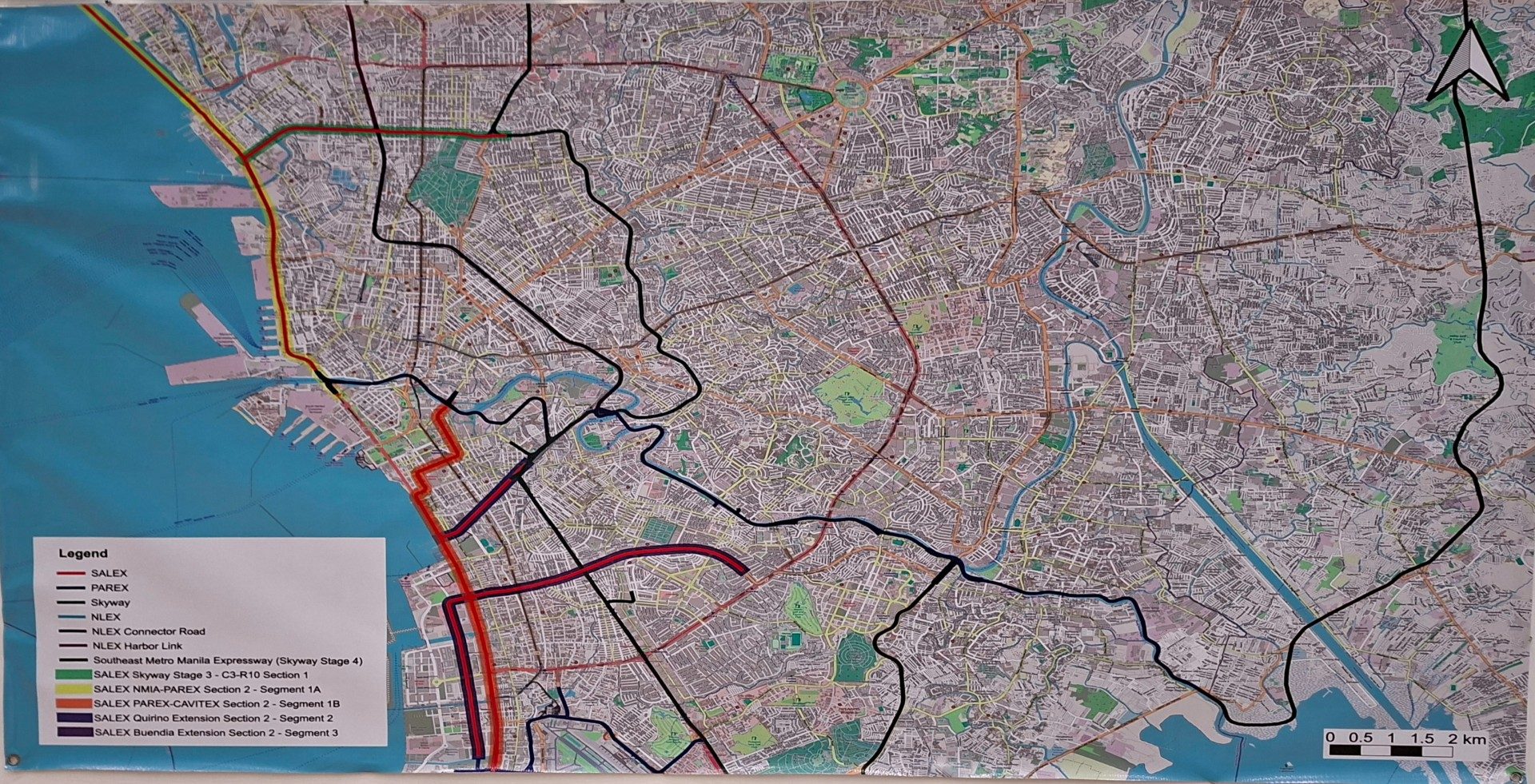
PHILIPPINE EXPRESSWAY MAP. The Stop SALEX Movement has released an open map on existing and proposed expressways in the country.
Photo by Lance Ariel Bustos
Transportation advocates lay out potential risks posed by proposed expressways, including the controversial SALEX
AT A GLANCE
- Advocacy groups criticize the proposed Southern Access Link Expressway (SALEX) and other elevated expressways in the Philippines, questioning the need for more infrastructure when other cities are removing similar projects.
- The total valuation of existing and proposed expressways is at least P2.7 trillion, with a significant portion being unsolicited projects that lack competitive bidding, raising concerns about transparency and community impact.
- Experts warn that the SALEX project poses risks to traffic, health, and heritage sites, potentially worsening urban conditions and threatening cultural landmarks, prompting calls for sustainable alternatives and preservation efforts.
This is AI-generated. Read the article for full context. Report any errors.
MANILA, Philippines – Groups criticized proposals for new, elevated expressways, showing new research and a map of the expansive existing and proposed projects with a total valuation of at least P2.7 trillion.
“Why are we building and approving more elevated expressways in the Philippines when other progressive cities are tearing them down?” asked Ken Abante of the Move As One Coalition in Filipino during their online press conference, also joined by the Stop SALEX Movement and other advocates, on Wednesday, September 16.
While the minimum valuation of the projects is at P2.7 trillion, the number rises to P3.4 trillion if bridge projects are included. The number is based on declarations made by project proponents, so the final values may still vary upon confirmation of “appropriate government institutions and third parties.”
The groups also discovered that P1.6 trillion of the P2.7 trillion covers unsolicited projects and involves “little to no” competitive bidding processes. Unsolicited projects are project proposals “made by a private proponent.”
These groups likewise called attention to the proposed Southern Access Link Expressway (SALEX) project and its potential risks to affected communities and the environment, calling for an end to its construction.
They warned that the 40.62-kilometer expressway not only worsens traffic and affects its nearby surroundings, but also endangers and damages historical heritage sites, as it passes through major cultural and national structures.
The project forms part of a broader network of expressways planned to provide access to several major roads and transport routes. It includes access to the proposed New Manila International Airport in Bulacan.
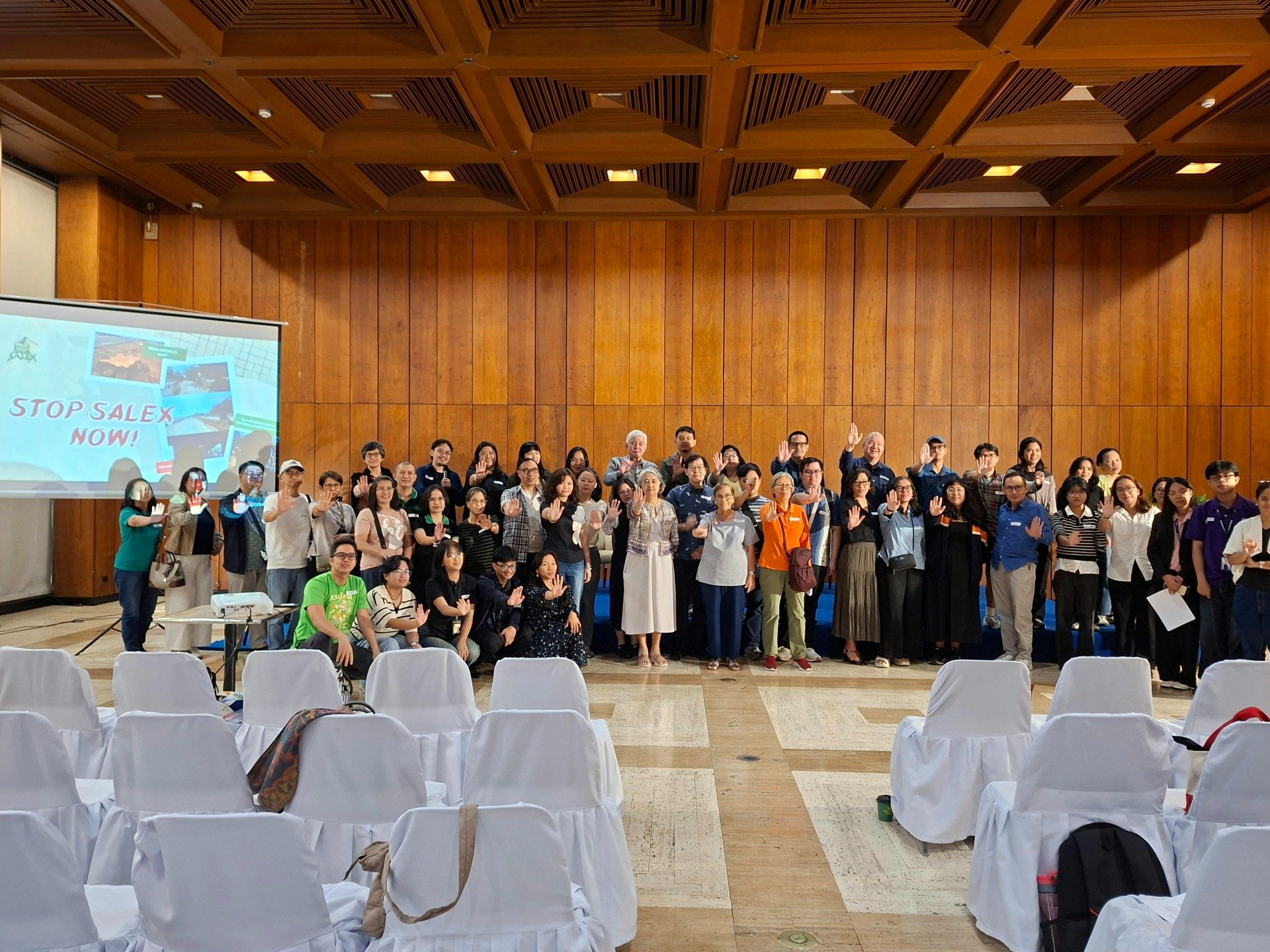
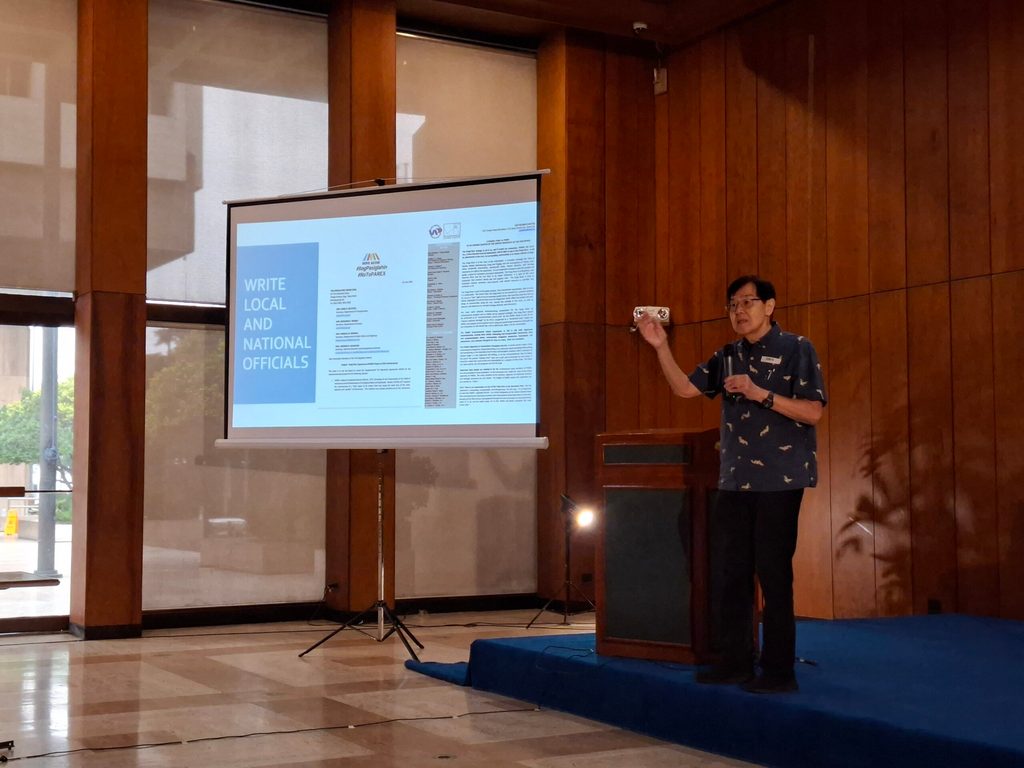
Prior to the conference, the group, along with experts in architecture and urban mobility, also convened at the Stop SALEX Movement forum at the Ramon Magsaysay Center on September 12, raising similar concerns about traffic, health and the environment, and heritage.
Risks to traffic, health, and environment
Sustainable mobility advocates said that adding more expressways fails to solve traffic due to the phenomenon of “induced demand.”
“When you have more and wider roads, you get more driving,” explained sustainable mobility advocate Robert Siy Jr. during the Stop SALEX Movement forum. “People take more trips and before long, you have worse traffic.”
Beyond traffic, Siy also pointed to potential health risks, especially to those living near such expressways. Potential risks include “constant noise and vibrations” due to SALEX construction and operations.
Multiple studies have linked prolonged exposure to noise-induced stress to various health risks, including higher blood pressure, greater risk for diabetes, and neuroinflammation.
In addition, paved roads could bring about extreme heat days due to the “urban heat island effect,” according to the group’s research.
The urban heat island effect is a phenomenon where the removal of vegetation and trees, and their replacement with impervious surfaces such as concrete and asphalt results in “significantly hotter” conditions in urban areas.
Such impervious surfaces also contribute to urban flooding, as the loss of vegetation and trees can result in partially submerged or completely impassable roads, leading to reduced accessibility.
In May 2026, 617 trees were marked for removal in Manila to make way for the SALEX project, prompting public backlash and uproar among environmental groups and experts.
Heritage sites affected, at risk
Heritage also became a point of discussion. Their research said that proposed and developing road projects should “account for their cultural costs so that heritage is not sacrificed for car-centric infrastructure.”
A heritage group, Members of Manileños for Heritage, has mapped out 50 cultural and historical sites that could be affected by the SALEX project. This includes Paco Park, Malate Church, the Elpidio Quirino Monument, and the Jose P. Laurel Foundation Building, among many other landmarks.
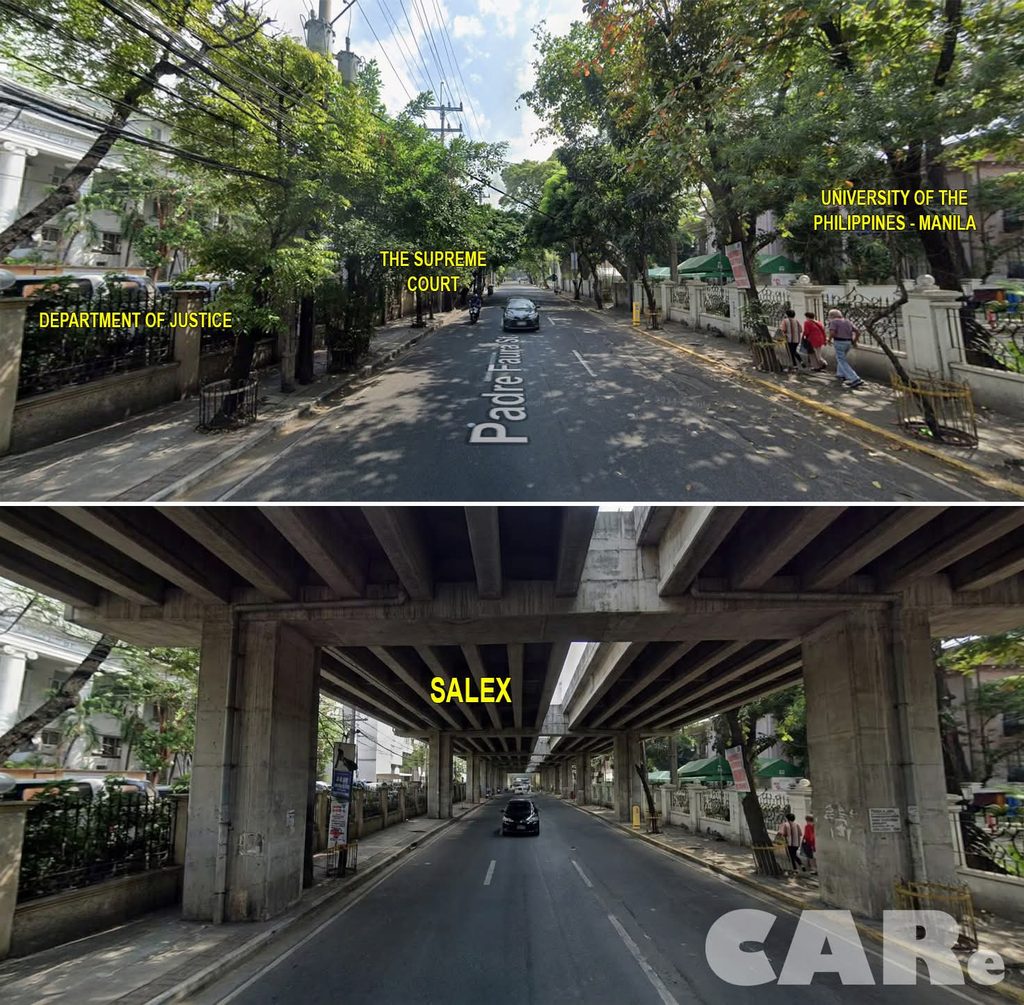
Architect and heritage advocate Dominic Galicia pointed out that the SALEX project could become obstructions to heritage sites and affect their surroundings by decreasing visibility.
“As we walk on Padre Faura with this giant expressway overheads cast a permanent shadow over what used to be trees, what used to be sun touching the surfaces of these heritage structures… You deprive the people of the natural experience of living and walking in a city,” Galicia said.
He also pointed out that it’s “a matter of livability” as to why these heritage structures should remain visible.
“We understand who we are by the place we occupy… If you wipe out the experience of being in these places, there is nothing to experience and there is less to remember until we will no longer know who we are,” Galicia said.
The movement has also coordinated with members of the academe, particularly with Adamson University.
On June 30, the Adamson University community called for the protection of green spaces and heritage sites, with students and administrators protesting against SALEX as it will pass through the campus on San Marcelino St. in Manila. The university is considered a historical site by the National Historical Commission of the Philippines. – Lance Ariel Bustos/Rappler

Lance Ariel Bustos is a campus journalist from Santa Rosa City, Laguna, studying Political Science and Philippine Media Studies at De La Salle University Manila. An Aries Rufo Journalism Fellow for 2026, he is an editor-at-large of The LaSallian.
KioskNews shows a cleaned-up reading view extracted from the publisher’s page — the original always lives on their site, not ours.