NEW MARKETS: South African citrus exporters juice up their India ambitions
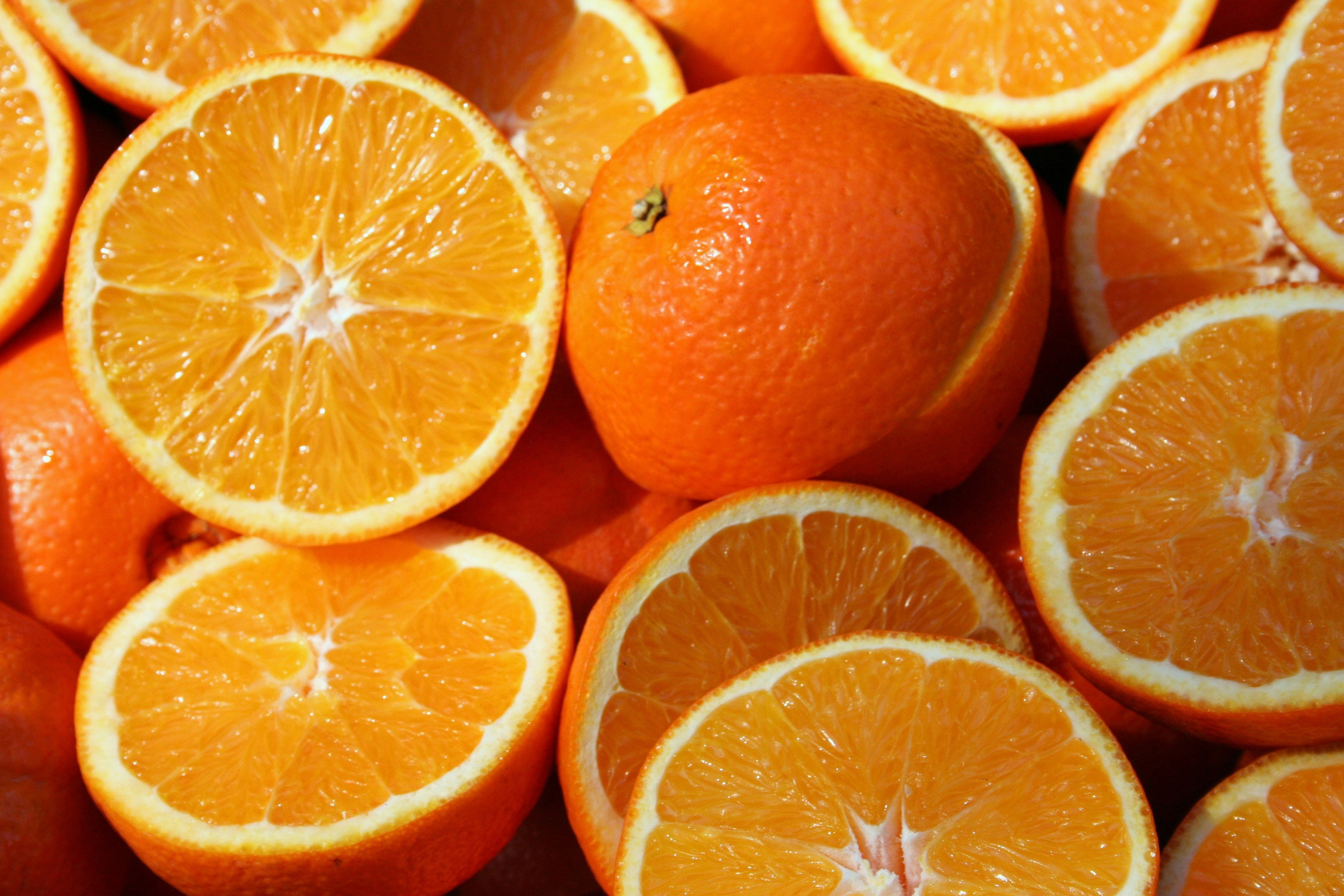
South Africa has widened its citrus export route into India, giving growers more flexibility to supply a market of 1.47 billion people as African producers look beyond traditional destinations.
The move comes as established exporters diversify their markets and newer citrus operations in Zimbabwe and Botswana expand production, processing and export capacity.
India approved additional fruit-fly cold-treatment options for fresh South African citrus on 18 August after almost a decade of negotiations between the two countries.
The Citrus Growers’ Association of Southern Africa (CGA) and South Africa’s Department of Agriculture said the additional protocols would improve fruit quality and give exporters greater logistical flexibility.
South Africa already exports citrus to India, but trade has accelerated sharply. Export volumes rose 85% in 2025, with shipments increasing from just under 4,000 pallets in 2016 to about 54,000 pallets last year, according to the CGA.
India’s scale gives the market further importance. Its population is about 1.47 billion, and South Africa’s counterseasonal production allows its growers to supply fruit when domestic Indian production is lower.
Tariffs remain a constraint. South African citrus faces Most-Favoured-Nation duties of about 25% to 30% in India, putting it at a disadvantage to southern hemisphere competitors that have preferential trade arrangements.
The need for wider markets has become more pressing as South Africa enters a difficult 2026 export season. The CGA on 24 August cut its citrus export estimate to 197.9 million 15kg cartons, from an opening forecast of 209.4 million cartons.
/file/attachments/2997/20South_Africa_opens_a_wider_citrus_route_into_India_as_African_exporters_diversify_534658.jpg)
The revised forecast includes 58 million cartons of Valencia oranges and 24.3 million cartons of Navels, down about 8% and 19%, respectively, from the initial estimates.
The CGA attributed some of the pressure to the conflict in the Middle East, which has disrupted trade routes that normally carry South African fruit.
The disruption has also reduced the availability of empty containers, increased congestion at ports and pushed up shipping and logistics costs, according to the CGA.
For South Africa, market diversification is therefore becoming part of the industry’s wider growth strategy.
“Citrus remains South Africa’s leading agricultural export, accounting for 17% of SA’s US$15.1-billion in agricultural exports in 2025,” said Wandile Sihlobo, chief economist at the Agricultural Business Chamber of South Africa.
The sector employs more than 100,000 people, Sihlobo said, but future growth will depend on expanding export markets alongside improvements to ports and road infrastructure.
South Africa exported about 2.9 million tons of citrus in 2025, overtaking Spain as the world’s largest citrus exporter by volume.
But Sihlobo said the country’s existing markets could not be treated as permanent.
“We can’t take this for granted; we need to deepen exports to a range of countries across these regions,” he said, referring to markets across Africa, Asia, the UK, Middle East, Black Sea, Europe and the Americas.
/file/attachments/orphans/citrusflag_2000px_368226.jpg "Illustrative image: Sources generated with Google Gemini Flash Image 2.5")
Beyond South Africa
That search for markets is also reshaping citrus production elsewhere in southern Africa. Zimbabwe is expanding production and processing. The country recently commissioned a US$25-million citrus processing plant in Beitbridge through Orangeville, a company backed by businessman Simon Rudland.
The plant is expected to supply Schweppes Zimbabwe while also targeting wider southern African markets, adding processing capacity to a citrus industry that is increasing its exports.
Zimbabwe exported about 69.1 million kilograms of citrus in 2025, up 9% from 63.5 million kilograms in 2024, according to figures from the country’s horticulture industry. The country expects the citrus value chain to grow from about 347,000 tons in 2025/26 to 482,000 tons by 2030/31, with an export target of $84-million by 2030.
Botswana is pursuing a similar expansion through the Selebi Phikwe citrus project. Private investors announced a further 200-million pula (about R238-million) expansion in February, taking total committed investment to about 750-million pula.
Production is expected to rise to between 35,000 and 40,000 tons a year at full capacity, from about 27,000 tons currently.
The project is also being developed with export diversification in mind. Investors have identified the UAE, China and India as potential destinations where returns could be stronger.
Morocco provides another example of how African citrus exporters are adjusting their production and markets.
The country’s citrus production is forecast to remain broadly stable at about 2.091 million tonnes in 2025/26, but small citrus is taking a larger share of the crop.
Mandarin and tangerine production is forecast at 1.142 million tons, up 9.5% from the previous season.
Morocco is expected to export about 550,000 tons of mandarins and tangerines during the season.
The EU and Russia remain major destinations and exports to west African markets, including Senegal, Mauritania and Ivory Coast, continue to grow.
Competition in Europe, however, is tightening. Between September 2025 and February 2026, EU imports of Moroccan small citrus fell 13.6% year on year to 83,072 tons. Orange imports from Morocco fell 35.2% to 2,707 tons.
Over the same period, EU imports of small citrus from outside the bloc rose 31.4% to 398,617 tons. SA supplied 116,144 tons, up 33.3%, Egypt supplied 38,480 tons and Turkey 102,369 tons.
Morocco is responding by expanding processing capacity.
Orange juice production is forecast to increase in 2025/26 as new capacity comes online, and lemon and lime exports remain focused largely on west African markets. Bird Story Agency / DM
KioskNews shows a cleaned-up reading view extracted from the publisher’s page — the original always lives on their site, not ours.