‘123456’ has been the world’s most popular password for 7 out of the last 8 years
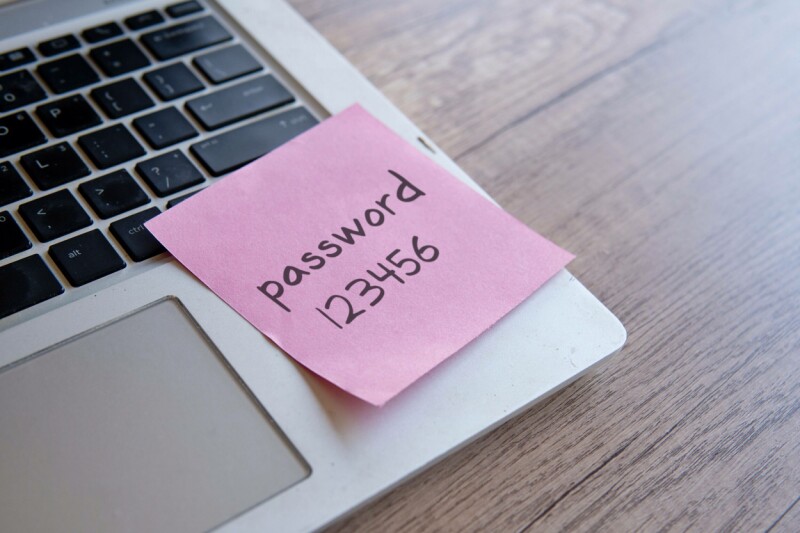
It’s been eight years since NordPass released the first edition of its most common passwords of the year list, and the world has learned nothing about password security in the meantime.
NordPass’ eighth edition of its most common passwords list, as culled from data breaches, was released Monday, and it looks suspiciously like the previous ones in the worst possible way.
“Once again, ‘123456’ is the most commonly used password in the world,” NordPass said in the report. “That makes it seven out of eight years this password has stood at the top of the leaderboard.”
REG AD
Even when 123456 wasn’t number one, it was still near the top of the heap, as the top three passwords in the list remain unchanged in the eight years NordPass has published its list: 123456, admin, and 12345678. It’s not like the rest of the most common passwords are showing any variety either.
REG AD
According to NordPass, the only real shuffling among the 10 most popular passwords was the entry of the worryingly short 1234 into the top ten and the migration of the ever-popular password “password” down slightly in the top 10 from 6th to 7th place.
“We still have a lot of work to do to spread awareness about password safety,” NordPass concluded of that data – and there’s no more pressing time than the present.
AI adoption has made password cracking an easier exercise than ever, with more credentials being sucked up in more data breaches at a faster pace. AI has also made cracking hashed passwords a snap too. In other words, if you’re reusing a password that’s been exposed in a breach, even if it’s just a hash that was exposed, you’re more likely than ever before to have another account compromised.
The best advice NordPass gives is to move away from passwords toward biometric authentication or passkeys and you're insane not to enable MFA.
But for the places you still have to use passwords, there are a few things to avoid – like the 200 passwords in NordPass’ list, for example.
Beyond that, NordPass also recommends steering clear of pop cultural trends.
“Fandoms make for terrible passwords,” NordPass notes. There are several reasons for that – namely the fact that they follow trends, meaning that “minecraft” password in the early 2000s was a simple one to add to a password stuffing dictionary, just like “skibiditoilet” in recent years.
The one thing that connects all those pop-culture passwords is that “they all could be cracked in seconds,” NordPass said.
REG AD
We’re sure our readers are conscientious about their online habits, carefully protecting their accounts with the proper security measures and ensuring each and every password is unique, long, complicated, and random. Unfortunately for you smarties reading El Reg, the person down the hall whose security you’re responsible for may not be so disciplined, so be sure you’re enforcing good practices – Nord knows the average user just isn’t doing it despite years of begging and reminders. ®
KioskNews shows a cleaned-up reading view extracted from the publisher’s page — the original always lives on their site, not ours.