Northern Metropolis land clearance linked to surge in stray animals, study finds
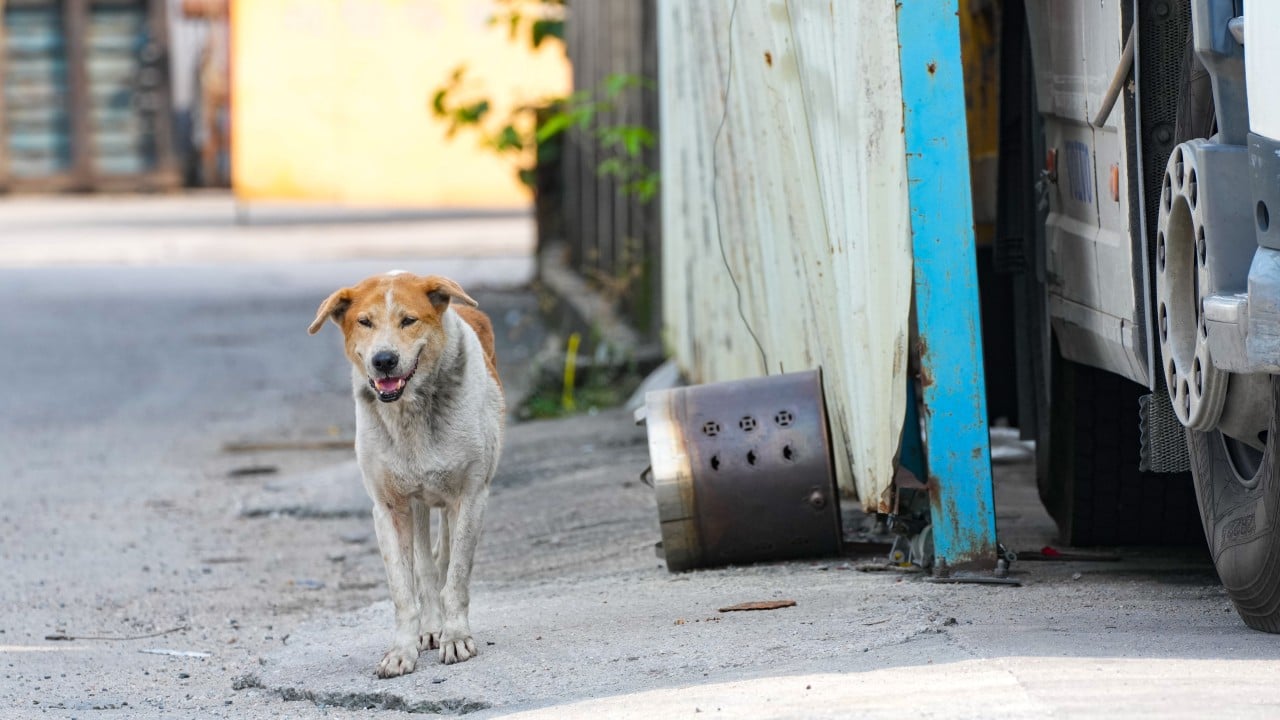
Over 40 per cent of stray animals taken in by shelters in Hong Kong in the first half of the year came from the Northern Metropolis development area, a study has found, with volunteers warning that more than 1,000 face abandonment as land resumption accelerates.
The Animal Welfare Advocacy Alliance, which released the findings on Monday, called for a review of euthanasia policies, the relaunch of a “trap-neuter-resettlement” programme, and the introduction of a positive duty of care for companion animals.
The pro bono study, conducted by Dr Kelvin Lam Ka-wang of Baptist University and Associate Professor Paul Wong Wai-ching of the University of Hong Kong, analysed intake records from six non-governmental animal rescue organisations between January and June.
Of the 568 rescued dogs and cats admitted to the six shelters, 236 animals – or 41.5 per cent – were traced directly to sites within the footprint of the government’s Northern Metropolis megaproject.
The six shelters taking part were Paws Guardian Rescue Shelter, Love Adopt Animal Society, Home for Homeless Dog, Stray Paw Alliance, The Turtle’s Inn and an independent shelter run by a volunteer named Irene Lau.
April Yip, founder of Home for Homeless Dog, warned that volunteer-run facilities were already operating beyond maximum capacity.
“The frontline volunteers are worn out and exhausted; we’re at the end of our tether, but we are receiving a lot of [requests for help] from Hung Shui Kiu and Ha Tsuen,” Yip said, referring to the two areas covered in the next phase of land resumption.
She said it could mean animals hiding in the area would lose their homes, and that if they were not neutered, it could create “more than 1,000” stray animals.
The Northern Metropolis megaproject aims to redevelop about 30,000 hectares (74,132 acres) of land, or about one-third of Hong Kong, into a technology hub by resuming land from existing residents and business operators.
The South China Morning Post reported a surge in abandoned animals in the area in July, as many residents and business operators left behind pets or guard dogs ahead of government clearance deadlines.
The study also found that 86 per cent, or 492 of dogs and cats, admitted into shelters in the study were mixed breeds, while 491 of them had not been neutered. Some 235 had apparent health concerns such as illnesses or injuries.
The alliance said the rate of humane euthanasia remained high and that killing should not be an option when alternatives were available. It proposed a euthanasia rate of 20 per cent or below within two years, with the figure subject to review annually.
It also proposed establishing more practical animal welfare organisations with vets and trainers, and prioritising non-lethal measures such as neutering, rehoming and resettlement.
As most animals admitted to shelters had not been neutered and many were kittens or puppies, it also suggested relaunching the “trap-neuter-resettlement” programme, with plans for an integrated stray animal centre providing shelter, education, training, and international exchange.
Another recommendation was to introduce a positive duty of care for companion animals and improve the dog microchipping system to prevent surrender, abandonment and inadequate care at source, while stepping up enforcement.
The team said that the initial plans were to release the study findings after a year, but they decided to put together a half-year version due to the numerous incidents related to stray animals recently, with the issue drawing widespread attention.
In August, a 60kg (132lbs) large brown dog of unknown breed that was nearly two feet (60cm) tall fatally mauled a poodle and a bichon frise, both smaller, in different attacks within 20 minutes in Yuen Long.
Days later, the owner of pet training facility and pet hotel Pawsgate in Ping Yeung Tsuen in Ta Kwu Ling was attacked by a 30kg canine suspected of being a mixed-breed fighting dog and was later found dead.
KioskNews shows a cleaned-up reading view extracted from the publisher’s page — the original always lives on their site, not ours.