Met Office explains why the UK felt so cold this weekend and when it will get warmer again
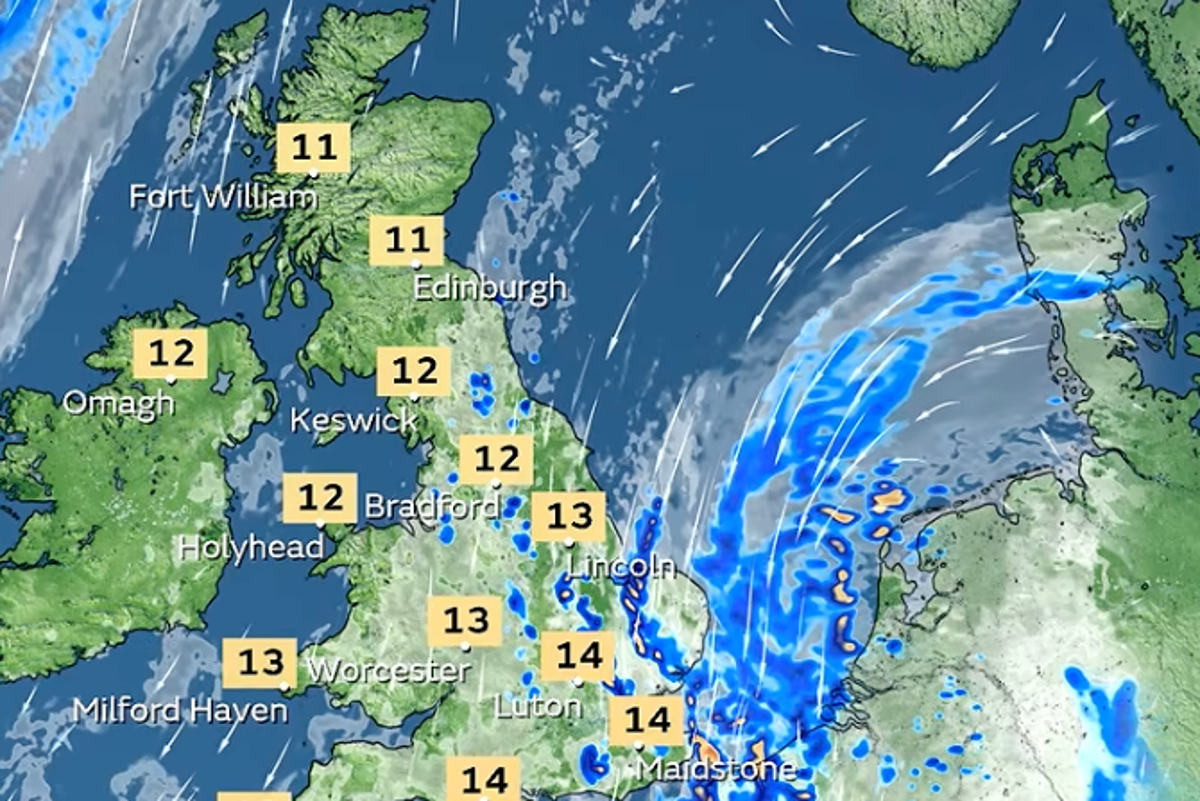
The weather was noticeably cooler this weekend, as experts point to high pressure building from the west.
Saturday began on a rather chilly note, with a touch of frost spotted across Scotland, Northern Ireland and some rural areas of England. Most cities woke up to temperatures just above freezing.
It’s a stark contrast to the scorching weather that made September the fourth warmest on record – with a mean average temperature of 14.6C.
Despite sunny spells breaking through the clouds, temperatures on Saturday ranged from 11 to 14C – and felt “that bit more autumnal” in the breeze, according to the Met Office.
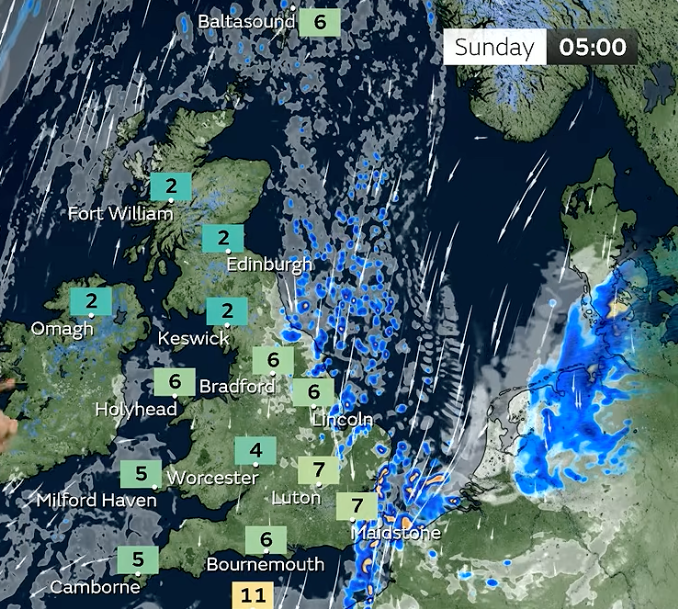
Conditions were similar on Sunday, with an increased risk of showers and longer spells of rain towards the south east. Temperatures remained widely between 11-14C.
“I think we will really feel the difference compared to the milder, warmer weather that we’ve had through a large chunk of [last] week,” weather forecaster Alex Burkill said .
Why was the UK so cold this weekend?
According to the UK Met Office, the change was driven by high pressure building from the west, while cooler air moved across the UK.
“The exact source of the air will change somewhat as the position of the high-pressure changes through the weekend,” the weather forecaster said.
“However, relatively chilly air will remain close to many areas, with somewhat milder conditions reaching the northwest later.”
Will the UK get warmer?
High pressure is expected to remain influential into the start of this week, meaning conditions will stay largely dry. However, light rain could still affect eastern areas and there may be more clouds.
The Met Office says there are signs of a change around the middle of the week, with lower pressure potentially bringing “wetter and windier weather” – particularly across western areas. Eastern parts of the country are expected to see less rain and lighter winds.
The current forecast for the weekend gives similar temperature ranges, with slightly warmer mornings.
Is El Niño impacting UK weather?
The Met Office has warned that this year’s El Niño could be the biggest in living history, as temperatures in the Pacific ocean continue to intensify.
During large El Niño events significantly more heat is released from the ocean to the atmosphere – leading to an increase in global average temperature. This increases the likelihood of extreme weather around the world – particularly in the tropics.

In the UK, these weather effects are less severe.
“We expect the influence of El Niño to start to increase the chances of wetter, stormier conditions for NW Europe, including the UK, in the coming autumn and early winter,” the Met Office said.
KioskNews shows a cleaned-up reading view extracted from the publisher’s page — the original always lives on their site, not ours.