3 dead, 23 trapped in Indonesia after illegal gold mine floods
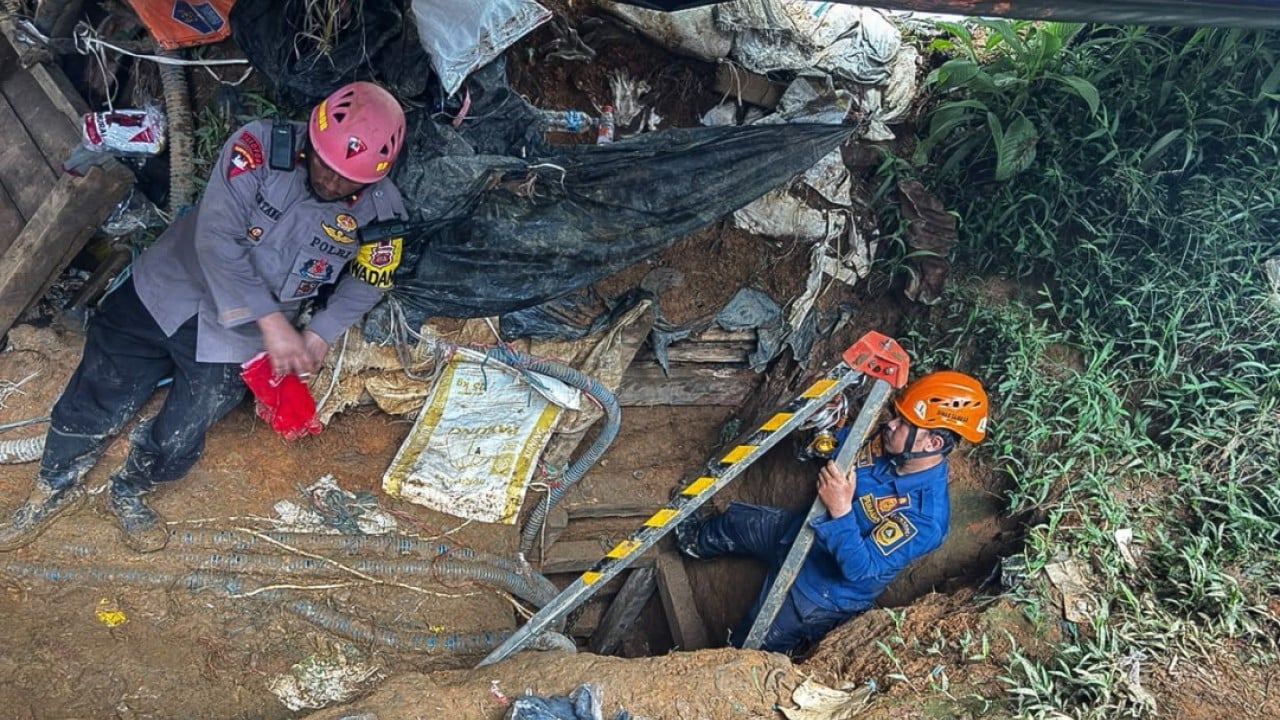
Rescuers recovered three bodies on Wednesday and searched for 23 other miners believed trapped by flooding more than a day earlier in an unauthorised gold mine in Indonesia.
The miners were digging for grains of gold late on Monday when heavy rain caused the nearby Ciseureuh River to overflow into a mine shaft in Bogor regency of West Java province.
The shaft, estimated to be about 100 metres (330 feet) deep, is located in a mountainous area south of the capital, Jakarta.
Eleven miners escaped from one section of the excavation before floodwaters filled the shaft, West Java police spokesman Hendra Rochmawan said. Local miners and residents initially tried to pump water from the site themselves before the situation became unmanageable.
Authorities were not immediately notified because the miners were operating illegally, officials said.
“The problem was that nobody reported it and nobody wanted to report it because the activity was illegal,” said M. Adam Hamdani, head of emergency and logistics at the Bogor disaster mitigation agency.
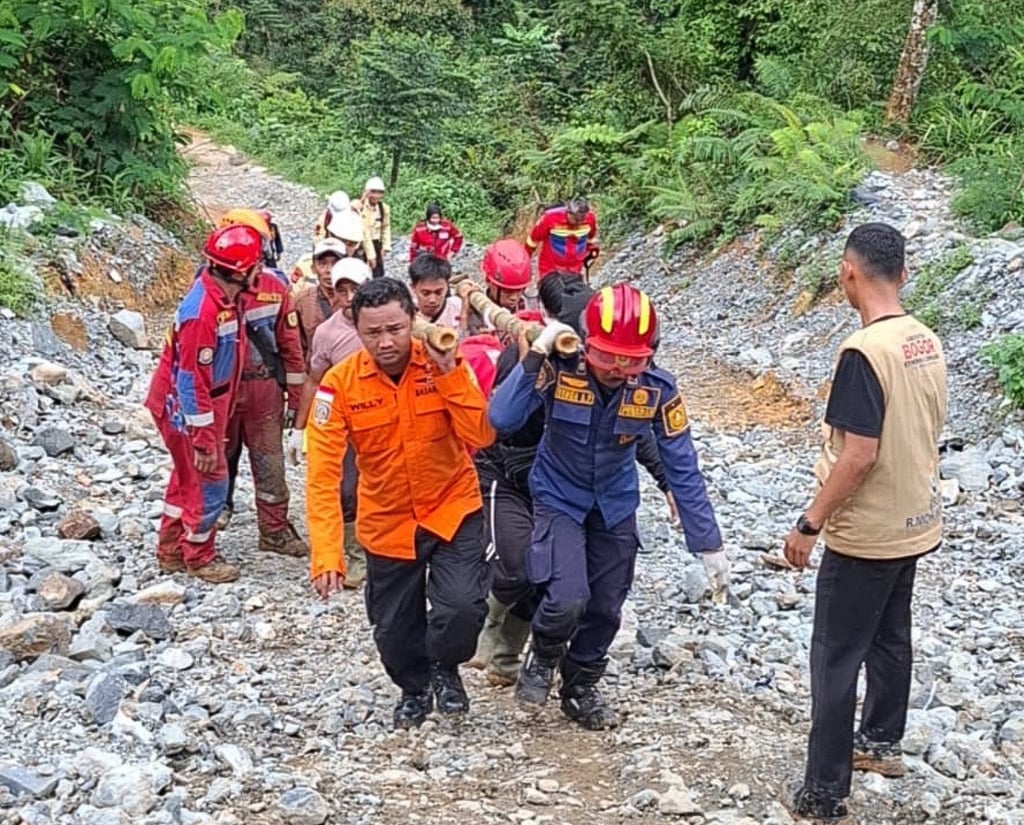
Rochmawan said police first received reports of trapped miners about 16 hours after the flooding had occurred.
After an initial assessment by local authorities, firefighters and other agencies, state-owned mining company Antam forwarded a formal report to the Jakarta Search and Rescue Agency shortly after midnight on Wednesday, triggering a full-scale rescue operation.
The search-and-rescue team used submersible water pumps to suck water from the hole and tried to close off openings where groundwater seeped in.
“Water inside the hole has not yet receded and is expected to take a long time to drain,” Jakarta Search and Rescue Agency chief Desiana Kartika Bahari said. She said high water levels, narrow access, slippery terrain and limited lighting complicated rescue efforts.
The first victim was recovered shortly after midday, followed by two others about an hour later. All three were found dead at depths of 30 to 40 metres, Bahari said. Their identities were not immediately known.
At a missing person post near the mine, Yuyu, 50, said her 18-year-old son Haikal had told her about his plans to work there.
“Hopefully he’s found,” she said. “So that he comes home to me.”

The flooded shaft was near facilities operated by Antam’s Pongkor gold mining unit, but the company said the incident occurred at an unauthorised mine and was unrelated to its operations.
Antam said all of its employees were safe and operations continued normally. The company said it had repeatedly shut access to illegal mining sites in the Pongkor area and used patrols, drones and surveillance cameras to deter unauthorised mining.
“On humanitarian grounds, Antam is supporting search and evacuation efforts,” company spokeswoman Wisnu Danandi Haryanto said.
Informal mining operations are common in Indonesia, providing a tenuous livelihood to thousands who labour in conditions with a high risk of serious injury or death.
Landslides, flooding and tunnel collapses are just some of the hazards facing miners. Much of gold ore processing involves highly toxic mercury and cyanide, and workers frequently use little or no protection.
Authorities closed around 30 gold mine pits last week in a separate area in Bogor, news website Detik reported.
KioskNews shows a cleaned-up reading view extracted from the publisher’s page — the original always lives on their site, not ours.