‘No influencers’: the hotels, restaurants and beauty spots restricting photoshoots
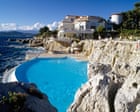
Stand in any vaguely photogenic spot these days on holiday and the chances are you will come across people posing with raised phones and even ring lights. Some may be influencers with huge audiences on social media, others just overkeen Instagram users. With hotels and beauty spots now so overrun, however, bans on photography are coming into place.
The five-star Hotel du Cap-Eden-Roc in Antibes, known for its glamorous clientele, views of the Côte d’Azur and a stunning infinity pool, has brought in rules against photoshoots: no longer allowed without prior permission.
According to reports, this has been prompted by people booking lunch reservations and bringing bags of clothing and jewellery. Instead of sitting down to eat, they have used their time at the hotel for photoshoots of themselves in different outfits, creating images to post to their social media accounts.
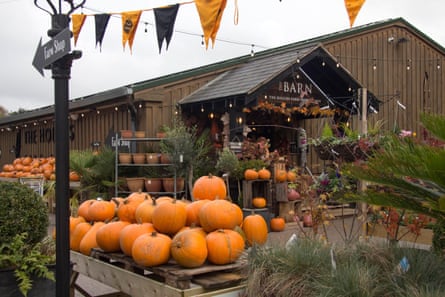
Less glamorous spots are also clamping down. The Hollies, a Cheshire farm shop which has become a popular content stop thanks to the Love Island star Molly-Mae Hague posting images from there, has banned photography and filming between 10am and 4pm.
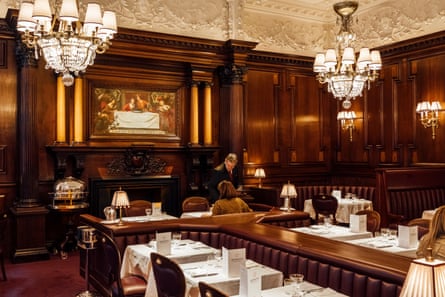
Meanwhile Jeremy King, the London restaurateur behind places such as Simpson’s in the Strand and the Park, wrote an article in the Evening Standard earlier this year titled: “I’m fed up with influencers over-running my restaurant – enough is enough.”
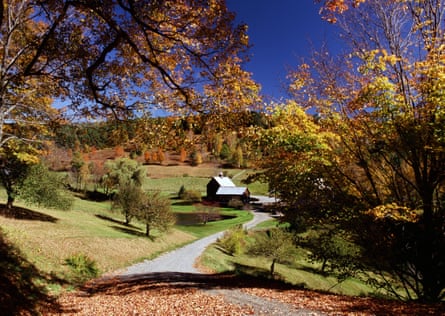
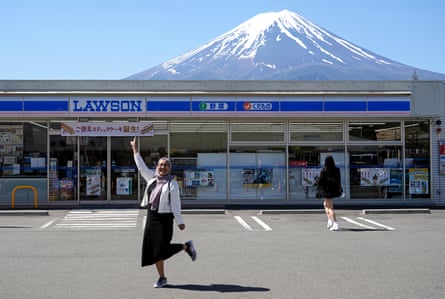
In the US, a shop on Nantucket, an island off Cape Cod, Massachusetts, went viral earlier this year for a sign reading “no influencers”, while the town of Pomfret in Vermont has banned influencers taking pictures in front of foliage in autumn. In Fujikawaguchiko in Japan, a screen has been put up near a convenience store to stop people taking pictures there in front of Mount Fuji.
Part of the argument from venues is that these photoshoots jeopardise privacy and discretion, especially as expected at expensive hotels. Hotel du Cap-Eden-Roc’s manager, Sophie Volant, told Travel Weekly: “As much as [guests] appreciate having people in the restaurants and in the bars, they also want their summer home to remain private. We had to think about a solution.”
Anna Fedou, the chief marketing officer at the Beaumier hotel group, says it sometimes works with influencers to capture content to promote its luxury hotels, which include Les Roches Rouges near Marseille, loved for its photogenic pool. The group does not have specific rules around photography, Fedou says, but stays mindful of its primary purpose.
“We’re in the business of hospitality, not running photo studios,” she says. “People travel from all over the world to experience the atmosphere, sense of space and feeling that make a hotel unique. It’s our responsibility to protect that.”
Rules around photography at hotels and restaurants mirror a trend away from capturing the moment and towards being in it. Alex Goat, the founder of the youth culture agency Livity, compares these rules to clubs asking visitors to put stickers over their phones’ cameras. “They want to signify that they’re here for people who love music. There’s something potentially similar [here],” she says. “It’s ‘I’m here because I want to enjoy the space’ rather than ‘I’m here to document something to other people’.”
Part of the disapproval towards influencers is a common misconception is that they are paid well for such content. Sometimes, as with Beaumier hotels, influencers will produce posts in exchange for a free room, but the idea is that brands will want to make deals with influencers due to their association with glamorous locations. “The majority are creating most of their content for their audiences for free,” explains Nicole Ocran, an influencer who set up the Creator Union to represent those in the industry. “They create content in the hope of courting brands and seeing who will bite.”
There has been previous outrage around influencers’ behaviour, as in 2021 when Love Island stars travelled to Dubai during lockdown, for example. And if there is an underlying snobbery to a luxury hotel instigating anti-photoshoot policies, there may be sexism, too. “Influencer culture has always been vilified in popular culture,” says Sophie Bishop, the author of Influencer Creep. “It’s a very feminised form of media, that’s bound up in promotional culture.”
Ocran agrees. “Most people have a particular stereotype in mind,” she says. “That isn’t to say that influencers and content creators can’t overstep or be insufferable when getting their shots and filming in public.”
Fedou believes that the key is to walk a balance that engages with social media content while keeping a restful experience at hotels. “Influencers will generally choose quieter moments for shooting content, to capture the space without disturbing others,” she says. “Les Roches Rouges has a relaxed atmosphere, but guest experience always comes first.”
While the backlash might be aimed at influencers with lots of followers, over 5.4 billion people use social media every day.
Ocran hopes that rules around photography might promote a more balanced attitude to social media in general. “[It’s] pushing back against the idea that not every space is meant for public consumption, and not every experience should be turned into content,” she says. “And as a creator, that’s quite a healthy message to send to us all.”
KioskNews shows a cleaned-up reading view extracted from the publisher’s page — the original always lives on their site, not ours.