In Kerala, these young people are ditching the big, fat Indian wedding
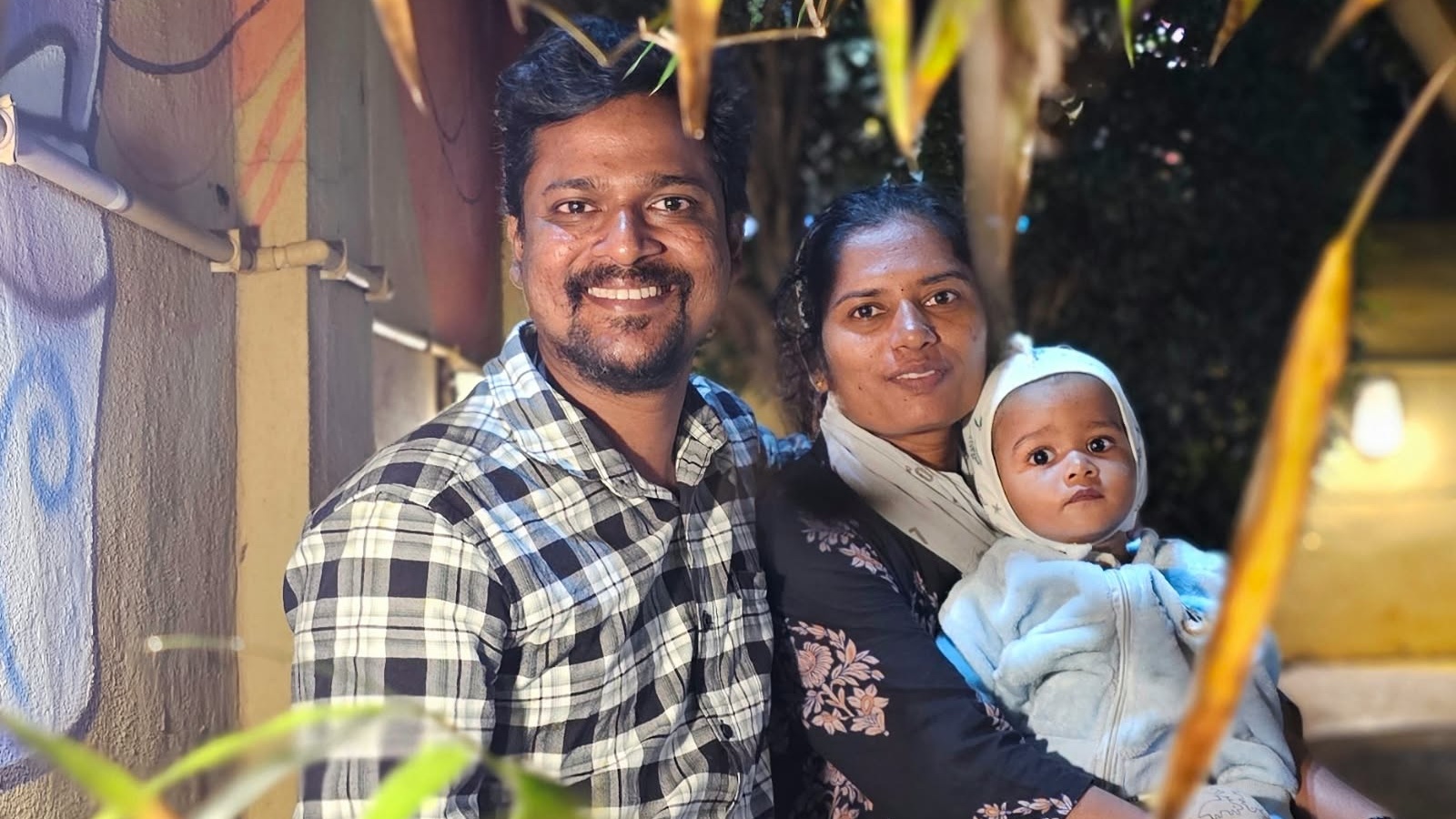
When he married Amala on August 31, 2024, Noel George knew what he wanted: a small, no-frills registration under the Special Marriage Act, followed by an intimate reception. George, a lawyer, and his schoolteacher fiancée, Amala, went through the motions, filing a notice of intended marriage with the marriage officer, observing the 30-day public notice period, and finally solemnising the marriage.
“We spent less than Rs 2 lakh on giving a small reception after the registered marriage,” George told The Indian Express.
George opted for a registered marriage because they liked the secular nature of the law. They aren’t the only ones. Several couples in Kerala are now ditching banquet halls, stage lights and gold jewellery to walk into sub-registrar offices for court marriages under the Special Marriage Act – a 15-minute ceremony if all the paperwork is in place.
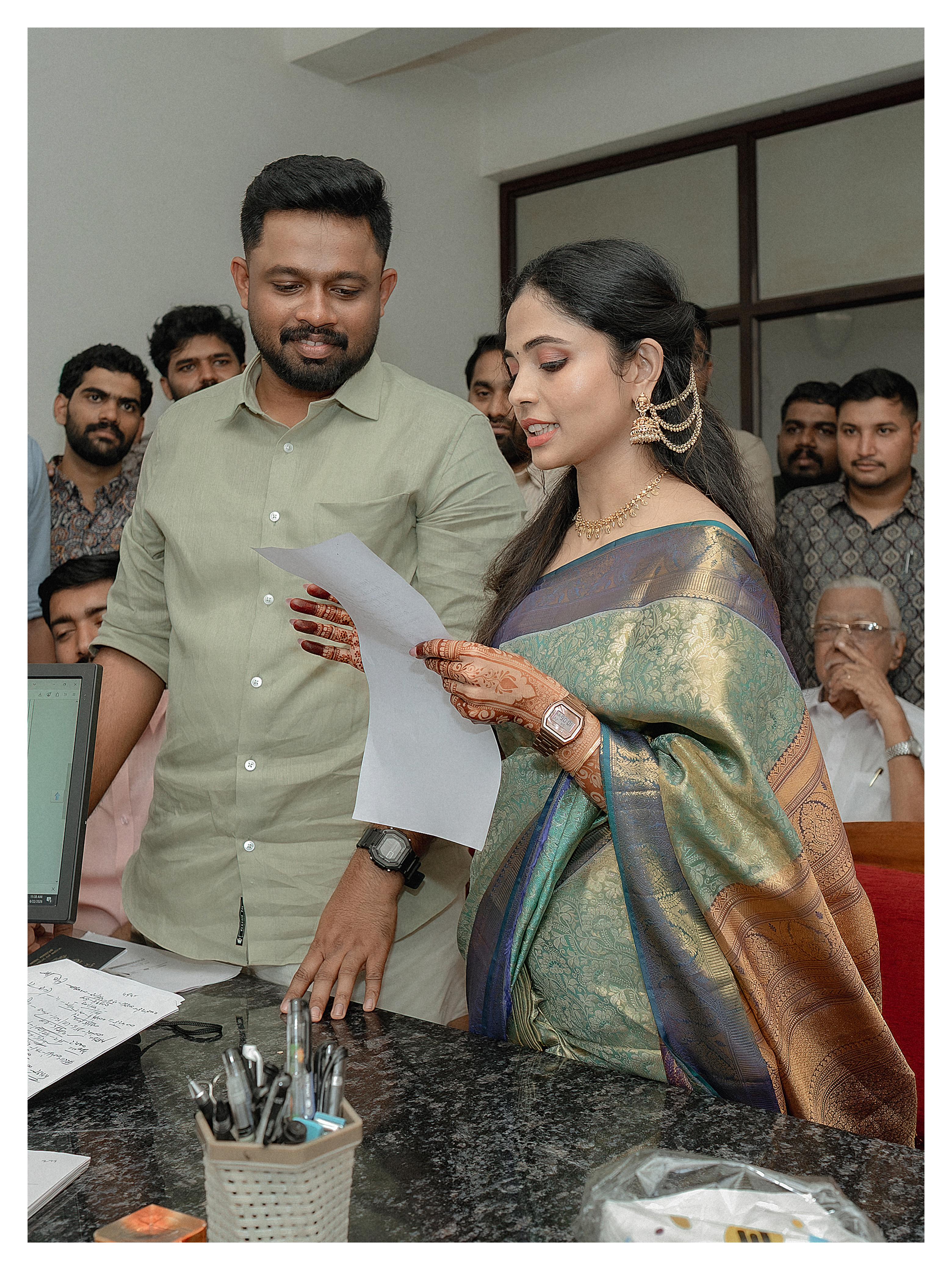 “We spent less than Rs 2 lakh on giving a small reception after the registered marriage,” George told The Indian Express.
According to data from the Keralam government, the number of marriages registered under the Special Marriage Act has gone up in the state over the past two years, going to 15,073 in 2025 from 12,040 in 2019 and 10,373 in 2020. So far in 2026, the state has registered 12,723 Special Marriage Act marriages.
The reasons vary – from secularism and interfaith relationships to rejecting patriarchal rituals, escaping traumatic associations with previous marriages and prioritising other experiences over an elaborate wedding.
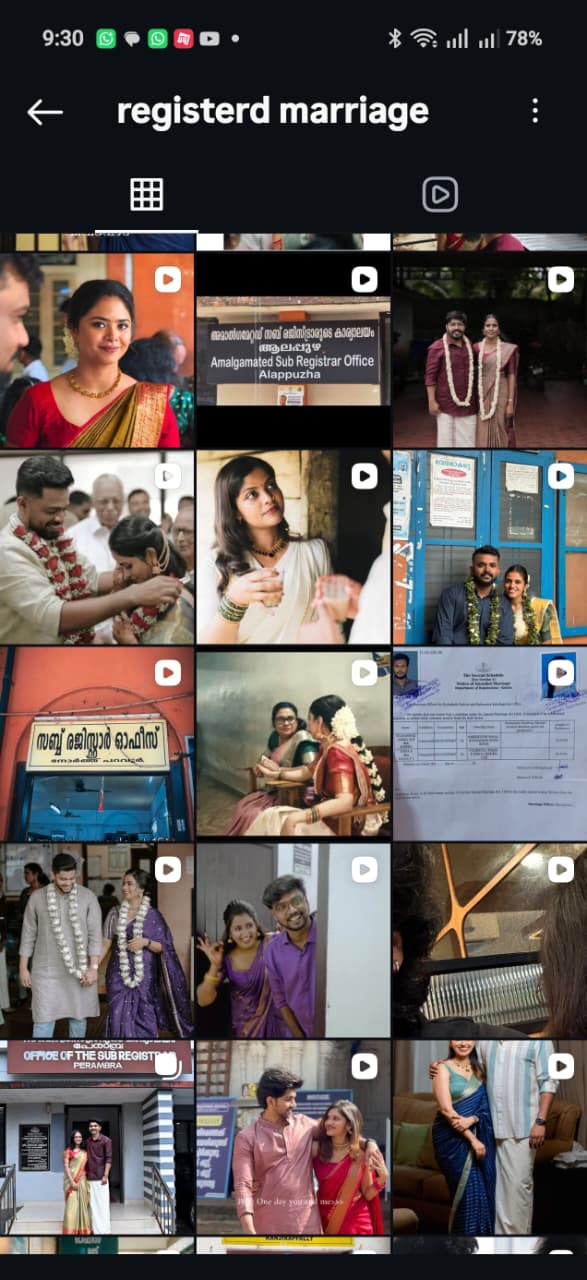
George now documents such marriages on social media – “just to remember the diversity in his state where people of different backgrounds – caste, religion and creed – get married under the Special Marriage Act”. “I have a folder in my Instagram just to follow these marriages,” he laughed.
Unlike under the Hindu Marriage Act, a marriage under the Special Marriage Act does not require a religious ceremony. Instead, it generally involves a 30-day notice period, followed by a brief civil ceremony before a marriage officer in the presence of three witnesses.
Story continues below this ad
Among those who consciously opted for this are PA Bonifus, 33, and Reema K, 29. The couple belonged to two different faiths – he came from a Christian family, and she was Muslim. “The marriage reception cost us less than Rs 3 lakh. We did not want to spend more on this function. We spent this only because our families were insisting that there should be some sort of ceremony,” Bonifus said.
 Unlike under the Hindu Marriage Act, a marriage under the Special Marriage Act does not require a religious ceremony. Instead, it generally involves a 30-day notice period, followed by a brief civil ceremony before a marriage officer in the presence of three witnesses.
Some of these people are now sharing their stories on social media so others can follow suit. Like George, 37-year-old Manu from Velur in Thrissur district also documents these marriages and has a dedicated social media page.
“The page was called Mathamillatha Jeevithangal (lives without religion), and I used to share stories of those who married under the Special Marriage Act. Later, I branched out to launch Secular Marriage Matrimony, a matrimonial page for those who want their marriages to break caste and religious boundaries,” Manu said.
It was on this site that he met his wife, Shivi, from Karnataka. “She posted an advertisement for a secular marriage. We hit it off right away,” said Manu, who frequently goes by his online name Manushyajathi. “We gave our son a gender-neutral name, Ithal Dweep. We think some choices inspire others.”
Story continues below this ad
Some opted for this to keep costs down, even though family pressures required them to marry. Among them was Aneesh Antony, the general secretary of Congress’s student wing in Kerala.
“After the wedding, I wanted to give a small feast of chicken biryani to the people who blessed us with their presence at the tiny wedding. I spent just about Rs 145 per plate of biryani. During the registration, we read out our promises.”
Some opted for the Special Marriage Act because of the secular nature of the law.
“Neither my partner nor I are religious people, so we wanted to get married under the provisions of the Special Marriage Act,” Ajay Jishnu, a leader with the Students Federation of India, said.
Story continues below this ad
For others, registering under the law was an “act of smashing patriarchy”. “There are several rituals in marriages that are very patriarchal. So, a simple court marriage helps us defy patriarchy in the most elementary way,” Sneha S said.
Then there are those whose past relationships inform their present choice.
“For victims of domestic violence and child sexual abuse, who have suffered trauma, the Special Marriage Act offers a new chance at a different life on equal footing,” Manu said. A domestic abuse survivor said: “I didn’t want to go through another pompous marriage. It would have rekindled traumatic memories. This seemed wonderfully simple enough.”
For some others, it was simply financial prudence. “We travelled to an exotic destination for our honeymoon using the money we would have otherwise spent on the wedding,” Nishitha, who got married last year, said. George added: “It’s a simple, beautiful process”.
KioskNews shows a cleaned-up reading view extracted from the publisher’s page — the original always lives on their site, not ours.