TikTok launches tool to help public figures detect deepfakes globally
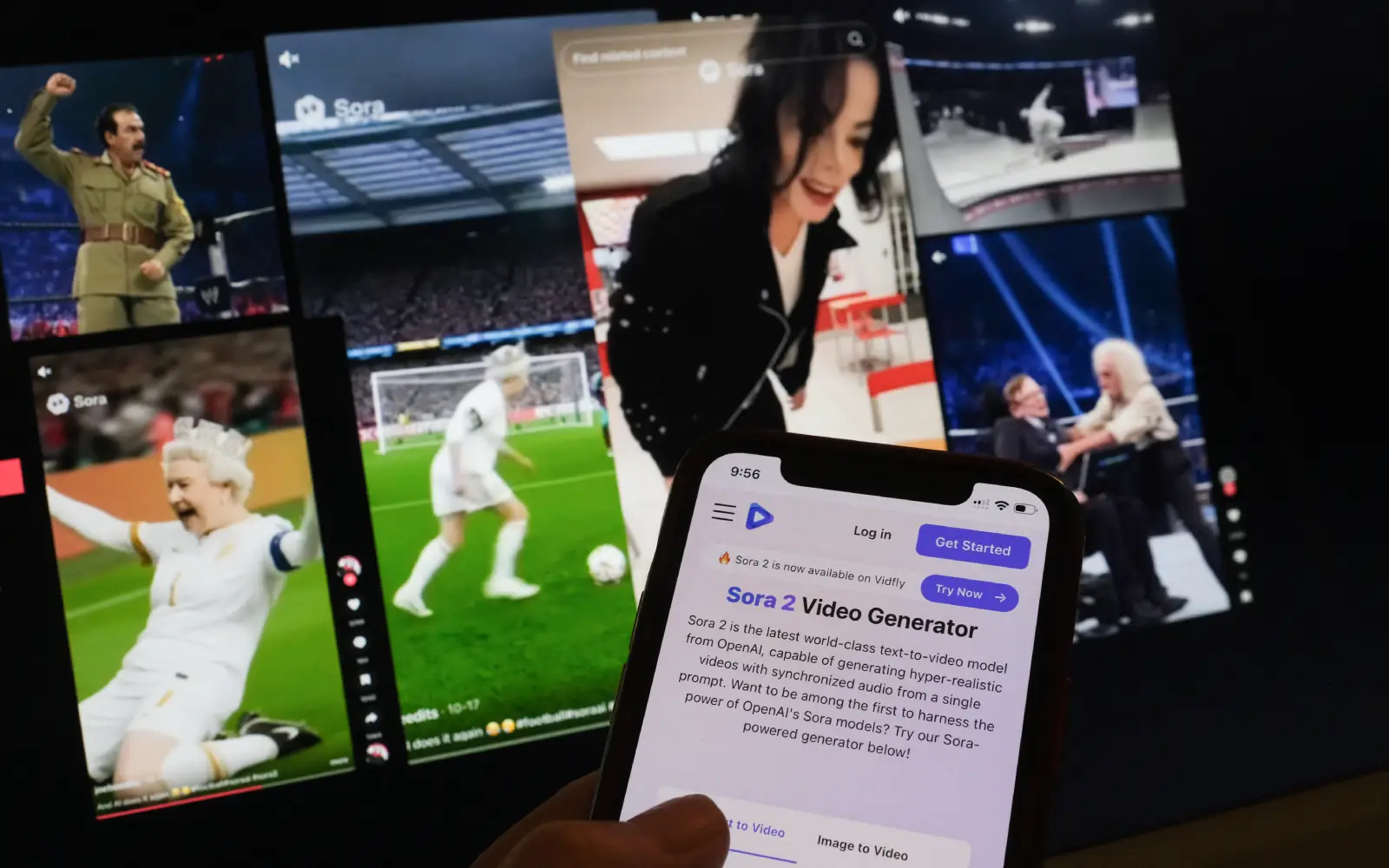
TikTok announced Friday the global launch of its deepfake-detection tool for public figures as the social media platform seeks to curb AI-generated disinformation ahead of a wave of European elections next year.
The “likeness detection tool” allows politicians and accounts with a large number of followers on TikTok to find and report AI-generated content using their image without consent, with the tool gradually being rolled out.
Deepfakes are text, images, videos and sounds that appear to be real but are generated or manipulated by AI.
For TikTok, owned by China-based ByteDance, the tool is a key part of protecting against disinformation during elections across Europe next year, including in Italy, France and Greece.
“Protecting the integrity of the elections is one of the most critical responsibilities that we have at TikTok,” Francesca Scapolo, the company’s government relations lead for European elections, said at TikTok’s safety and innovation event in London on Thursday.
She added that the likeness tool would help “politicians and government identify potentially AI-generated content that has been shared potentially without their consent.”
The EU began rolling out sweeping artificial intelligence transparency rules in August, including a requirement for deepfakes and other AI-generated content to be labelled.
TikTok has required content creators to label realistic AI-generated images, audio and video for several years.
The company last year said that technological improvements would allow it to cut down on moderation jobs and locations worldwide.
AI has grown in importance for social media moderation as operators look to save money on human checks for content like pornography, misinformation and hate speech.
YouTube has also developed its own likeness detection tool to let creators detect AI-generated videos depicting their impersonators.
AFP, among more than a dozen other fact-checking organisations, is paid by TikTok in several countries to verify videos that potentially contain false information.
KioskNews shows a cleaned-up reading view extracted from the publisher’s page — the original always lives on their site, not ours.