From muddy swamp to food destination: Perlis entrepreneur turns nipah palms into tourism attraction
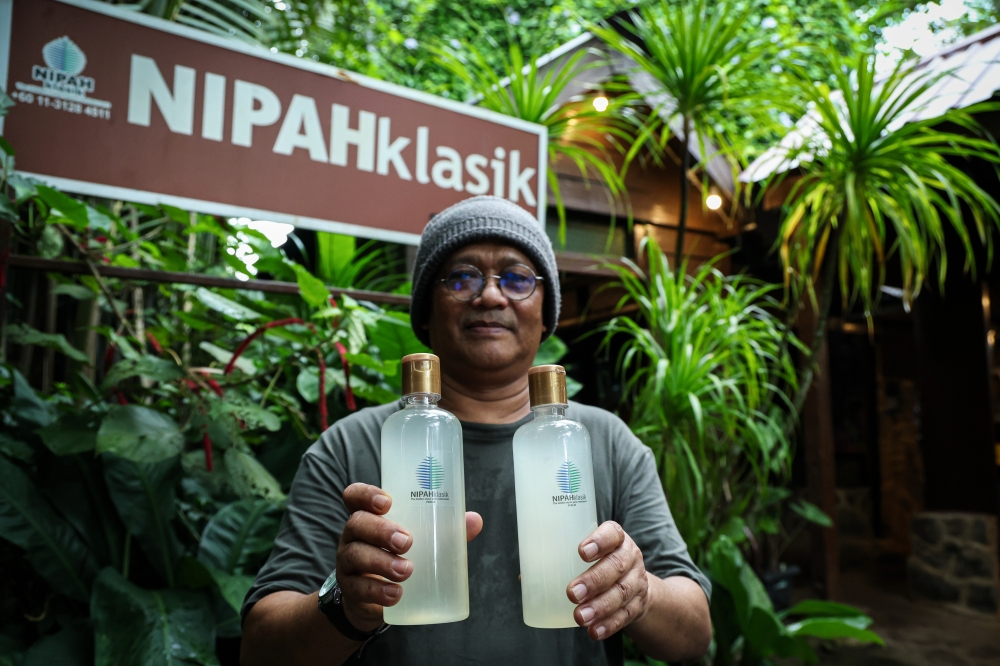

Nipah Klasik operator and local artist Jamaludin Abd Rahman shows a bottle of nipah vinegar during Tourism Malaysia’s Cuti-Cuti Malaysia Surreal Experiences Perlis media visit in Kangar, Perlis, September 29, 2026.
First Published: Wednesday, 30 Sep 2026 7:00 AM MYT
KANGAR, Sept 30 — Starting with about 1,000 nipah palm trees on a 0.3-hectare muddy swamp, a local entrepreneur has successfully transformed the difficult-to-cultivate land into a gastronomic destination showcasing nipah sap and traditional Malay heritage.
The project, founded by Jamaludin Abd Rahman, 63, in Kampung Bunga Emas Barat here, began in 2019 after he found the area unsuitable for paddy cultivation due to its deep, muddy and unstable soil, locally known as “jerelus”.
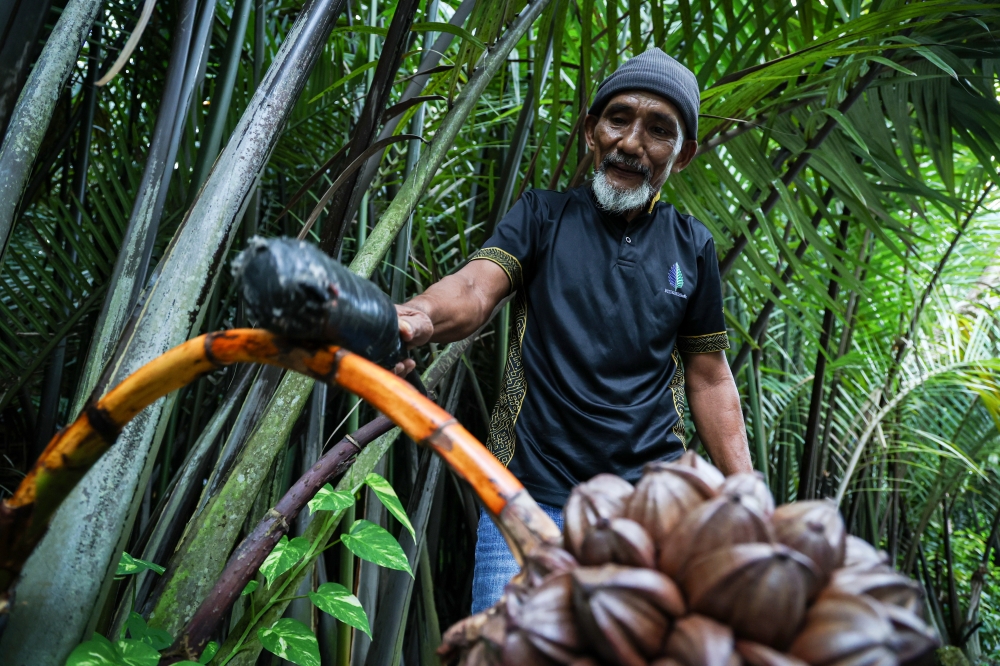
Nipah Klasik worker Ramli Bakar, 62, taps a nipah palm flower cluster to stimulate sap production during Tourism Malaysia’s Cuti-Cuti Malaysia Surreal Experiences Perlis media visit in Kangar, Perlis, September 29, 2026. — Bernama pic
“Previously, this was abandoned swamp land. If you walked through it, you could easily sink into the mud, so machinery such as tractors and rice harvesters could not enter.
“Initially, I only dug a pond to rear catfish, but after considering the potential of the land, I decided to gradually plant about 1,000 nipah palms,” he told Bernama during the Cuti-Cuti Malaysia Surreal Experiences Perlis Media Visit Programme organised by Tourism Malaysia.
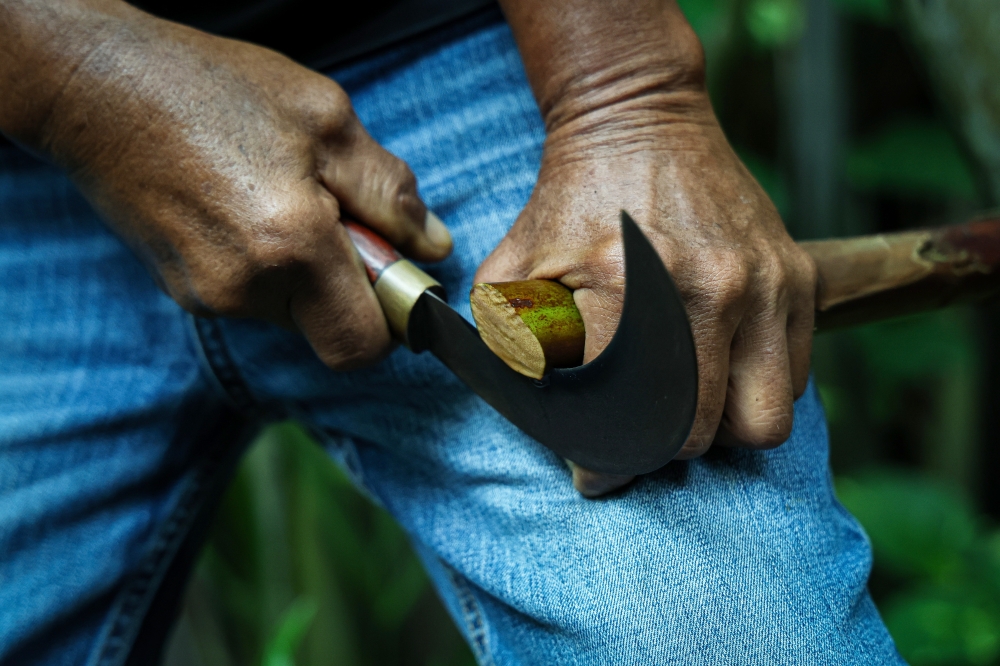
Nipah Klasik worker Ramli Bakar, 62, cuts a nipah palm flower cluster to collect sap during Tourism Malaysia’s Cuti-Cuti Malaysia Surreal Experiences Perlis media visit in Kangar, Perlis, September 29, 2026. — Bernama pic
From the initial number, the nipah plantation has now grown to more than 5,000 trees, providing the father of six with an opportunity to turn land that was previously difficult to cultivate into a new source of economic activity.
Jamaludin, who hails from Jerlun, Kedah, and is also an artist, said nipah palms take about five years to mature before they can produce sap.
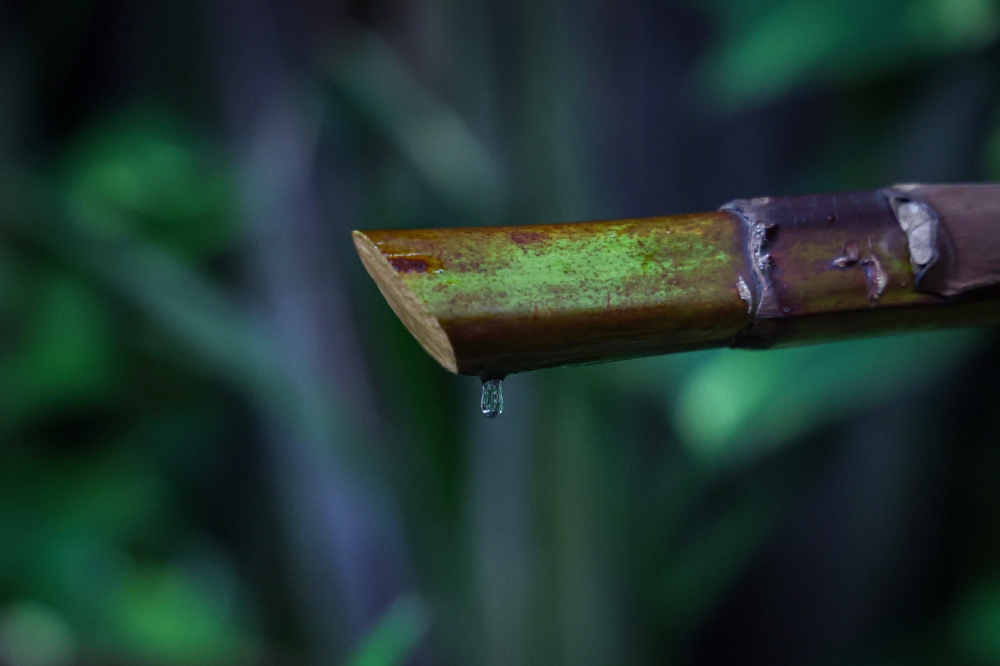
Nipah palm sap collected at the Nipah Klasik plantation during Tourism Malaysia’s Cuti-Cuti Malaysia Surreal Experiences Perlis media visit in Kangar, Perlis, September 29, 2026.
He said extracting nipah sap was not a simple process as it required skills and traditional techniques that are increasingly unfamiliar to the public.
The process requires meticulous attention, involving techniques such as twisting, wrapping and “tapping” the stalks or fronds at specific intervals and rhythms to allow the sweet sap to drip into collection containers.
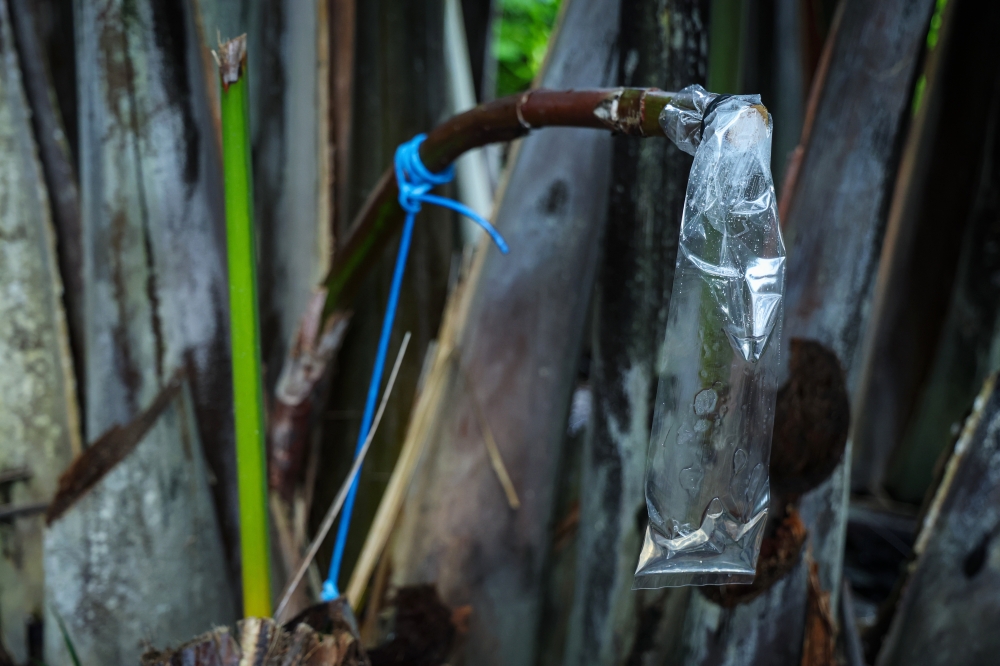
Sap collected in a plastic bag from a nipah palm flower cluster at the Nipah Klasik plantation during Tourism Malaysia’s Cuti-Cuti Malaysia Surreal Experiences Perlis media visit in Kangar, Perlis, September 29, 2026.
“Many people assume that the rainy season produces more sap, but in fact, nipah sap flows more abundantly and tastes richer and better during the dry season. This is because its deep-rooted system allows it to draw water from deep underground even when the surface soil dries out,” he said.
Apart from providing economic value, Jamaludin said planting nipah palms in the area also played a role in conserving the swamp ecosystem, including helping to stabilise the muddy soil and prevent bank erosion, as well as serving as a natural barrier against water overflow.
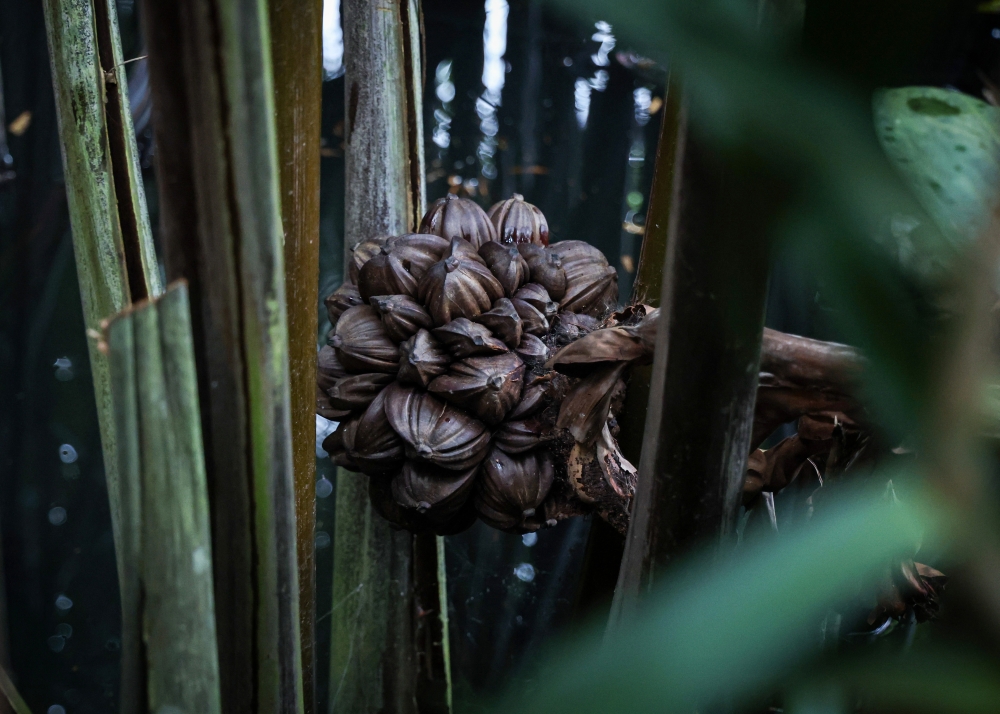
Nipah palm fruit at the Nipah Klasik plantation during Tourism Malaysia’s Cuti-Cuti Malaysia Surreal Experiences Perlis media visit in Kangar, Perlis, September 29, 2026.
The nipah harvest is not only used to produce fresh sap, but various parts of the palm, particularly its leaves, are also traditionally used by villagers to make roofing and leaf-wrapped cigarettes, helping to preserve aspects of Malay heritage from the past.
At Nipah Klasik, the produce and surrounding nipah landscape have been transformed into a gastronomic experience featuring various local dishes such as popiah, keropok lekor and fish otak-otak, which can be enjoyed with fresh nipah sap.
The restaurant, which he operates together with his family, also gives visitors the opportunity to enjoy their meals surrounded by nipah palms, while witnessing a demonstration of the traditional nipah sap-tapping process.
He said the initiative demonstrated that swamp areas unsuitable for conventional commercial agriculture could still be developed into environmental assets, heritage conservation sites and catalysts for the local economy when managed sustainably. — Bernama
KioskNews shows a cleaned-up reading view extracted from the publisher’s page — the original always lives on their site, not ours.