Every New Dungeons & Dragons Class In D&D: World Of Warcraft

Bruno Yonezawa is a Gaming Senior Writer for Screen Rant. He's been practicing professional journalism for over 10 years, and is also a communications specialist. He's played games all his life and turned that passionate hobby into a passionate career, in an industry where he's worked as a writer, editor, analyst, and more.
The release of the World of Warcraft expansion for Dungeons and Dragons is bringing forth the addition of several new classes and reinterpretations of classic classes to the TTRPG. In what is the first major release of the Universes Beyond program for the TTRPG, the release of D&D: World of Warcraft will inaugurate a new era for the game, allowing players to create the characters they are used to playing within Blizzard’s MMORPG in a tabletop setting, now unbound from the invisible restrictions of a video game.
Of course, you’ll be able to create brand-new characters in ways you haven’t seen before, as there will be new races in D&D: World of Warcraft, as well as tons of character options that even go into professions. The way this expansion is treating classes, specifically, is unlike most of what we’ve seen before. Some World of Warcraft classes, like Death Knight, are being treated as Hero Classes, while others that intersect with the TTRPG’s already established classes, like Druid, feature subtle choice suggestions to make it more like the MMORPG.
Death Knight

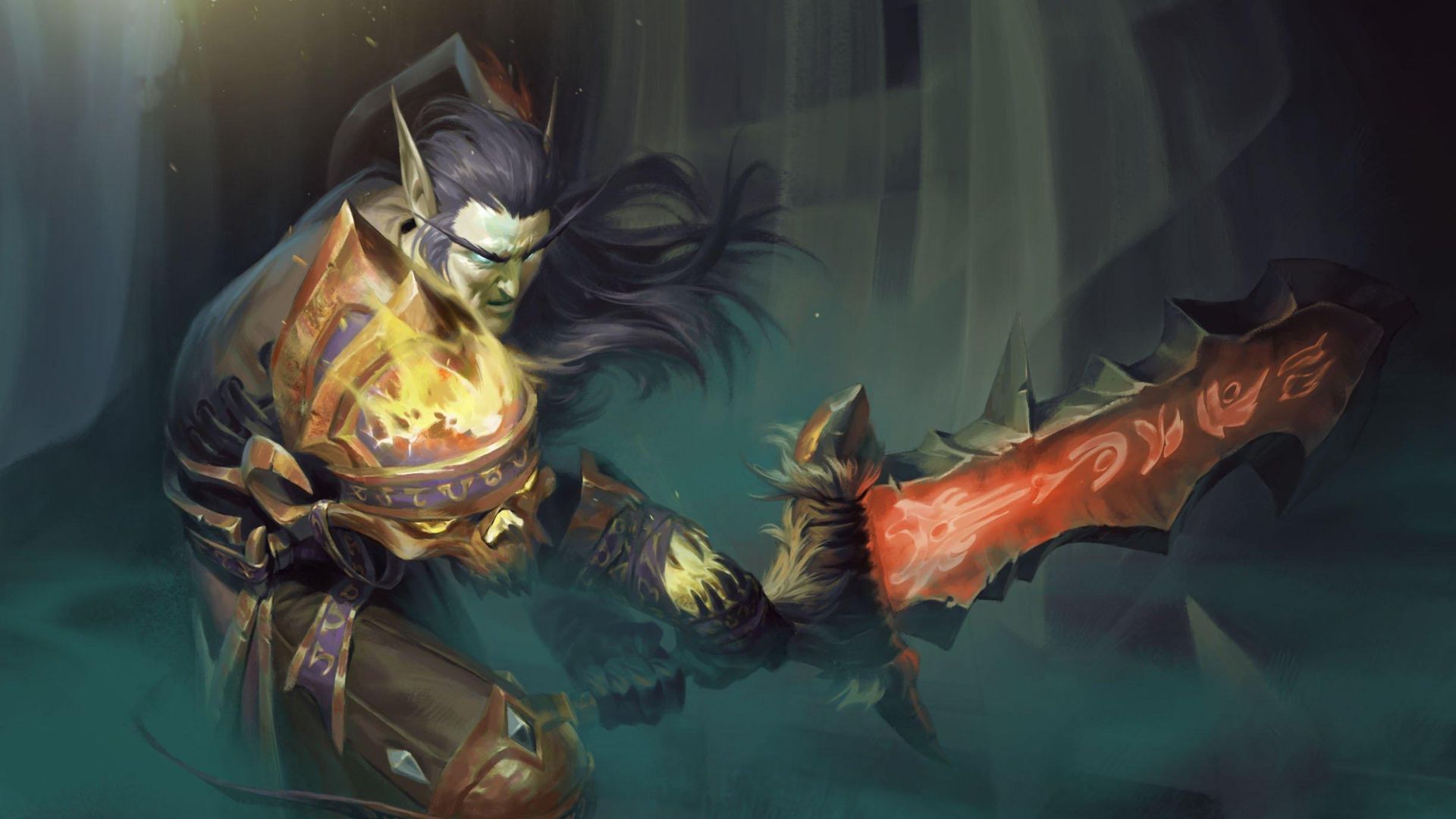
One of the most notable classes in D&D: World of Warcraft is the Death Knight. As was mentioned, this is a Hero Class, meaning that it is available, typically, for characters starting at level 3 or higher. To create a Death Knight, players will pick the Paladin class from D&D’s 2024 Player’s Handbook, and then choose the Oath of the Ebon Blade subclass – this changes a few core Paladin class features beginning at level 1. Death Knights, for example, lose Lay on Hands and Paladin’s Smite, having these features replaced by others.
The Death Knight class offers players three specializations, represented by the rune inscribed on your weapon: Blood, Frost, and Unholy. Each specialization comes with some recommended character options, as well as exclusive abilities. Blood Death Knights have better sustain, Frost ones deal more damage, and Unholy Death Knights control undead minions. Death Knights from World of Warcraft are tanky undead monsters in D&D.
Demon Hunter

The Demon Hunter class is also a Hero Class, but for Rangers in Dungeons and Dragons. Some core Ranger features are altered when you play a Demon Hunter, and like the Death Knight, you have three specializations within the Demon Hunter subclass. These specializations are a bit simpler, as they influence what type of spells the Demon Hunter has access to.
Devourers are all about using Void abilities to feast on enemies’ souls, while Havoc specialists use fel magic as melee-empowered fighters. Vengeance Demon Hunters embrace their demonic powers to become devastating tanks with some protective abilities. Yes, Demon Hunters can use their iconic Warglaives.
Druid

Druids in D&D: World of Warcraft come with a new take on the classic TTRPG class, as players are offered four specializations. You don’t have to worry about replacing core Druid features or starting at level 3, but the specialization you prefer will guide your subclass, spells, and feat choices. A Balance Druid, for instance, follows the Circle of the Stars subclass. The Feral specialization uses the Circle of the Moon and unlocks a Cat Form.
The Guardian specialization also uses the Circle of the Moon, but it gives the Druid access to a unique Bear Form. The Restoration path makes the Circle of the Land more effective as healers. World of Warcraft Druids are all about transforming, and this is reflected in their adaptation for D&D.
Evoker

Evokers are also a Hero Class for Sorcerers in Dungeons and Dragons. This class makes you follow the Draconic Sorcery subclass, but it changes it in a few places. Meanwhile, you also unlock specializations and unique Evoker spells. Augmentation Evokers gain the black dragonflight, which is a supporting build that enhances allies’ powers. The Devastation specialization unlocks the red dragonflight, turning the Evoker into a powerful damage-dealer.
Lastly, the Preservation specialization gives the Evoker the power of the Emerald Dream, turning them into support spellcasters for the party. Of course, like the Evokers in World of Warcraft, you’ll be flying around the world using these colorful elemental abilities, regardless of the specialization you pick.
Hunter

The new Hunter class in D&D: World of Warcraft will have you pick Ranger, and the specialization you choose will guide your subclass, feat, and spell choices along the way. The Beast Mastery specialization, as is implied by its name, works around the Beast Master subclass, but it gives you the unique Pet Specialization, which replaces Roving. This makes having a Primal Companion a lot more worthwhile.
The Marksmanship Specialization makes Rangers with the Hunter subclass better at striking from a distance with ranged weapons. Meanwhile, the Survival specialization option also picks Beast Master, but retains Roving and becomes a master at close-quarters combat, not unlike the Hollow Warden subclass from D&D Ravenloft: The Horrors Within.
Mage

The Mage class from D&D: World of Warcraft is a change to the traditional 2024 Wizard class. When you pick Mage, you’re actually picking the Wizard and making a few changes based on your preferred specialization. The Arcane specialization revolves around raw arcane magic and dealing damage – so much so that the subclass choice for this specialization is Evoker.
The Fire specialization grants the Mage access to several fire-based spells, including Flame Strike. Lastly, the Frost specialization improves Cold magic spells. There are also new character feats for each specialization, which further enhance the Mage’s abilities around the type of spell they’re casting. The Fingers of Frost feature, for instance, makes spells ignore Resistance to Cold damage and more.
Monk

As you’d expect, WoW Monks choose the Monk class. The three specializations are Brewmaster, Mistweaver, and Windwalker. The first of them embraces the Warrior of Mystic Brews subclass, featured in the new D&D: World of Warcraft book, and it revolves around using concoctions during combat.
The Mistweaver specialization follows the Warrior of Mercy subclass and is great at recovery. Lastly, the Windwalker Monk uses the Warrior of the Open Hand subclass and gains a new feature to become a powerful martial artist fighter.
Paladin
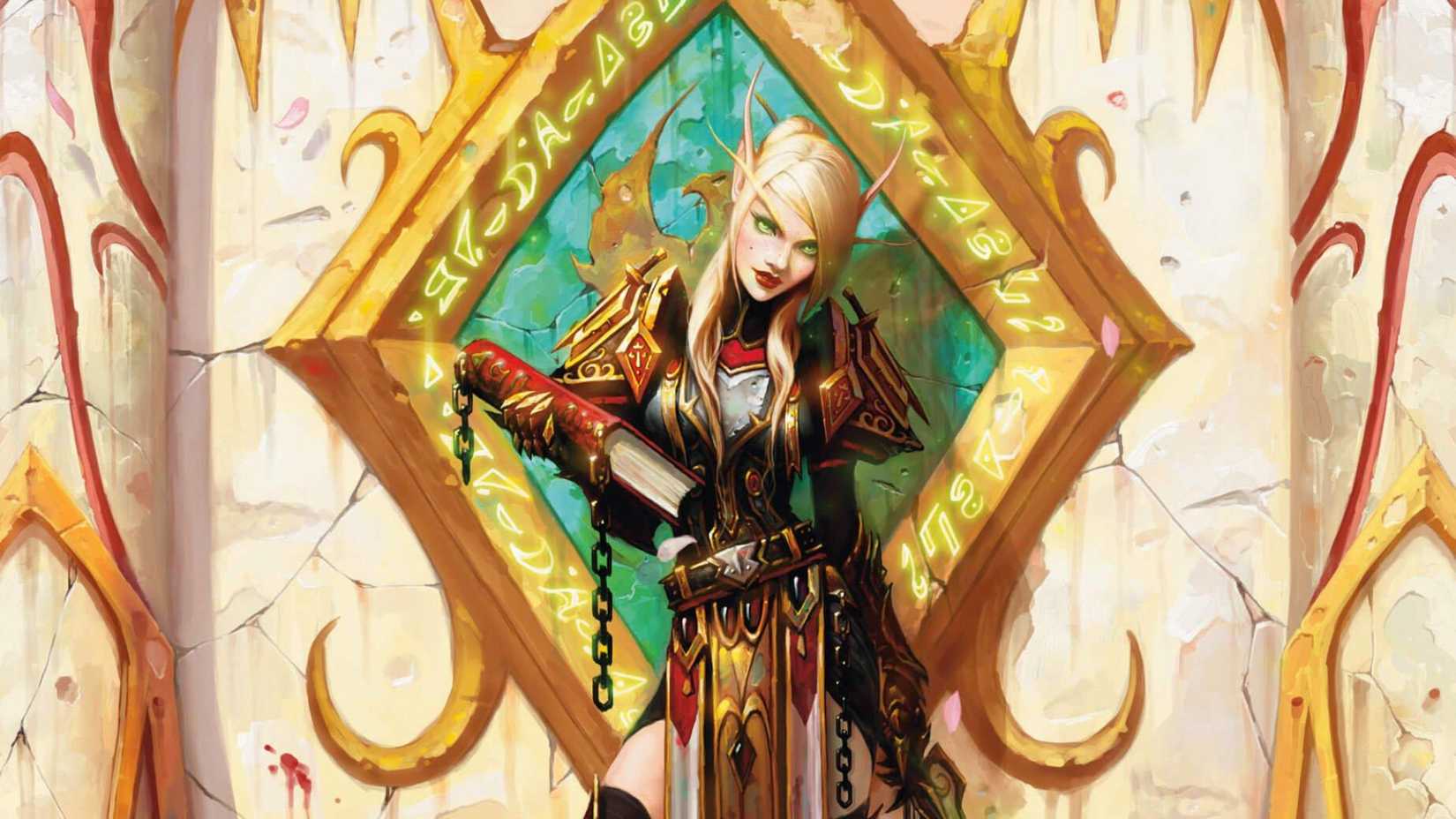
The Paladin in D&D: World of Warcraft gains three specializations: Holy, Protection, and Retribution. Holy Paladins use the new Oath of the Holy subclass, healing allies and dealing Radiant damage, making them feel like quintessential paladins.
Protection Paladins take the Oath of Devotion and gain spells that are great at protecting themselves and allies. Retribution Paladins use the Vengeance subclass archetype and new spells to become heavy-hitting tanks during combat.
Priest

The Priest class develops on top of the Cleric class from the PHB. The Discipline specialization uses the brand-new Discipline Domain subclass, which makes the Cleric gain extra boons when healing allies or dealing damage. The Holy Priest takes the Life Domain subclass and uses brand-new spells that deal damage and heal simultaneously.
The Shadow specialization has Priests use the new Shadow Domain subclass. This subclass enables the Priest to use their Channel Divinity and become a being of shadows, which greatly increases their damage output and team utility.
Rogue

Rogues in the new book use the traditional 2024 Rogue archetype, with a few changes. The Assassination specialization puts you on the Assassin subclass path, while the Outlaw specialization takes the updated Swashbuckler subclass, one of the strongest subclasses in Dungeons and Dragons.
The Subtlety specialization uses the Soulknife subclass to become a master ambusher. My recommendation is to use the Outlaw specialization or the Swashbuckler subclass directly - you won’t regret it.
KioskNews shows a cleaned-up reading view extracted from the publisher’s page — the original always lives on their site, not ours.