Soybean scientist ‘critical’ for China’s food security dies at 61 after illness
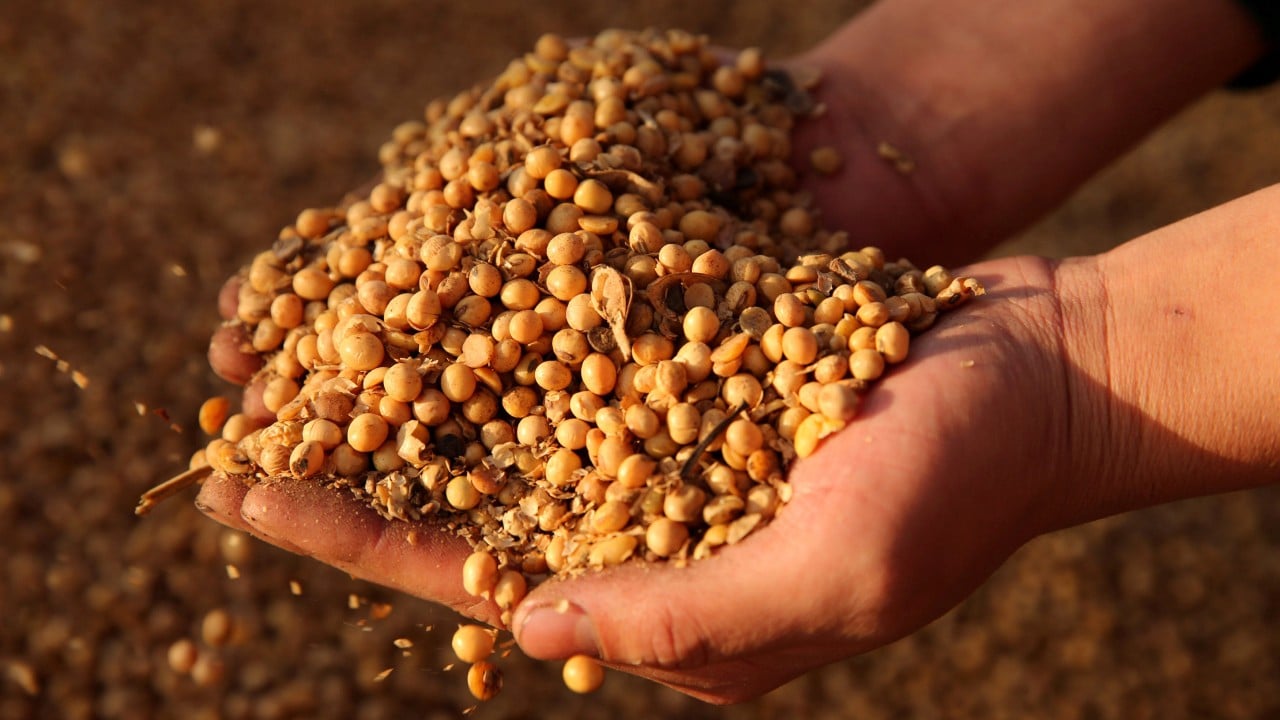
A leading Chinese scientist whose research into the genetics of soybeans was deemed “critical for national food security”, has died at the age of 61 following an illness, according to an obituary published by his institution on November 19.
Zhang Jinsong was a doctoral supervisor and expert in plant stress tolerance and soybean functional genomics with the Institute of Genetics and Developmental Biology under the Chinese Academy of Sciences (CAS) in Beijing.
His research is credited with enriching the theory of plant signal regulation – the study of how plants detect external stimuli and translate them into physical or chemical responses – and advancing soybean molecular breeding technologies.
Zhang was also hailed for making “important contributions” to the development of China’s crop molecular genetics and self-reliant innovation within its soybean seed industry.
He devoted more than three decades to scientific research, consistently tailoring his work to “address the major demands of national food security”, the obituary read. “His passing is a loss to our country’s agricultural science and technology community.”
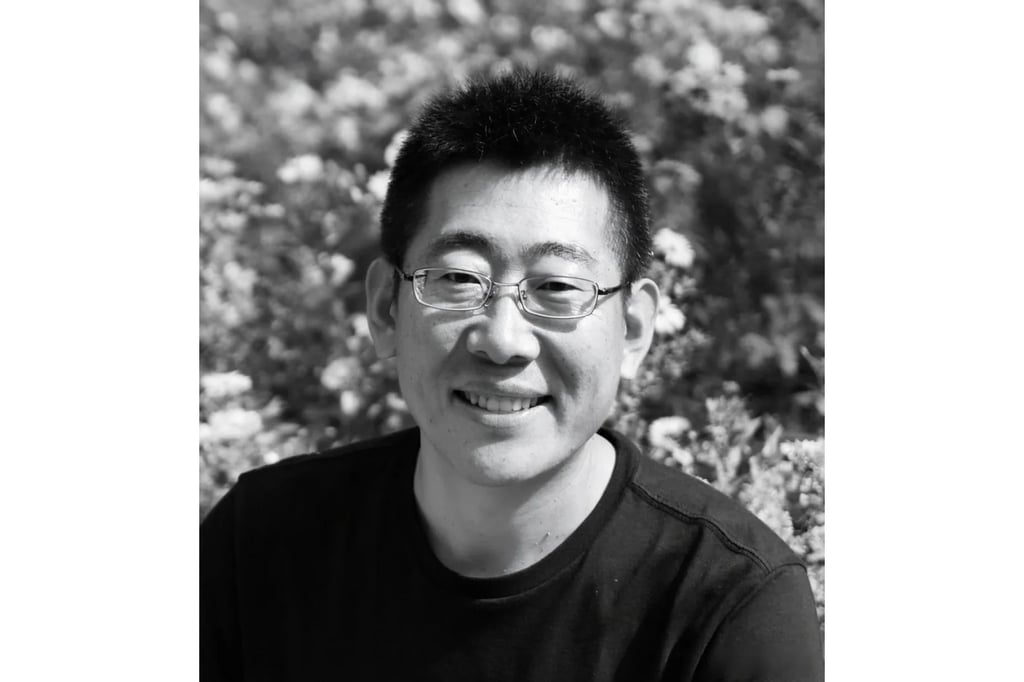
Born in Beijing’s Huairou district in 1965, Zhang earned his bachelor’s degree from Peking University’s Department of Biology in 1986 before completing a PhD at the same institution.
In 1994, after three years as an assistant researcher at CAS, Zhang moved to the United States to conduct postdoctoral research at Kansas State University. He returned to the CAS Institute of Genetics and Developmental Biology in 1997, where he worked until his death.
Public records show the agricultural biologist led more than 10 national-level research projects, some funded by the National Key Research and Development Programme which focuses on long-term, public-interest research in critical areas.
Zhang’s top-level research projects also included initiatives funded by the National Natural Science Foundation of China (NSFC), which is recognised as the country’s primary funding mechanism for basic research.
His scientific achievements included the discovery of a batch of key genes and germplasm resources – crucial biological materials for breeding new varieties – that regulate crop yield, quality and stress tolerance.
In December last year, Zhang and his team reported identifying of a key gene expression factor affecting lipid content in soybeans, in a paper published in the Journal of Integrative Plant Biology.
“Using bioinformatics, systems biology, genomic and molecular approaches, we have identified genes involved in the control of lipid biosynthesis,” Zhang noted on his institution’s website.
Over the course of his career, Zhang published in excess of 160 papers in prominent domestic and international academic journals and held more than 40 authorised invention patents.
Among his many accolades, Zhang was a recipient of the National Science Fund for Distinguished Young Scholars, one of the NSFC’s most prestigious funding categories.
02:59
China’s Great Green Wall stands against the spread of desert sands
He was also awarded first prize in the Heilongjiang Provincial Science and Technology Awards, though the specific research tied to this honour was not detailed.
Passionate about science? Dive deeper with the Dark Matters newsletter, a weekly in-depth analysis on China’s rise in science, technology and military that goes beneath the surface. Sign up for free now.
KioskNews shows a cleaned-up reading view extracted from the publisher’s page — the original always lives on their site, not ours.