To retire or not to retire? Malaysia divided over working past 60
Chew Kin Wah spent seven seasons gracing Malaysian television screens as “Kee Tat” in the hit sitcom Kopitiam in the late 1990s and early 2000s.
Now 61, the Malaysian actor is still working, albeit more selectively, taking projects when the right offers land on his table.
“There is no thought of retiring when you are doing something you enjoy,” he told This Week in Asia, adding: “Money helps. Never fight with money.”
For Chew, working beyond 60 is a choice. But for many Malaysians, the question is less about whether they want to keep working than whether they can afford not to.
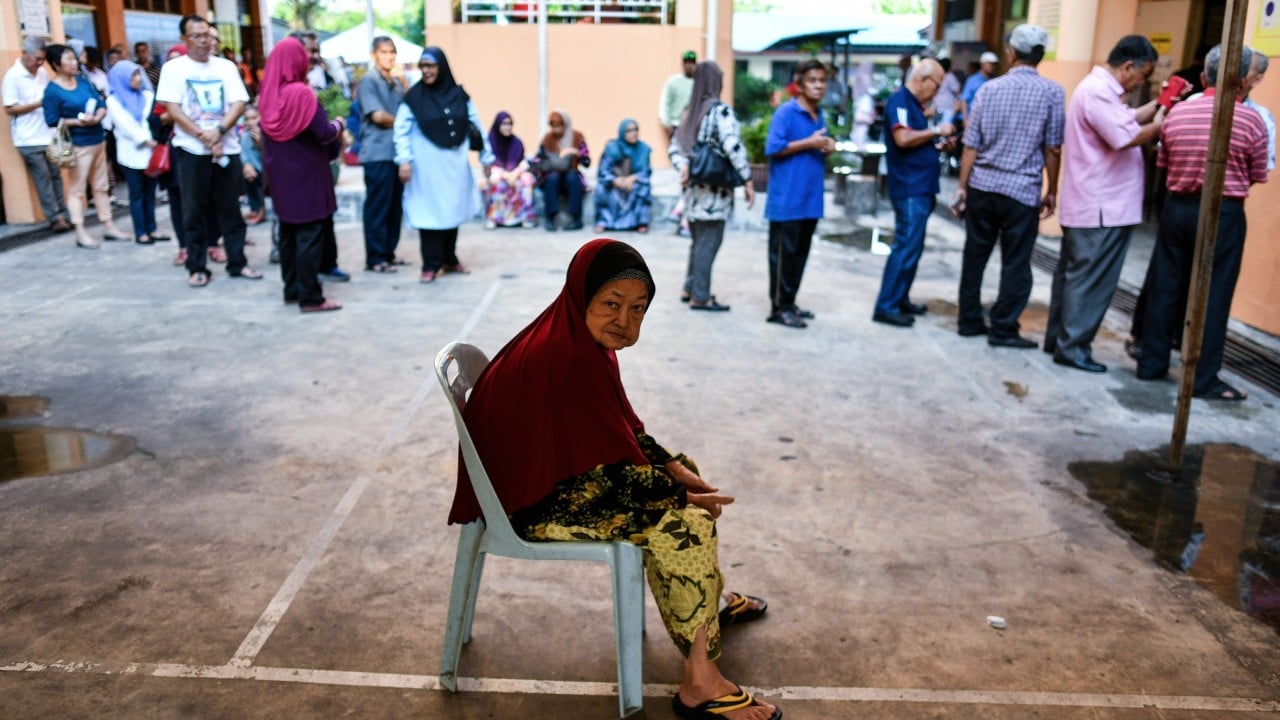
Calls to raise the country’s mandatory retirement age above 60 have reignited debate over whether Malaysians should remain in the workforce longer. Longer lifespans are colliding with inadequate retirement savings and growing concerns over whether older workers can realistically stay employed across vastly different occupations.

Shahril Ridza Ridzuan, a former CEO of the Employees Provident Fund (EPF), Malaysia’s mandatory government-backed retirement scheme, recently called for a review of the retirement age.
“The reality is that many Malaysians will continue working,” Shahril said at the International Social Wellbeing Conference last week, arguing that older people should be given more opportunities to stay economically active.
The EPF caters for private-sector and non-pensionable public sector workers, with more than 18 million registered members.
Shahril pointed to low wages as part of Malaysia’s retirement problem, arguing that while the country’s contribution rates were relatively high, low salaries meant many workers still failed to accumulate adequate savings.
As of May 31, only 38.3 per cent of active formal-sector Malaysian EPF members aged 18 to 60 had reached the “basic savings” benchmark set for their age group, according to figures provided to parliament.
Under the EPF framework, the basic savings target at age 60 is 390,000 ringgit (US$95,000) – an amount intended to provide a minimum monthly income of 1,625 ringgit (US$400) over a 20-year retirement.
A greying population
The economic argument for keeping older Malaysians in the workforce has been building for years.
Malaysia’s rapid transition into becoming an aged society was highlighted by a World Bank report published in 2020. It projected that the share of Malaysians aged 65 and older would rise from more than 7 per cent in 2020 to 14 per cent in 2044, reaching 20 per cent by 2056.
“Slower population growth and the shrinking relative size of the working-age population could account for about one-third of the decline in headline gross domestic product growth by 2050,” said the report titled “A Silver Lining: Productive and Inclusive Ageing for Malaysia”.
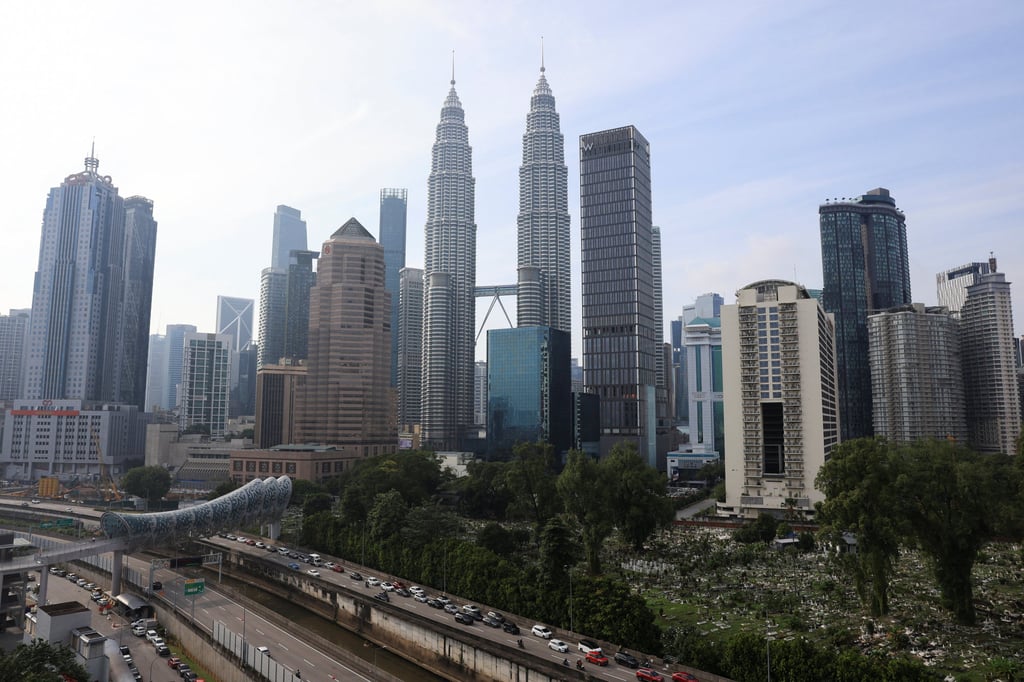
It found that only 45.2 per cent of Malaysians aged 55 to 64 were employed, well below levels seen in high-income economies, while three-quarters of EPF members had less than 250,000 ringgit in their accounts by age 54.
But advocacy groups insist that longer life expectancy does not justify raising the official retirement age.
“Raising the retirement age needs to consider health span and not chronological age alone,” said Cheah Tuck Wing, chairman of the Malaysian Coalition on Ageing, noting that such a move risked forcing people to work through years of declining health.
Cheah said flexible models such as phased retirement should be supported by early lifestyle interventions, preventive healthcare and age-friendly urban planning.
“Extending the retirement age above 60 should be flexible, voluntary and sector-sensitive,” he said. “A blanket increase in retirement age is not practical and inequitable.”
Increased flexibility
Employers also prefer flexibility, arguing that keeping older Malaysians employed does not require shifting the retirement age from 60 to 65.
The Malaysian Employers Federation said older workers brought valuable experience and institutional knowledge, but warned that a five-year increase would impose a “one-size-fits-all” solution across various industries and occupations.
“The realities of a professional, managerial or advisory position can be very different from those involving physically demanding, safety-sensitive or shift-based work,” federation president Syed Hussain Syed Husman told This Week in Asia.
It favours systems that offer older Malaysians opportunities to keep earning a living without an automatic right to remain in the same role on the same terms.
Syed Hussain suggested options such as part-time employment, reduced hours, fixed-term contracts, consultancy and mentoring roles or redeploying older staff to less physically demanding positions.
He said the federation believed that raising the mandatory retirement age across the board from 60 to 65 “may not be the most appropriate and practical approach for all sectors, occupations and workers”.
Unequal burden
Not all of Malaysia’s workforce shares the same ability to continue working past 60.
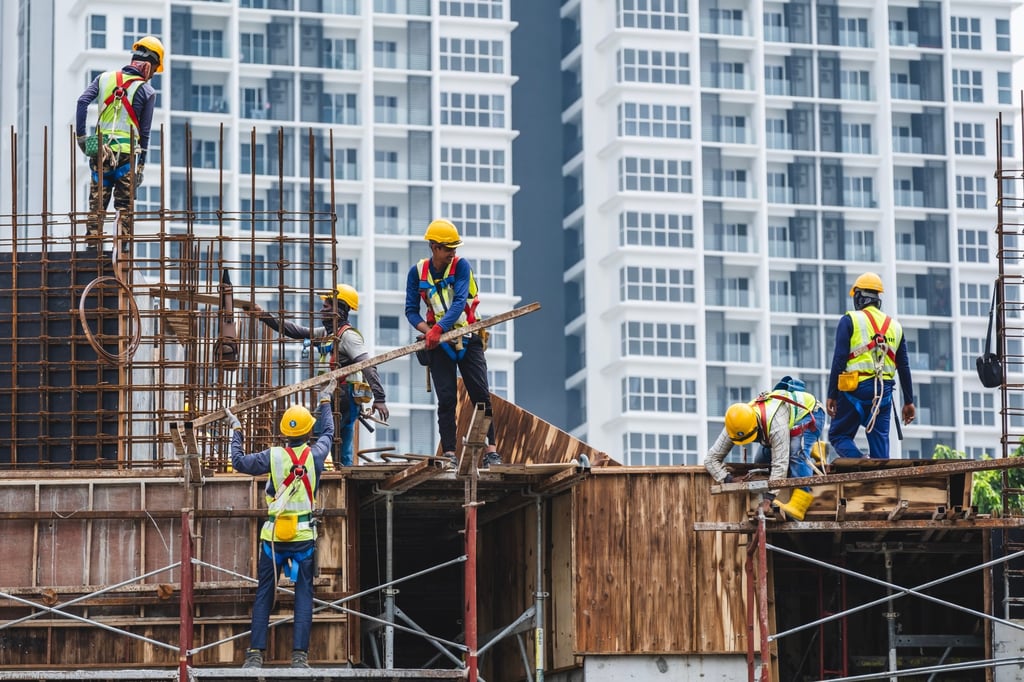
Cheah said lower-income Malaysians were more likely to have physically demanding jobs that became harder to do with age – even though they were often the least financially prepared to retire. Higher-income workers, by contrast, could more easily extend their careers.
“White-collar professionals can work into their sixties or seventies, bringing experience and maturity to the workforce,” Cheah said, adding that workers in sectors such as construction could face physical limitations that made extending their working lives more difficult.
In July, government spokesman Fahmi Fadzil said the cabinet had decided to keep the mandatory retirement age at 60.
Yet the government’s 13th Malaysia Plan signals a push to keep older citizens economically active, targeting an increase in labour-force participation among those aged 60 to 64 to 38 per cent by 2030, from 36 per cent in 2024.
For Chew – a former quantity surveyor who began acting professionally in 1997 – working past 60 felt natural.
While selective about his roles, he feels age matters less than whether the work is still worth doing.
“I think the sixties are the new forties because of access to healthcare and fitness routines, so it makes more sense to retire at 70,” he said.
KioskNews shows a cleaned-up reading view extracted from the publisher’s page — the original always lives on their site, not ours.