Malaysia starts sending Myanmar migrants home
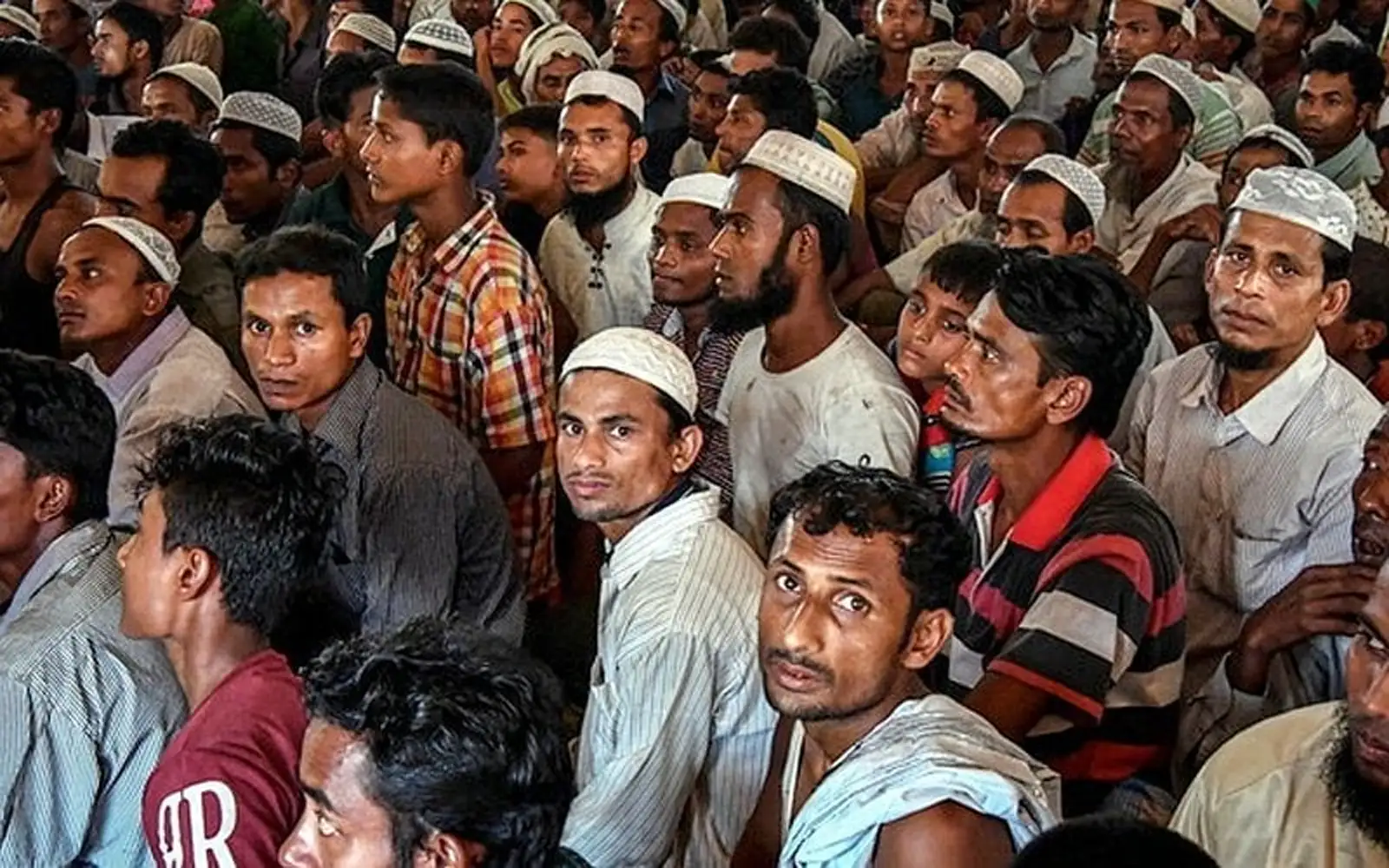
Malaysia began repatriating around 1,500 Myanmar nationals today, launching the first phase of a return programme that has raised concerns from rights groups.
The group is the first of 5,000 Myanmar nationals Malaysia says have agreed to “voluntary” repatriation from detention centres.
Dozens of buses arrived under police escort at the Majlis Perbandaran Manjung stadium near the Lumut naval base, AFP correspondents saw.
Reporters were not allowed inside the grounds.
The migrants were expected to be processed before being transported to the nearby naval base and taken to Myanmar by ship.
It was not immediately clear how many in the group were Rohingya, and Malaysian authorities did not divulge the number.
The persecuted Muslim minority make up two-thirds of the 190,000 Myanmar refugees and asylum seekers in the country, according to the United Nations.
In July, Prime Minister Anwar Ibrahim announced that Myanmar had agreed to take back 5,000 refugees in a rare repatriation push that prompted concern from rights groups.
The repatriation plan was announced after authorities detained more than 100 Rohingya refugees who had gathered outside the United Nations refugee agency’s office in Kuala Lumpur.
The refugees were seeking help after being threatened with eviction from an informal settlement in Penang. They were released after officials confirmed they held valid UN documentation.
Myanmar earlier this month pledged “safe and dignified” returns for its citizens displaced abroad, after criticism from the UN and rights groups.
Anwar also said he would invite Myanmar’s coup leader-turned-civilian president Min Aung Hlaing for an official visit to help expedite the repatriation process.
Malaysia, which shelters one of Southeast Asia’s biggest refugee populations, is not a signatory to the 1951 Refugee Convention and does not formally recognise refugee status.
AFP has found that Rohingya refugees in Malaysia have been targeted by online disinformation campaigns that rights advocates say are fuelling xenophobia and intimidation.
Many of the Rohingya escaped Myanmar during a brutal military crackdown in 2017.
Subscribe to our newsletter and get news delivered to your mailbox.
KioskNews shows a cleaned-up reading view extracted from the publisher’s page — the original always lives on their site, not ours.