Global river flows lowest in decades, UN says
Water storage shows persistent decline, glacier losses especially widespread
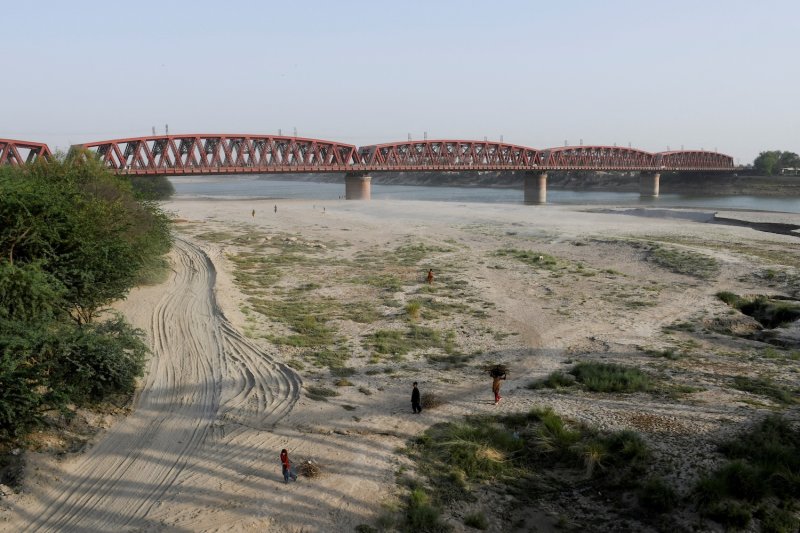
GENEVA - Rivers worldwide experienced one of their driest years in decades in 2025, according to the World Meteorological Organization, reflecting declining water storage across the Earth’s surface and raising concerns about future supplies.
Terrestrial water storage in groundwater, lakes, vegetation, ice and snow has been in decline for a decade, according to the State of Global Water Resources 2025 report released on Thursday by the UN agency.
The report warned of the “serious future implications” of this trend since such stocks act as a buffer for the planet in exceptionally dry years, such as this year.
“We are depleting that savings account. Global terrestrial water storage has shown a declining trend since 2014–16 — a persistent, decade-long signal,” WMO secretary-general Celeste Saulo said in a statement released with the report.
Below-normal flows were reported in over a third of the world’s river basins, the WMO data showed, in one of the driest years for rivers globally in 35 years of data collection.
But some river basins, such as parts of South Asia, had too much water, reflecting more erratic and unpredictable water cycles, the report said.
Widespread glacier losses were also reported across all regions in 2025 for the fourth consecutive year, the report said, adding this would lead to long-term water insecurity.
‘560 million swimming pools’
Between 2023 and 2025, the report estimated that glaciers lost a cumulative global mass of 1,400 gigatonnes of water — roughly equal to the water required to fill 560 million Olympic-sized swimming pools, or about a third of the world’s annual freshwater withdrawals.
“Groundwater tells a similar story: nearly two-thirds of monitored wells worldwide showed conditions outside the historical norm in 2025,” Saulo said.
She highlighted that this was happening in parallel with “more water-related disasters”.
The WMO stressed the importance of good data to map the developments in the water cycle, warning that significants gaps remained in hard-hit areas.
“Weather respects no borders, and this is especially true for water,” Saulo said, arguing for the importance of “shared data, shared standards and shared early warnings”.
“A river basin is fed by water upstream, often in another country,” she pointed out.
And “a glacier disaster in one country can lead to devastation in another as we saw with the recent tragedy of China and Nepal”.
KioskNews shows a cleaned-up reading view extracted from the publisher’s page — the original always lives on their site, not ours.