Why gaming has become more than a hobby for young Malaysians
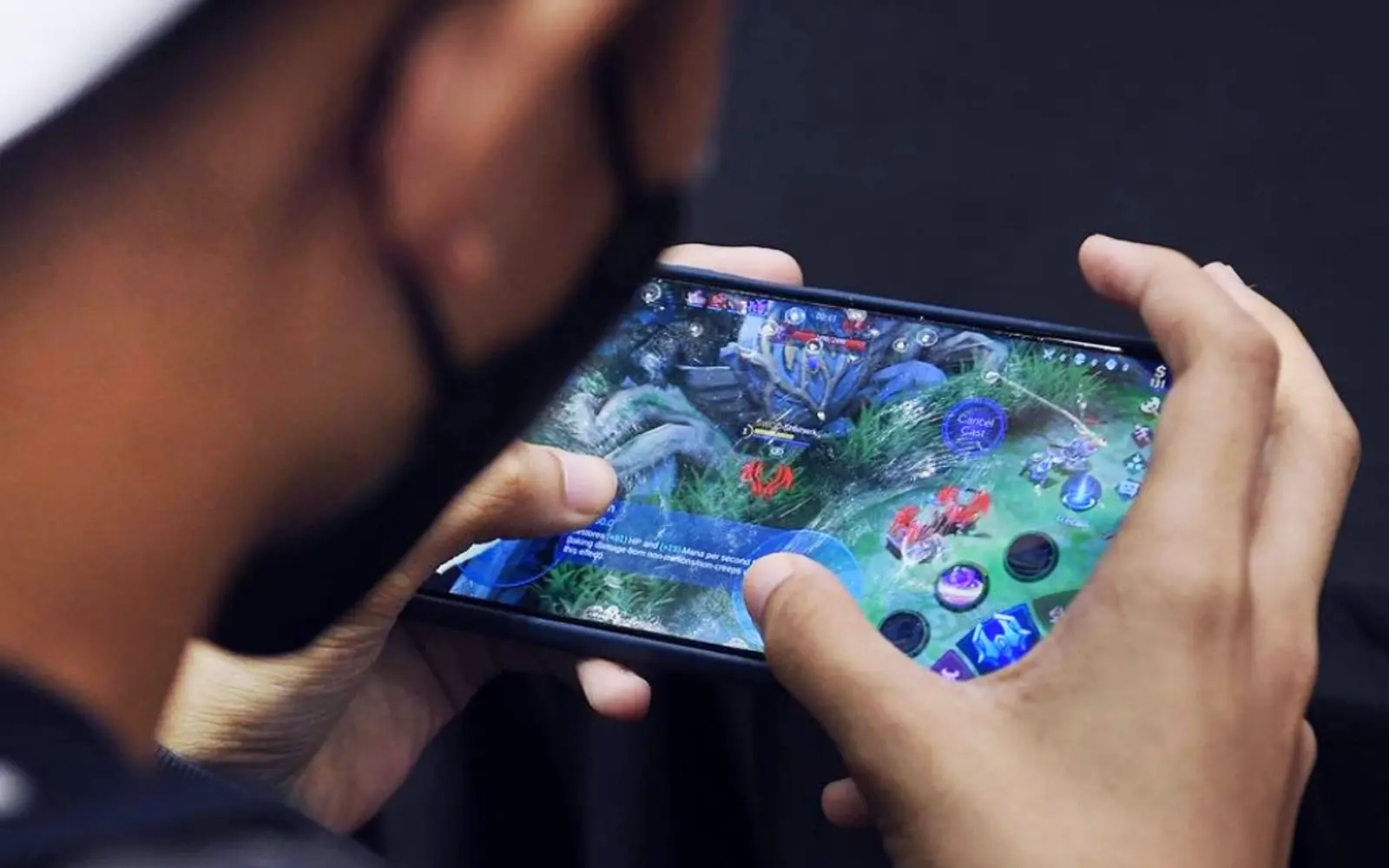
After a long day at work, accountant Mohamed Ilyas Suhairi often turns to video games to unwind.
For the 26-year-old, gaming is as much about switching off as it is about competition. It gives him something new to explore, a way to spend time with friends and, increasingly, a spectator sport to follow.
“When I started following esports, I became interested in watching how players compete, how teams play differently and how the games can become so intense,” he told Bernama.
His enthusiasm extends well beyond a single console. Ilyas owns a gaming computer, PlayStation 5, Nintendo Switch and several handheld devices, choosing between them depending on what he feels like playing.
By following tournaments, his eyes were opened to a much bigger world surrounding games – one that now includes professional players, streamers, commentators, coaches, production crews, developers and digital artists.
For many young Malaysians, that shift has changed how gaming is viewed: what was once largely seen as a pastime can now lead into communities, events and even careers.
Malaysia Digital Economy Corporation (MDEC) chief executive officer Anuar Fariz Fadzil said esports forms part of a wider digital-content industry that also includes games and animation.
“In esports, we have a broader talent pool, not just players. We have coaches, we have the production teams, we have animators,” he said.

This wider ecosystem is increasingly important because the opportunities surrounding gaming do not depend solely on someone being good enough to compete professionally.
Tournament production requires camera operators, sound crews, designers, commentators and technical staff, while game development itself calls for programmers, artists, writers and other creative specialists.
Malaysian institutions now offer courses in areas such as game software development, game art, and design and programming – reflecting a sector that has become more specialised as audiences and commercial interest have grown.
The numbers behind that audience can be striking: major esports tournaments hosted in Malaysia have attracted large online followings, while domestic competitions continue to draw viewers across streaming platforms.
The M6 World Championship in Kuala Lumpur in 2024, for example, recorded more than 4.1 million peak concurrent viewers and over 85 million hours watched.
And the popularity of regular leagues shows that interest is not limited to major international events. Like conventional sport, esports gives fans teams to support, strategies to analyse and high-pressure moments to watch unfold in real time.
But unlike earlier generations of gaming, it also sits within a digital culture where viewers can move easily between watching, playing and creating content of their own.

Some former professional players transition into streaming or build audiences on platforms such as TikTok and YouTube, where income can come from advertising, sponsorships, viewer donations, paid content and merchandise. Others move into coaching, analysis, event production or broader digital work.
That is part of why MDEC sees gaming and esports as more than entertainment: the sector contributes to a wider digital-content economy, where skills developed around gaming can spill over into animation, production, design and technology.
Government support has followed that growth, with funding directed towards esports development, training and digital games.
But beyond these, the more meaningful change may be how gaming is becoming embedded in the way younger Malaysians socialise, learn new skills and imagine possible careers.
For Ilyas, the appeal nevertheless remains straightforward: gaming is something he does because he enjoys it – a way to relax after work, connect with friends and follow a competitive scene that keeps evolving.
The difference today is that the world around that hobby has become much larger, offering not only entertainment but also communities, creative work and opportunities that barely existed when video games were viewed as little more than a pastime.
Subscribe to our newsletter and get news delivered to your mailbox.
KioskNews shows a cleaned-up reading view extracted from the publisher’s page — the original always lives on their site, not ours.