Banks warn AI shopping bots raise scam, fraud and data-privacy risks
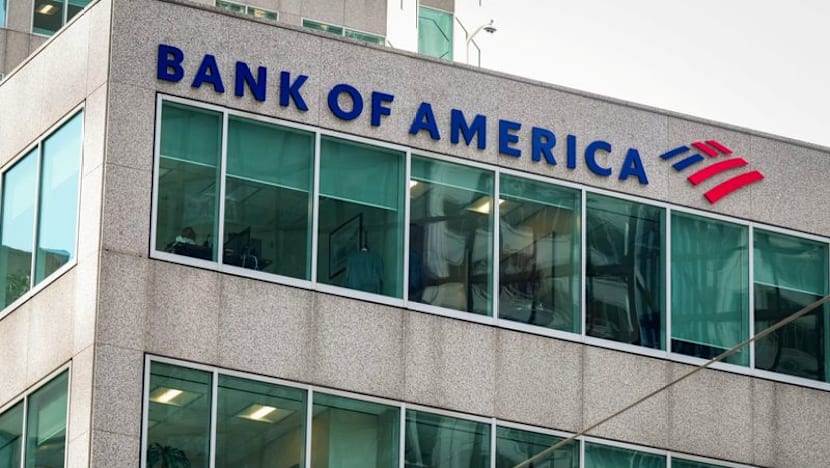
PARIS, Sept 22 : Using AI agents for online shopping could increase the risk of scams, fraud and data-privacy breaches, banks including NatWest and Bank of America said on Tuesday, as they set out principles for developing the technology.
Technology companies including OpenAI, Anthropic, Google and Meta are increasingly promoting AI chatbots as shopping tools, envisioning a future in which shoppers use AI agents to select products and make purchases on their behalf. Retailers, meanwhile, are racing to influence chatbots' recommendations.
British retailer John Lewis said in September that searches originating from AI agents had risen to 2.5 per cent from 0.3 per cent a year earlier, with the trend accelerating.
The group of banks, which also includes ING, New Zealand's ASB Bank and US lender Capital One, said in a report that customers were enthusiastic about the potential of agentic commerce and keen to enable it.
However, they warned that the technology was advancing faster than industry standards and consumer protections.
"Consumers are unclear if AI will act in their interests," the report said.
"They are concerned that AI agents may buy the wrong thing or spend too much – or even worse, lose their money to scams and fraud. They are not sure whether they will be protected or who they will need to go to if things go wrong."
The report highlighted risks including AI agents requesting customers' card details and entering them directly into websites, or steering users towards payment methods that offer weaker protections.
The banks plan to discuss a series of proposals with policymakers, including requiring disclosure when an AI agent is involved in a transaction, greater transparency over how AI agents make decisions, and safeguards to protect customer data.
Consumers and merchants should also be free to choose which AI-powered e-commerce services they use, while different systems should be interoperable, the report said.
KioskNews shows a cleaned-up reading view extracted from the publisher’s page — the original always lives on their site, not ours.