Arsenic detected in four people near Salween River
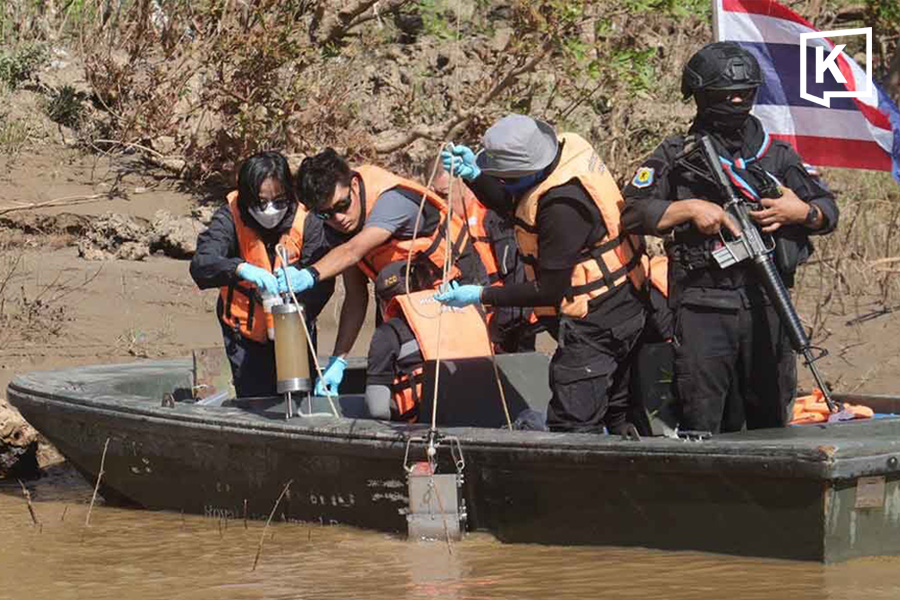
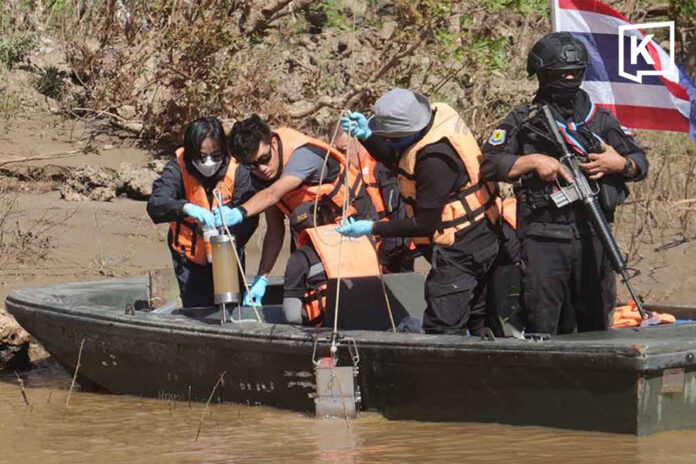
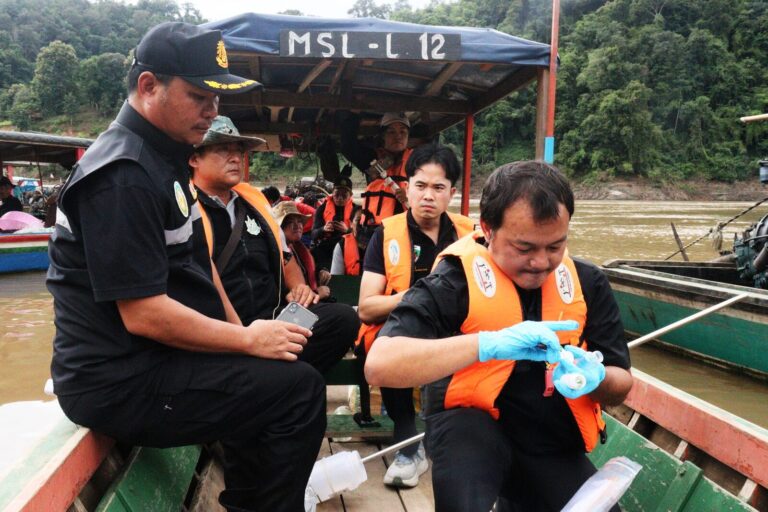
MAE HONG SON — 25 November 2026, Arsenic levels in the Salween River remain more than four times the accepted level, with authorities warning residents not to use its water. Health officials found arsenic in samples from four people and say their health should be monitored for five years.
Communities in Mae Sam Laep that rely on the Salween have stopped using its water and need an alternative supply before the dry season, subdistrict chief Phongphipat Meebenjamas said. He has asked Natural Resources and Environment Minister Suchart Chomklin to urgently find backup water sources.
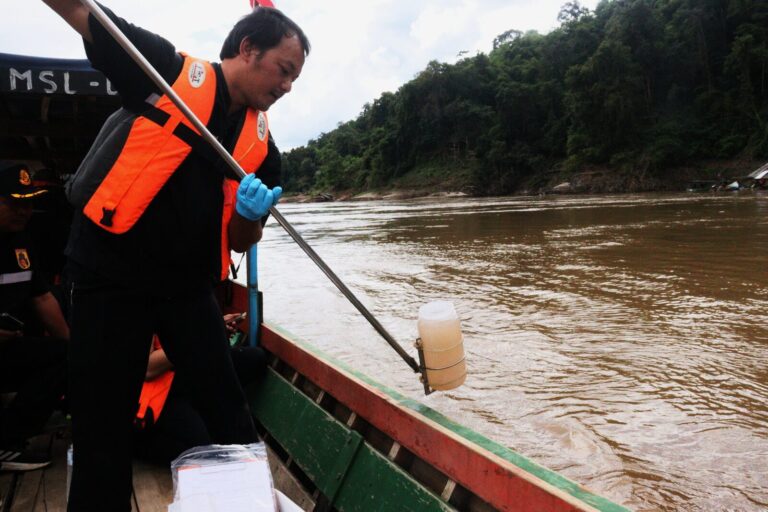
Authorities have found 40 to 50 small-scale mines farther upstream on the Myanmar side of the border, where ore is processed by hand rather than machinery, said Aweera Phakmat, director of the Pollution Control Department’s Regional Environment and Pollution Control Office 1.
The Salween flows through Thailand for more than 120 kilometres. Arsenic levels of 0.03 to 0.04 milligrams per litre have been recorded along the river since monitoring began in November 2025. All eight previous tests exceeded the standard. A preliminary result from the ninth test, conducted on 25 November, also showed levels more than four times the accepted level of 0.01 mg/L. Officials were unable to conduct the test in late October because of fighting near the border.
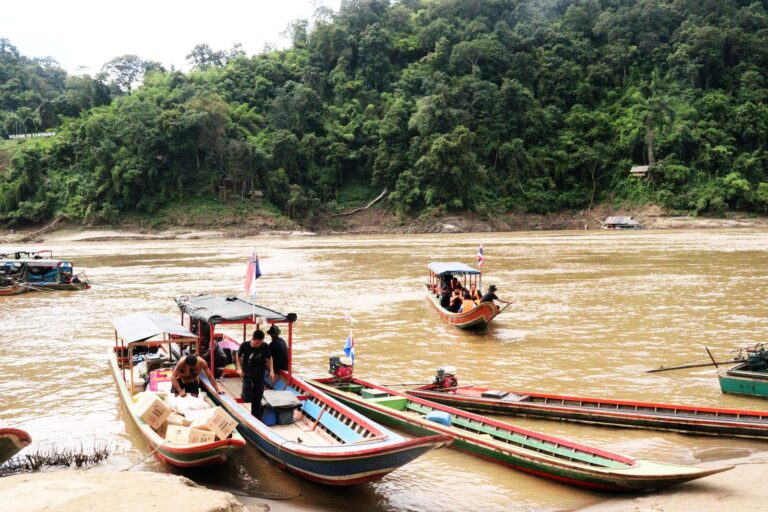
Tests found no above-standard arsenic levels in the Pai, Moei or Mae Sam Laep rivers, which may provide alternative water during the dry season. The government has also surveyed possible replacement sources, including mountain-fed water systems.
Officials said contamination in river sediment could harm bottom-dwelling animals and fish. Residents have been advised to avoid eating fish organs, including the stomach and intestines. The four people with arsenic detected in their bodies were identified through random sampling by the Public Health Ministry and will need health monitoring for five years.
The Pollution Control Department said arsenic levels in the Salween were consistently three to four times the accepted level. Levels in the Kok River were lower, while the Sai River had the highest readings, at four to 28 times the accepted level.
The Mae Sam Laep Subdistrict Administrative Organisation has proposed alternative water sources and is awaiting budget allocation. The Pollution Control Department, Department of Water Resources and Department of Groundwater Resources are monitoring the contamination and seeking replacement supplies.
KioskNews shows a cleaned-up reading view extracted from the publisher’s page — the original always lives on their site, not ours.