Thailand begins extradition process against Chinese journalist
Rights groups say Bai Zhaodong could face serious danger if he is returned to China
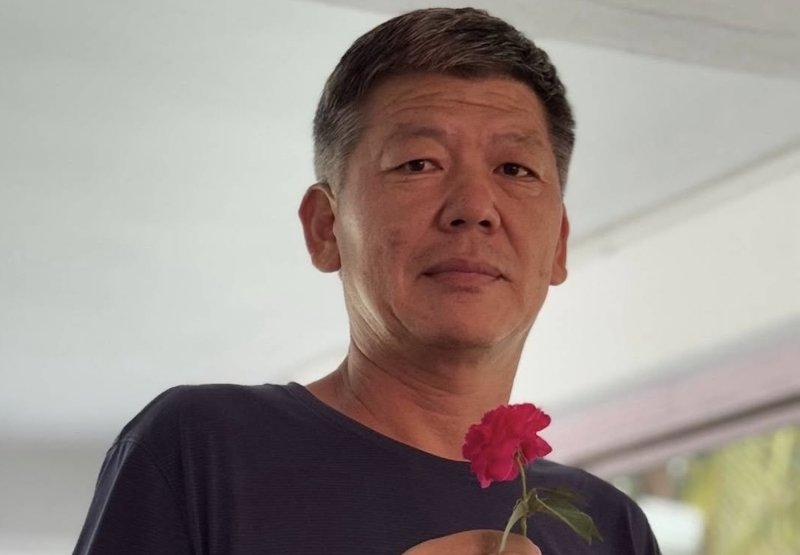
Thai authorities began extradition proceedings on Thursday against a Chinese investigative reporter wanted by Beijing and detained for months in Thailand, his lawyer and an official told AFP.
Bai Zhaodong, 56, exposed government corruption in China over two decades before leaving in 2023 to escape “mounting persecution from the state”, according to Reporters Without Borders (RSF).
Bai, who is recognised by the United Nations as a refugee, arrived in Thailand in 2024 and has been held in immigration detention since January 2026, the media rights group says.
Chinese foreign ministry spokesman Lin Jian said in July that Bai was suspected of extortion and bribery, and an extradition request had been submitted to Thailand.
“The prosecutor is bringing a case against him at court now. It is the beginning of the extradition hearing process,” Prayuth Pecharakun, a spokesman for the Office of the Atorney General, told AFP on Thursday.
He said the process could take months.
Bai’s lawyer Nadthasiri Bergman also confirmed to AFP that he had been taken to court.
The hearing had not previously been made public, and RSF advocacy manager Aleksandra Bielakowska called the development “scandalous”.
Detention challenged
It came the day before an expected decision on a legal challenge brought by Bai’s lawyers to his continued detention.
“Bringing Bai Zhaodong before a court without notice, on the eve of a decision on the legality of his detention, is scandalous and shows how eager the Thai authorities are to bow to Beijing’s demands,” Bielakowska said.
RSF believes his life could be at risk if he is returned to China, she said.
Bai has been held at Bangkok’s Suan Phlu immigration detention centre since Jan 21, according to the Southeast Asia Legal Defense Initiative, which represents him.
RSF has said that a third country has offered him asylum, without specifying which one, but that departures planned for February and June were cancelled after Thai immigration authorities withheld exit clearance without explanation.
Another Chinese activist, 55-year-old Zhang Xinyan, experienced similar treatment. She was detained in July, just hours before she was to fly to Canada under a refugee resettlement agreement. A month later, she finally received permission to fly to Vancouver.
In Bai’s case, the media rights group and his lawyer have called on Thailand to grant the journalist permission to leave the country. (Story continues below)
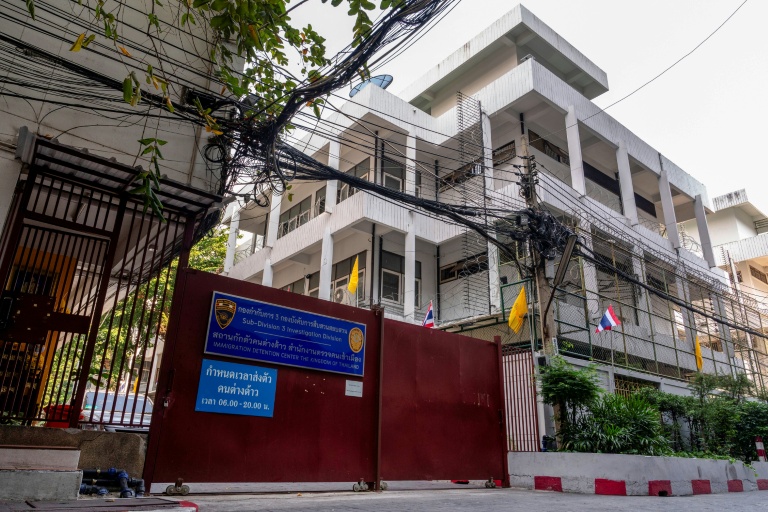
Bai Zhaodong has been held in the Suan Phlu immigration detention centre in Bangkok since January. (Photo: AFP)
Dissidents abroad targeted
Beijing has long sought to clamp down on dissidents overseas, and campaigners accuse authorities in Thailand — where several notable activists have moved over the years — of complicity in China’s efforts.
Thailand is not a party to the UN Refugee Convention, but is bound by the international legal principle of non-refoulement, which bars countries from sending people back to places where their lives or freedom are in danger.
Nonetheless Bangkok deported 40 Uyghurs to China in February last year over the objections of activists, who said the men could be tortured or mistreated.
The Ministry of Foreign Affairs did not immediately respond to a request for comment.
KioskNews shows a cleaned-up reading view extracted from the publisher’s page — the original always lives on their site, not ours.