South Korea apologises for classing gay teens as delinquents
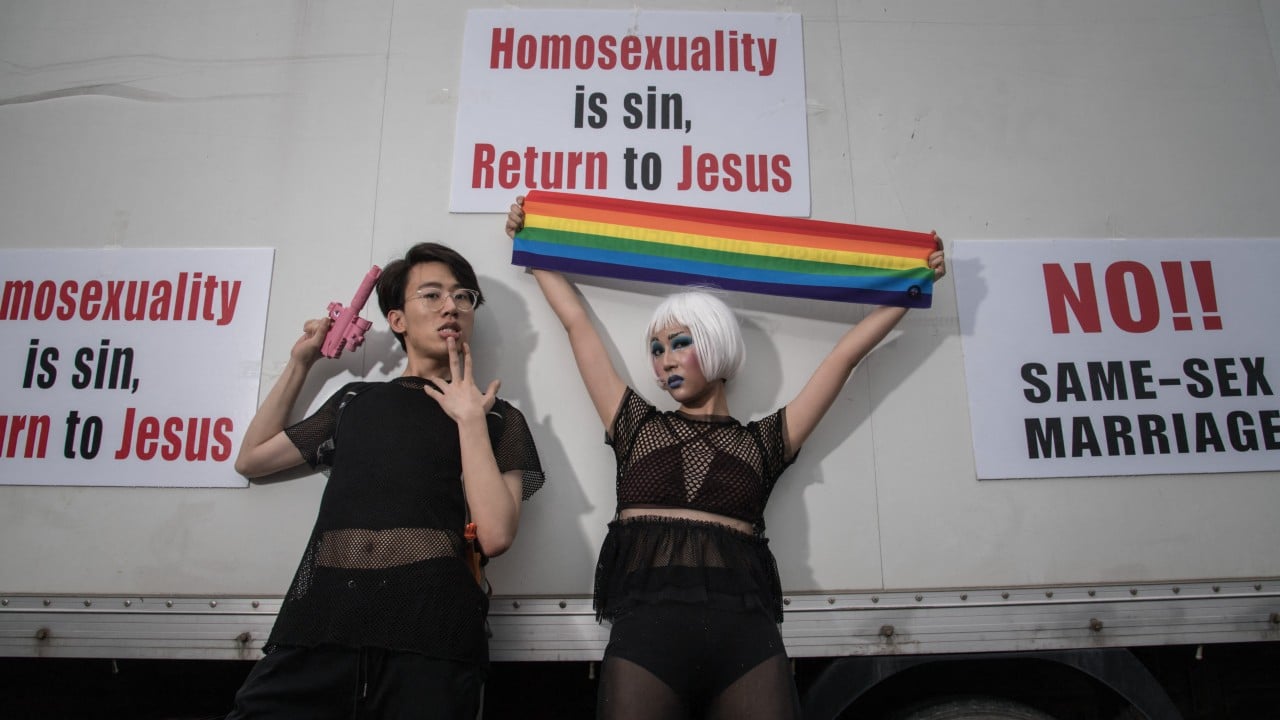
South Korea’s government has announced it will revise a youth counselling manual that categorised homosexuality as a form of juvenile delinquency, after facing a backlash sparked by local media reports earlier this week.
Homosexuality was grouped alongside sexual violence, theft and drug abuse under “delinquency-related issues” in the manual, the Korea JoongAng Daily reported.
Published by the Korea Youth Counselling and Welfare Institute – a body affiliated with the Ministry of Gender Equality and Family – the guide was produced for “youth companions”, or specialists tasked with supporting at-risk young people.
The wording first appeared in a December 2019 version of the manual and was repeated when a fourth edition was printed in December last year. It drew immediate criticism when South Korean media reported on the wording on Monday, prompting human rights groups, led by a support centre for LGBTQ youth, to issue a joint statement on Wednesday demanding a revision.
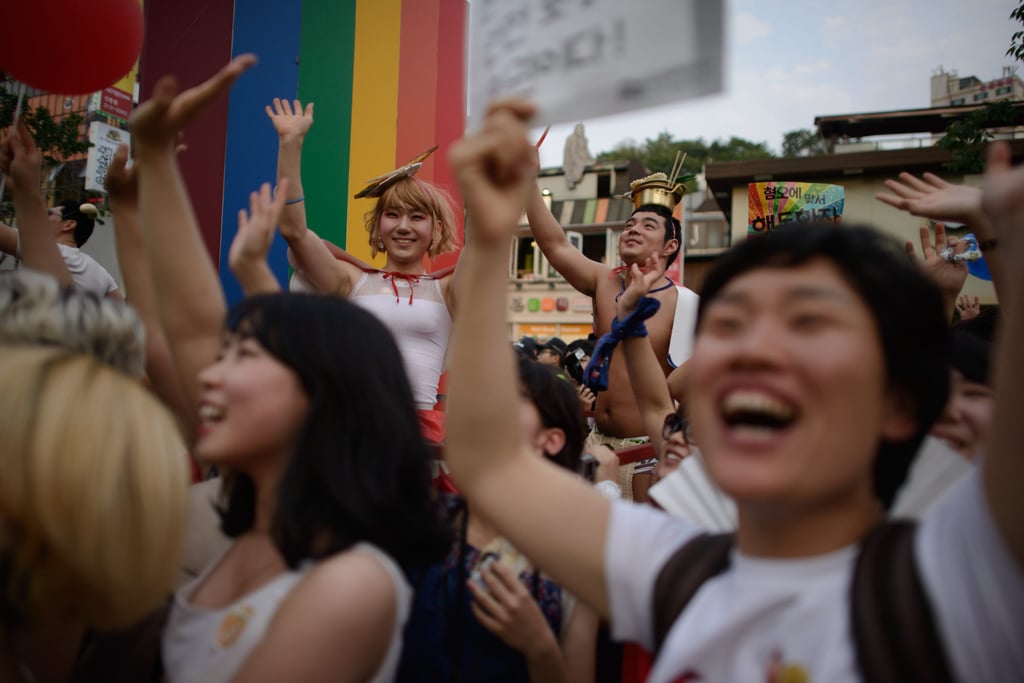
Later that day, the ministry apologised and pledged to correct the passage without delay, adding that it would make broader revisions in consultation with counselling experts.
“We regret that the classification of content concerning sexual minorities as a type of delinquency-related problem in the manual has caused discomfort and concern to sexual minority youth and those involved,” the ministry said, as quoted by The Korea Herald.
It also pledged to improve guidelines and support systems to ensure that young people would not be refused admission to shelters or otherwise disadvantaged because of their sexual orientation or gender identity.
“Based on feedback gathered last December from groups supporting sexual minorities and others, we revised the youth human rights protection manual for youth shelter staff in August,” a ministry official said. “We will work to ensure that all young people can receive counselling and protection without discrimination.”
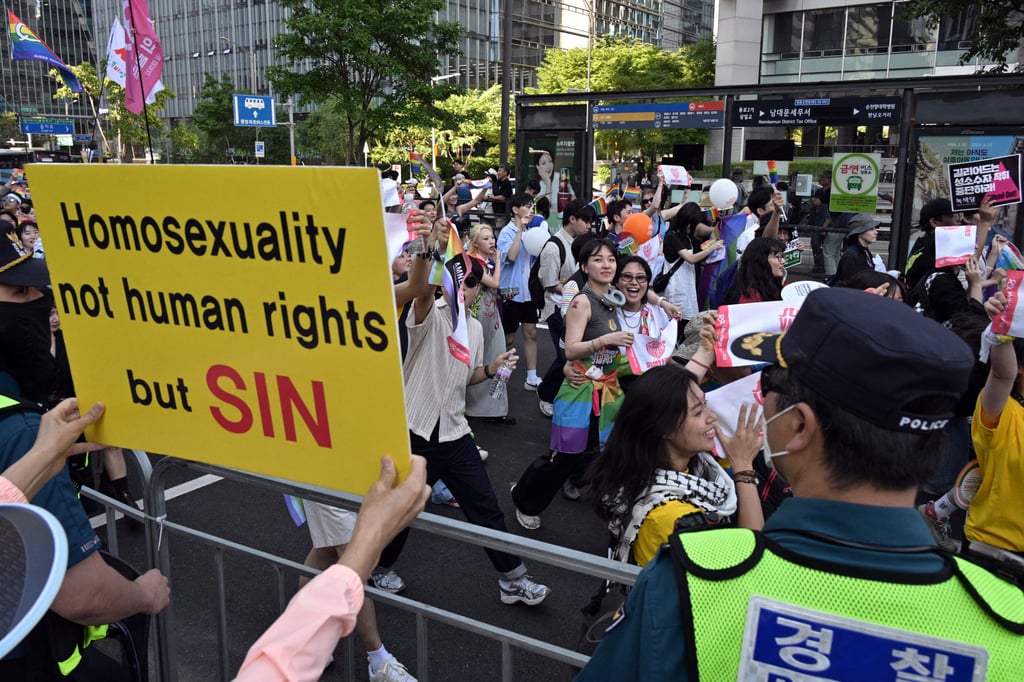
The institute blamed the writing team for the error, which it said had been carried over from older reference material.
Homosexuality is not criminalised for civilians in South Korea, though the Military Criminal Act still punishes same-sex conduct between service personnel. Across Asia, 23 nations still criminalise same-sex relations, according to the London-based Human Dignity Trust.
A notable recent exception is Singapore, which repealed Section 377A of its Penal Code, a colonial-era law that penalised sexual acts between consenting adult males, in 2022.
Among the countries that continue to criminalise homosexuality in Asia are Muslim-majority Malaysia and Brunei.
In Malaysia, the government is moving to drop the term LGBTQ in favour of the Malay phrase budaya songsang (deviant culture).
“The more we utter, write, or state [LGBTQ], the more ‘pop-out’ content related to it will appear. Without realising it, we are promoting the culture unknowingly,” Marhamah Rosli, deputy minister for religious affairs in the Prime Minister’s Department, told parliament’s upper house in February, according to the Bernama state news agency.
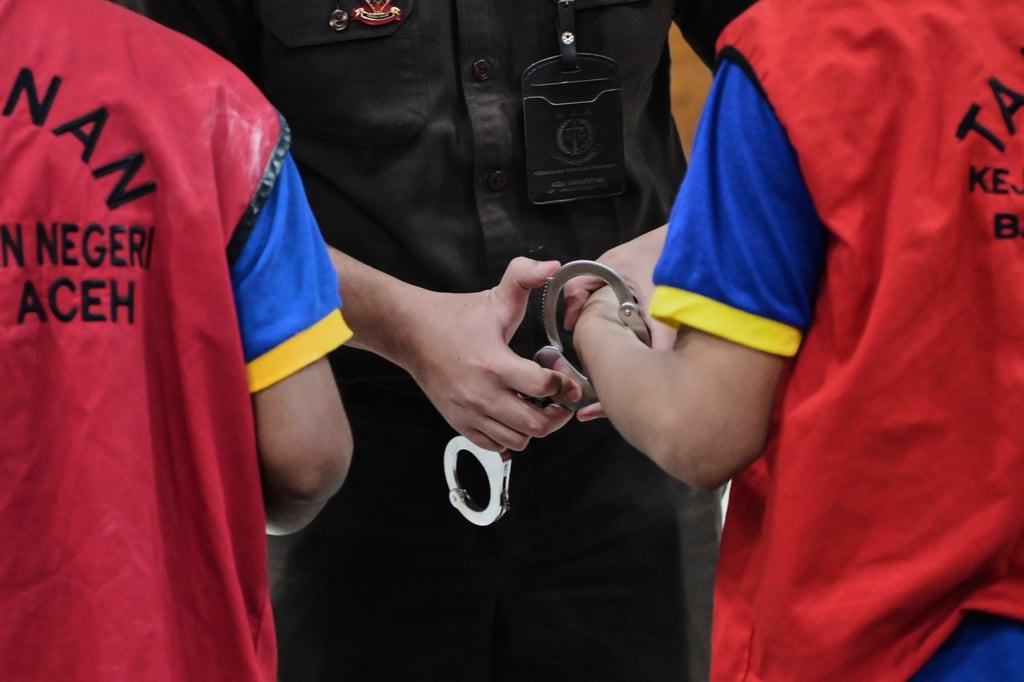
Indonesia does not criminalise homosexuality at the national level – though it is penalised under sharia by-laws in the autonomous Aceh province – but in 2025, the country listed the “spread of LGBTQ culture” as a non-military security threat in a presidential regulation.
Since July, the Ministry of Religious Affairs has been working on developing educational materials aimed at preventing its “spread”, with plans to release the revised materials in the coming academic year.
Historically, homosexuality was considered a psychiatric condition internationally until the World Health Organization removed it from its list of mental disorders in 1990.
KioskNews shows a cleaned-up reading view extracted from the publisher’s page — the original always lives on their site, not ours.