One Piece’s Massive Success Overshadows The True GOAT Of Manga

Emedo Ashibeze is a tenured journalist and critic specializing in the entertainment industry. Before joining ScreenRant in 2025. he wrote for several major publications, including GameRant.
Sign in to your ScreenRant account
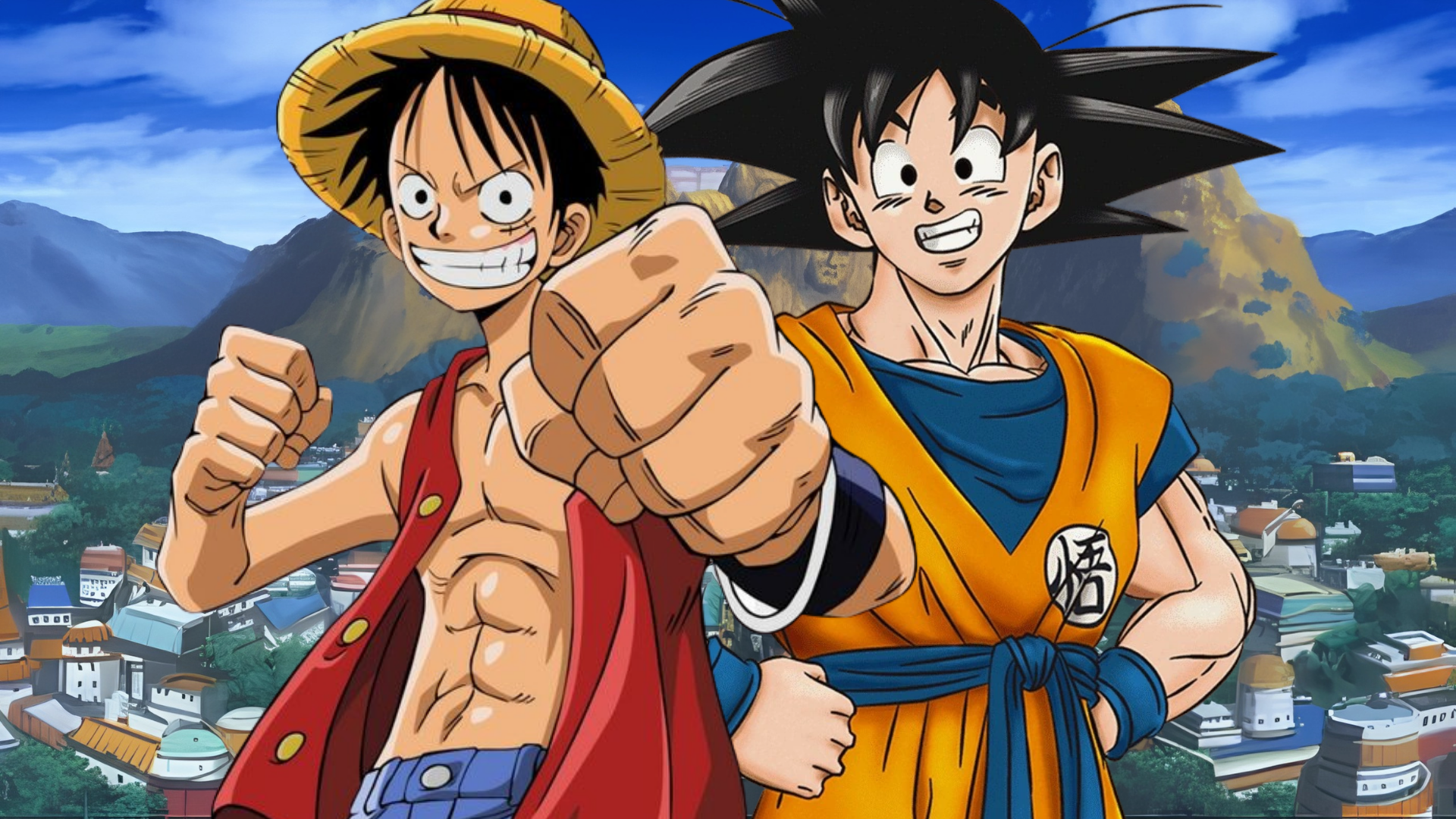
One Piece’s impact is undeniable, as the series often claims the spotlight as the undisputed anime heavyweight of modern sales and epic serialization. Eiichiro Oda’s sprawling pirate adventure has shattered publishing records, built a vast multimedia empire, and captured millions of hearts worldwide. However, this commercial success often overshadows the legacy of the medium’s true titan, Dragon Ball.
Akira Toriyama’s Dragon Ball helped define and popularise the shonen genre internationally. It established foundational tropes that became commonplace in manga and anime for decades, from stellar transformations and martial arts tournaments to redemption arcs for iconic rivals. Its kinetic artwork, iconic transformation sequences, and high-octane battles provided the blueprint for subsequent generations of creators, including Oda himself.
Though One Piece may boast higher total volume sales, Dragon Ball retains an unmatched, ubiquitous cultural footprint that transcends the traditional boundaries of manga fandom. Its iconography is deeply woven into global pop culture, inspiring references in Western hip-hop, professional athletics, and mainstream media. In terms of sheer influence and cultural impact, Dragon Ball remains the undisputed, foundational GOAT of manga.
One Piece Conquered Sales Charts, But Sales Records Do Not Measure Legacy

One Piece’s numbers are staggering, and it’s indisputable that Eiichiro Oda’s pirate epic holds the Guinness record for the most copies published of a comic series by a single author, with 600 million volumes in circulation worldwide across 114 volumes. The series has consistently dominated the market for over two decades, accumulating accolades across its long run.
One Piece’s commercial success also stems from a unique, compounding ecosystem of longevity and narrative momentum. While many hit manga see sharp sales peaks followed by steep drops after their anime adaptations end, One Piece has built an ever-expanding back catalog. Oda’s vast, interconnected world encourages readers to dive into the entire series, no matter where they start.
However, raw commercial triumph does not tell the full story of cultural influence. While One Piece’s financial statistics place it above all its peers, it reached this staggering height by leveraging a global manga market far larger and better distributed than the one Akira Toriyama worked in during the 1980s and early ’90s.
Moreover, by optimizing and extending the serialized business model pioneered decades earlier, One Piece cemented its status as a modern titan. Nonetheless, it is also a product of scale and time, as cumulative sales reward longevity and market growth as much as they reward impact. A series can accumulate volumes simply by never ending.
Influence is difficult to measure, but it leaves fingerprints everywhere. Dragon Ball wasn’t just a commercial success; it set the blueprint. Oda himself has called Toriyama’s work formative, and that same acknowledgement echoes through nearly every successor. When the industry’s biggest names name the same predecessor, that is not a sales statistic; that is a lineage.
Dragon Ball Is The Blueprint That Every Modern Shonen Follows

While One Piece has an unrivalled, towering volume count, Akira Toriyama’s Dragon Ball operates on an entirely different level of global reach. Long before streaming platforms and simultaneous worldwide releases brought anime fandom into sync, Dragon Ball broke through language barriers organically. It became the definitive gateway to Japanese animation for the Western Hemisphere, Latin America, Europe, and beyond.
Dragon Ball stands out from other anime because of its cultural footprint which has long escaped the confines of manga and anime fandom. It proved that anime could be popular with Western audiences, and now the concept of "going Super Saiyan” is instantly understood across sports, hip-hop lyricism, and Internet culture as the universal shorthand for transcending one's limits.
Furthermore, professional athletes mimic the Kamehameha on world championship stages, and artists cite Goku’s relentless work ethic as their primary creative inspiration. Toriyama invariably created an iconography that speaks a truly universal language. Notably, its successors, Bleach, Naruto, and One Piece, drew influence from it, shaping them into the juggernauts they are today.
Consequently, Dragon Ball Z gave a generation of kids who were tired of the “Monster of the week” format in shows like Power Rangers something new and exciting. With villain-centric arcs spanning 30+ episodes focused on a single villain, it fundamentally shaped the format Shonen Jump still uses today.
Dragon Ball’s visually stunning, iconic transformation sequences revolutionized the anime industry, offering an effective, aesthetically pleasing way to show characters’ personal growth. They still appear today in forms like Naruto’s Sage Mode, Luffy’s Pound Man, and Gon’s Muscle form. Goku also popularised the happy-go-lucky, airheaded protagonist archetype that many shonen protagonists would reference.
Ultimately, even One Piece, which departs from the formula in important ways, runs on Dragon Ball logic: stronger opponent per arc and the awakened-form reveal. The vocabulary of power levels, power-ups, and training montages is now so ubiquitous that readers often forget its origin. What separates influence from popularity is how deeply a single franchise changes the medium.
Dragon Ball is the True Manga GOAT, and One Piece’s Superior Numbers Can’t Change That
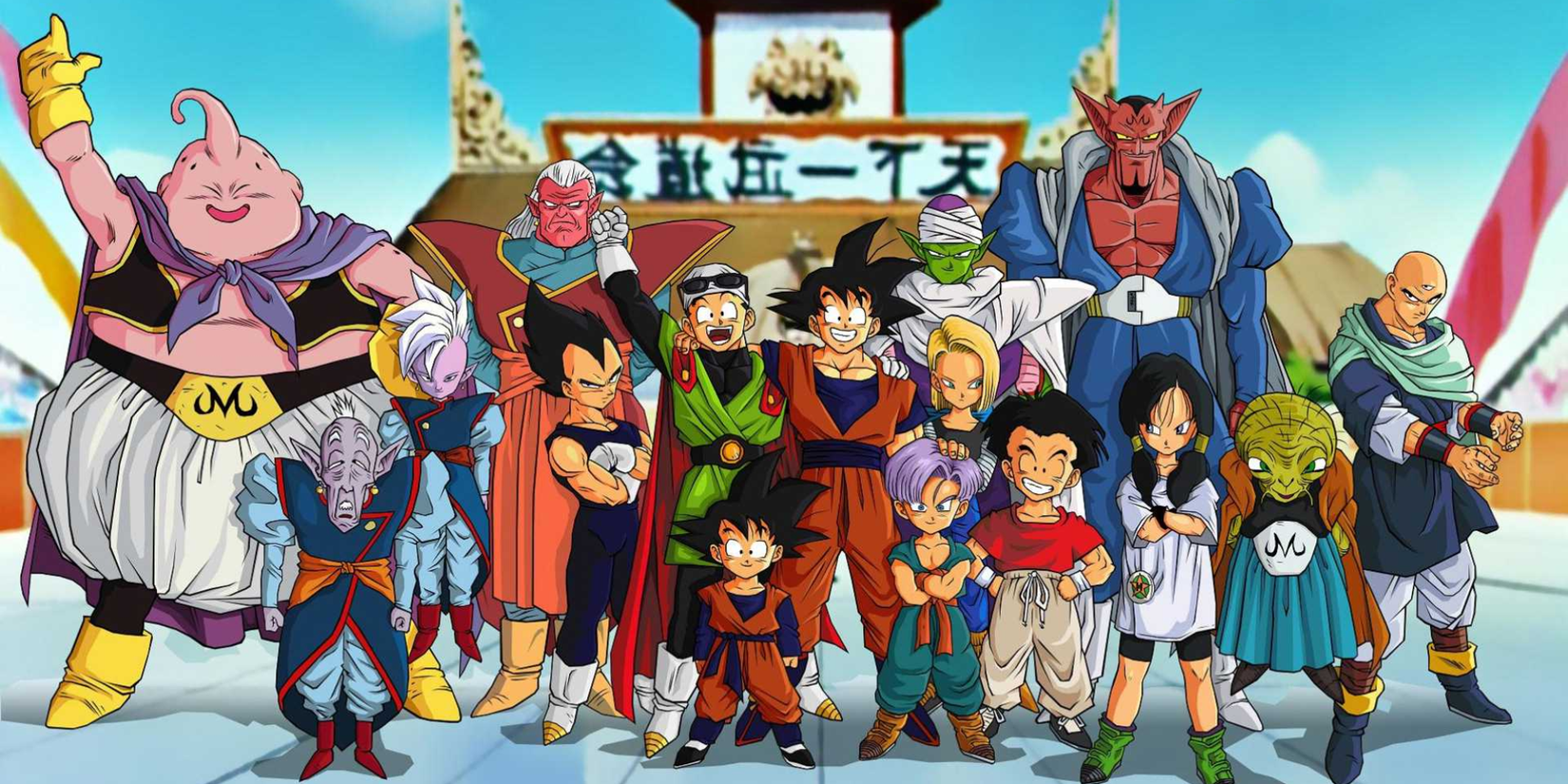
Total volume should not be conflated with fundamental influence when discussing creative media. Modern publishing structures, focused digital marketing, and unprecedented global availability let contemporary hits reach numbers unthinkable for creators in the '80s and '90s. One Piece’s record-shattering 110-plus volume run is a triumph of narrative endurance, but counting books sold per title distorts the true equation.
When adjusted per volume, Dragon Ball’s shorter, tighter 42-volume run still delivers an unmatched concentration of reader demand and, more importantly, laid the foundation for One Piece’s commercial success. Dragon Ball’s GOAT status shows in its artistic offspring. Without Akira Toriyama, the modern shonen landscape simply does not exist.
Moreover, Dragon Ball showed the industry how to structure battle choreography, handle emotional character transformations, and serialize action for television audiences worldwide. Every modern shonen inadvertently follows in Dragon Ball’s footsteps and operates within a genre language Toriyama authored.
Dragon Ball’s far-reaching influence is undeniable, proving that while One Piece may have the numbers, Dragon Ball is a phenomenon that transcends anime. Goku has floated through the Macy’s Thanksgiving Day Parade, and in Mexico, May 9 is observed as Goku Day, a fan-born holiday that grew into a public event.
As a result, Dragon Ball became a once-in-a-lifetime historical phenomenon that defied what was possible at the time by making anime a staple of Western culture. The franchise endures across generations, commanding global box office numbers, dominating video game charts, and inspiring new television iterations decades after the original manga completed its initial run in Weekly Shonen Jump.
Ultimately, One Piece is still ongoing, and its world is ever-expanding. However, while One Piece may reign as the indisputable giant of publishing metrics, and without discounting its growth potential, Dragon Ball remains the undisputed GOAT of manga. One Piece’s massive success does not diminish what Dragon Ball has done, and continues to do, for the medium.
- Release Date
- October 20, 1999
- Network
- Fuji TV
- Directors
- Hiroaki Miyamoto, Konosuke Uda, Junji Shimizu, Satoshi Itō, Munehisa Sakai, Katsumi Tokoro, Yutaka Nakajima, Yoshihiro Ueda, Kenichi Takeshita, Yoko Ikeda, Ryota Nakamura, Hiroyuki Kakudou, Takahiro Imamura, Toshihiro Maeya, Yûji Endô, Nozomu Shishido, Hidehiko Kadota, Sumio Watanabe, Harume Kosaka, Yasuhiro Tanabe, Yukihiko Nakao, Keisuke Onishi, Junichi Fujise, Hiroyuki Satou
- Writers
- Jin Tanaka, Akiko Inoue, Junki Takegami, Shinzo Fujita, Shouji Yonemura, Yoshiyuki Suga, Atsuhiro Tomioka, Hirohiko Uesaka, Michiru Shimada, Isao Murayama, Takuya Masumoto, Yoichi Takahashi, Momoka Toyoda
- Franchise(s)
- One Piece
-

Mayumi Tanaka
Monkey D. Luffy (voice)
-
Kazuya Nakai
Roronoa Zoro (voice)
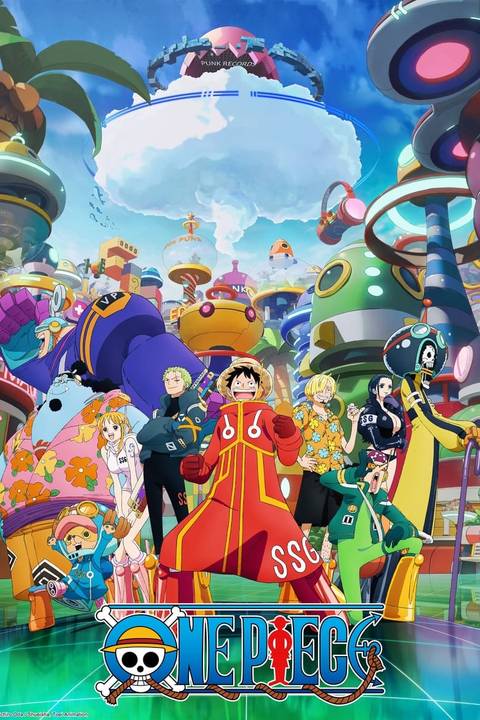
The One Piece anime began in 1999 and follows the adventures of Monkey D. Luffy, a boy with rubber-like abilities, as he embarks on a journey to find the legendary treasure "One Piece." Inspired by the pirate Shanks, Luffy aims to become the King of the Pirates, accompanied by a diverse crew.
KioskNews shows a cleaned-up reading view extracted from the publisher’s page — the original always lives on their site, not ours.