Nasa’s Voyager 1 phones home from an awe-inspiring 1 light-day away
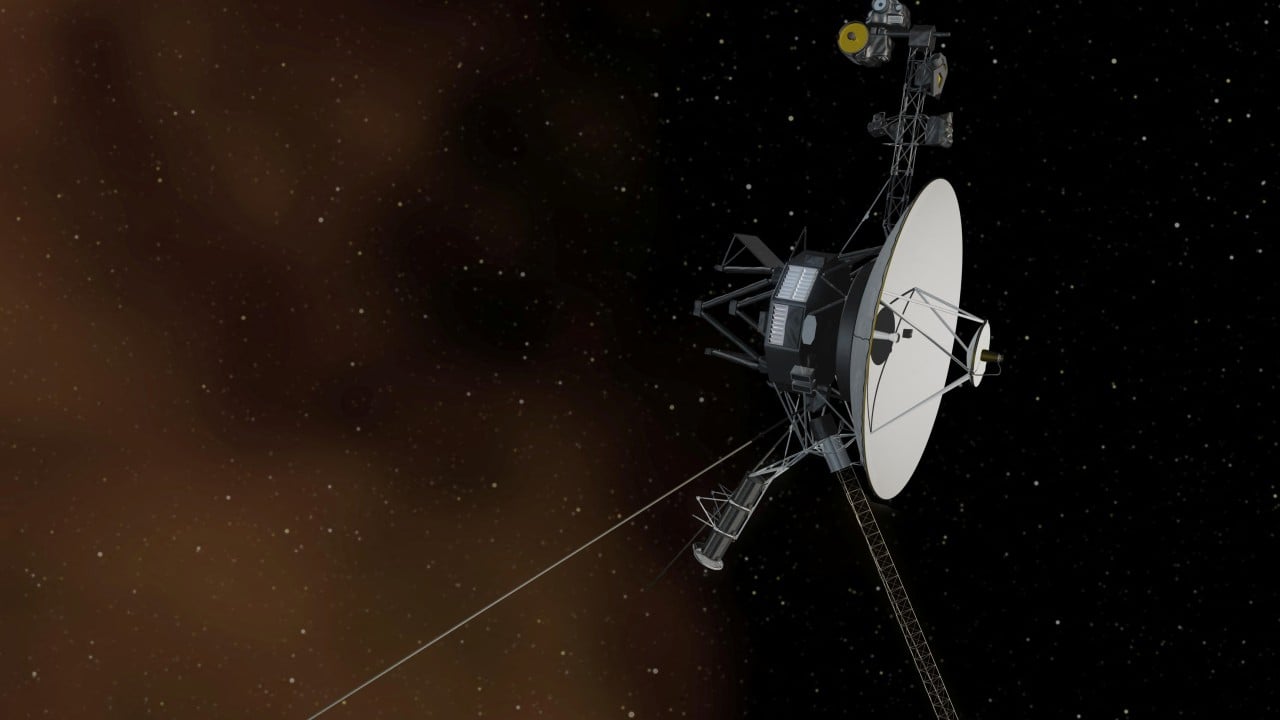
Nasa’s Voyager 1 has phoned home from one light-day away, humanity’s first emissary to cross this monumental threshold way out in interstellar space.
Flight controllers received the spacecraft’s call on Thursday, exactly 24 hours after it was sent. That is how long it took for the radio signal to traverse the more than 16 billion miles (26 billion kilometres) at the speed of light.
“Travelling a light-day is a singular feat for a spacecraft, but Voyager is so much more than a distant traveller,” Nasa’s Joe Westlake, the heliophysics division director, said in a statement.
It marked another day in the history books for Voyager 1, which launched in 1977.
It swept past Jupiter in 1979 and Saturn in 1980, snapped the most distant photo ever taken of our “Pale Blue Dot” in 1990, became the most distant human-made object in 1998 and crossed from the sun’s sphere of influence into the vast void between stars in 2012.
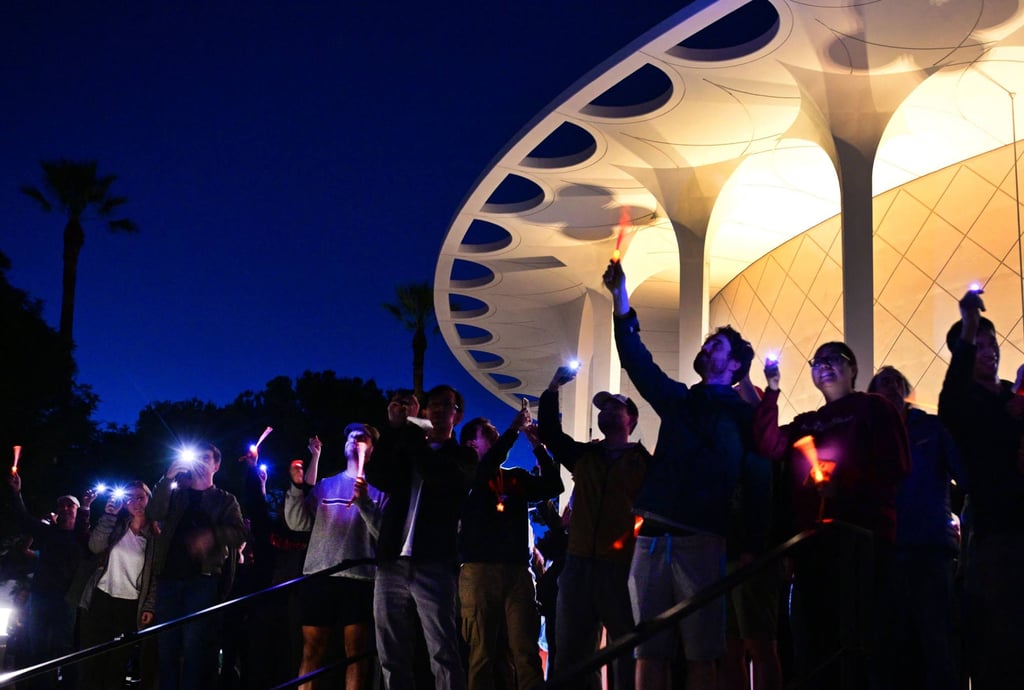
Nasa could not confirm this newest distance record until the signal reached the control team at California’s Jet Propulsion Laboratory. But that did not stop the space agency from wishing everyone a “Happy Voyager light-day … day!” via social media the day before.
“Voyager 1 crossing the light-day threshold is yet another historic feat on an extraordinary voyage of discovery,” JPL director Dave Gallagher said in a statement.
Voyager 1 and its twin, Voyager 2, are Nasa’s longest-operating space missions, still churning out data despite powering down most of their instruments to keep exploring.
Voyager 2 actually beat its twin into space by two weeks. But its route to Jupiter and Saturn plus Uranus and Neptune was slower and longer, and it did not reach interstellar space until 2018. It will not reach the one-light-day mark until 2035.
Both spacecraft are doing well for their 49 years of age, ploughing through space at 38,000 mph (61,000km/h) with plutonium for power.
Picture-taking ended long ago, but they typically send back bits of precious data almost every day on their never-before-explored environment.
No science or engineering data has been received from Voyager 1 since Saturday, according to Nasa.
However, the carrier signal that normally conveys that data kept coming and, along with flight path calculations, allowed the team to confirm the light-day milestone.
Controllers are trying to figure out why the flow of science and engineering data stopped.
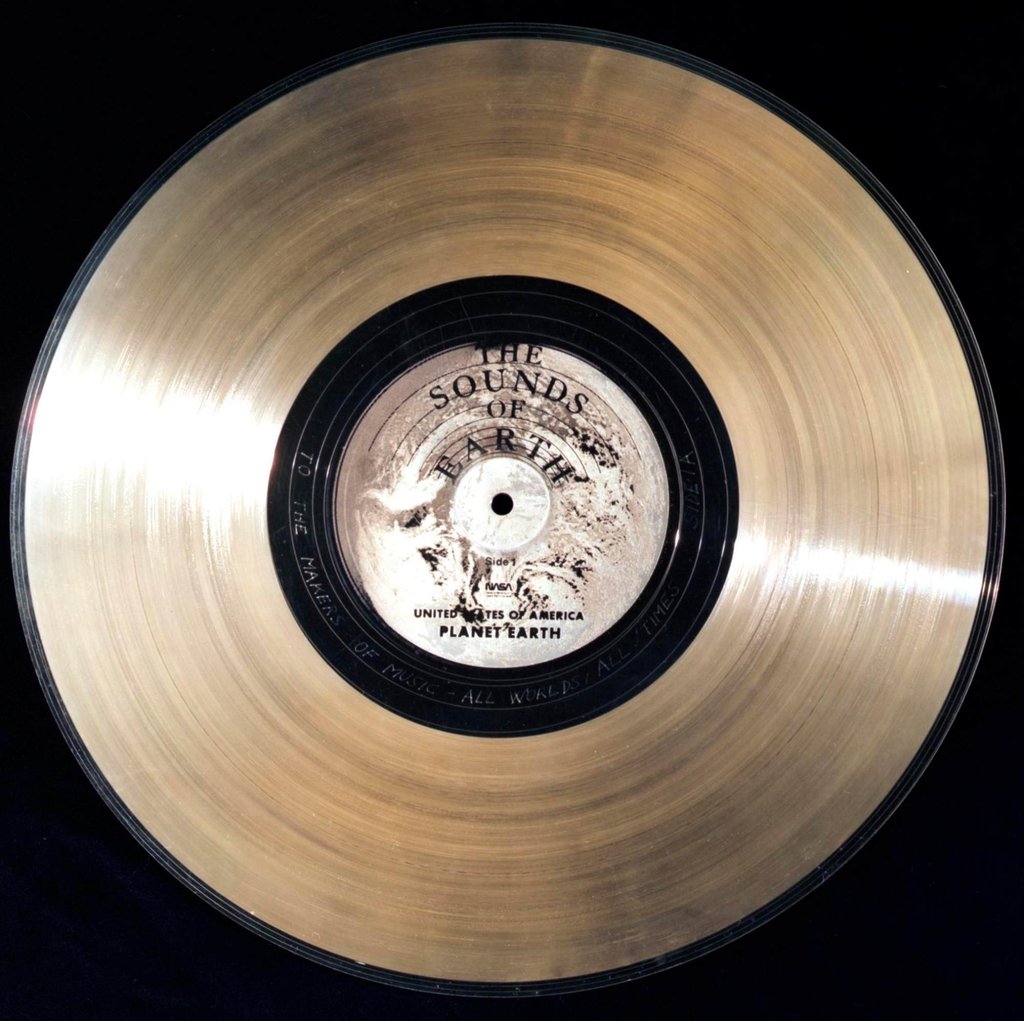
Each carries a so-called Golden Record brimming with the sounds of Earth.
The project was led by the late Cornell University astronomer Carl Sagan, who also coined the phrase “Pale Blue Dot” for Voyager 1’s farewell glimpse of Earth.
Nasa expects the gold-plated phonographic records – time capsules for anyone or anything that might encounter them – to last more than 1 billion years.
KioskNews shows a cleaned-up reading view extracted from the publisher’s page — the original always lives on their site, not ours.