U.S.-China AI rivalry forces countries to navigate competing technology blocs
Antonio Bordunovi/iStock Editorial via Getty Images
The growing rivalry between the United States and China over artificial intelligence is forcing countries to navigate competing technology alliances, raising questions about access to advanced semiconductors, investment and the future of global AI development.
Washington is building its Pax Silica alliance around trusted technology partners and secure supply chains, while Beijing is promoting its World AI Cooperation Organization as a more inclusive alternative, the Associated Press reported. Countries increasingly face a choice between American leadership in advanced chips and AI systems and China's lower-cost, open-source technology.
For investors, the emergence of rival AI blocs could reshape global demand for semiconductors, cloud computing infrastructure and data centers while influencing where technology companies direct capital spending. Restrictions on access to advanced U.S. technology could create opportunities for Chinese alternatives, although countries seeking partnerships with both powers risk becoming entangled in trade restrictions and geopolitical disputes.
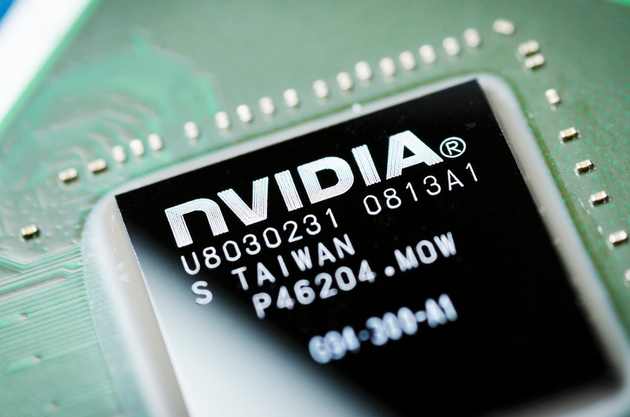
Kazakhstan illustrates the dilemma. The Central Asian country joined Pax Silica in June before becoming a founding member of China's AI organization three weeks later. Its government has also signed an investment agreement worth up to $10 billion involving Nvidia (NVDA) to develop a network of data centers, while Chinese investment in the country reached a record $2.8 billion in 2025.
Washington has warned that countries participating in initiatives that advance competing AI systems may jeopardize their standing as trusted U.S. partners. Beijing, meanwhile, is promoting international cooperation and access to affordable AI technology as it seeks to challenge American dominance.
Other countries are pursuing similar strategies. Indonesia, which has substantial nickel and copper resources, has joined China's initiative while seeking American technology partnerships. Singapore is considering membership in the Chinese organization even as U.S. companies expand operations there. Saudi Arabia is developing AI infrastructure with Nvidia chips while adopting technology based on Chinese open-source models.
France is pursuing greater technological independence through AI developer Mistral, while Japan remains closely aligned with Washington on semiconductor security but may continue using inexpensive Chinese models for less-sensitive applications. Countries such as Germany and Britain, which lack domestically developed frontier AI models, remain particularly dependent on access to American technology.
China is also expanding its influence in developing economies through financing and technical assistance. Research from William & Mary's AidData laboratory found that Beijing has provided grants and loans supporting AI-related projects in at least 77 low- and middle-income countries. Despite those efforts, the U.S. retains an advantage in the most advanced AI systems, leaving many governments struggling to secure technological independence without sacrificing access to either superpower's capabilities.
KioskNews shows a cleaned-up reading view extracted from the publisher’s page — the original always lives on their site, not ours.