8 Sci-Fi Shows More Universally Loved Than 'Stranger Things'

Diego Pineda has been a devout storyteller his whole life. He has self-published a fantasy novel and a book of short stories, and is actively working on publishing his second novel.
A lifelong fan of watching movies and talking about them endlessly, he writes reviews and analyses on his Instagram page dedicated to cinema, and occasionally on his blog. His favorite filmmakers are Andrei Tarkovsky and Charlie Chaplin. He loves modern Mexican cinema and thinks it's tragically underappreciated.
Other interests of Diego's include reading, gaming, roller coasters, writing reviews on his Letterboxd account (username: DPP_reviews), and going down rabbit holes of whatever topic he's interested in at any given point.
Sign in to your Collider account
Matt and Ross Duffer were always huge fans of M. Night Shyamalan, and after they got the opportunity to be mentored by the legendary filmmaker while working on some episodes of Wayward Pines, they felt that they were ready to produce their own TV show. After several cable networks passed on their pitch of a paranormal science fantasy series led by child characters, Netflix finally decided to purchase the whole first season of Stranger Things. The rest is history.
Even with how widely controversial its fifth and final season was, there's no denying that Stranger Things is not only far and away one of the most successful shows in the history of the streaming era of television, but also one of the most universally loved — and most fun — sci-fi shows of all time. However, there are eight particular sci-fi masterpieces which are almost inarguably more universally loved than Stranger Things. Typically counted among the genre's greatest shows in history, these gems should be considered essential viewing for all sci-fi fans.
8 'Cowboy Bebop' (1998–1999)
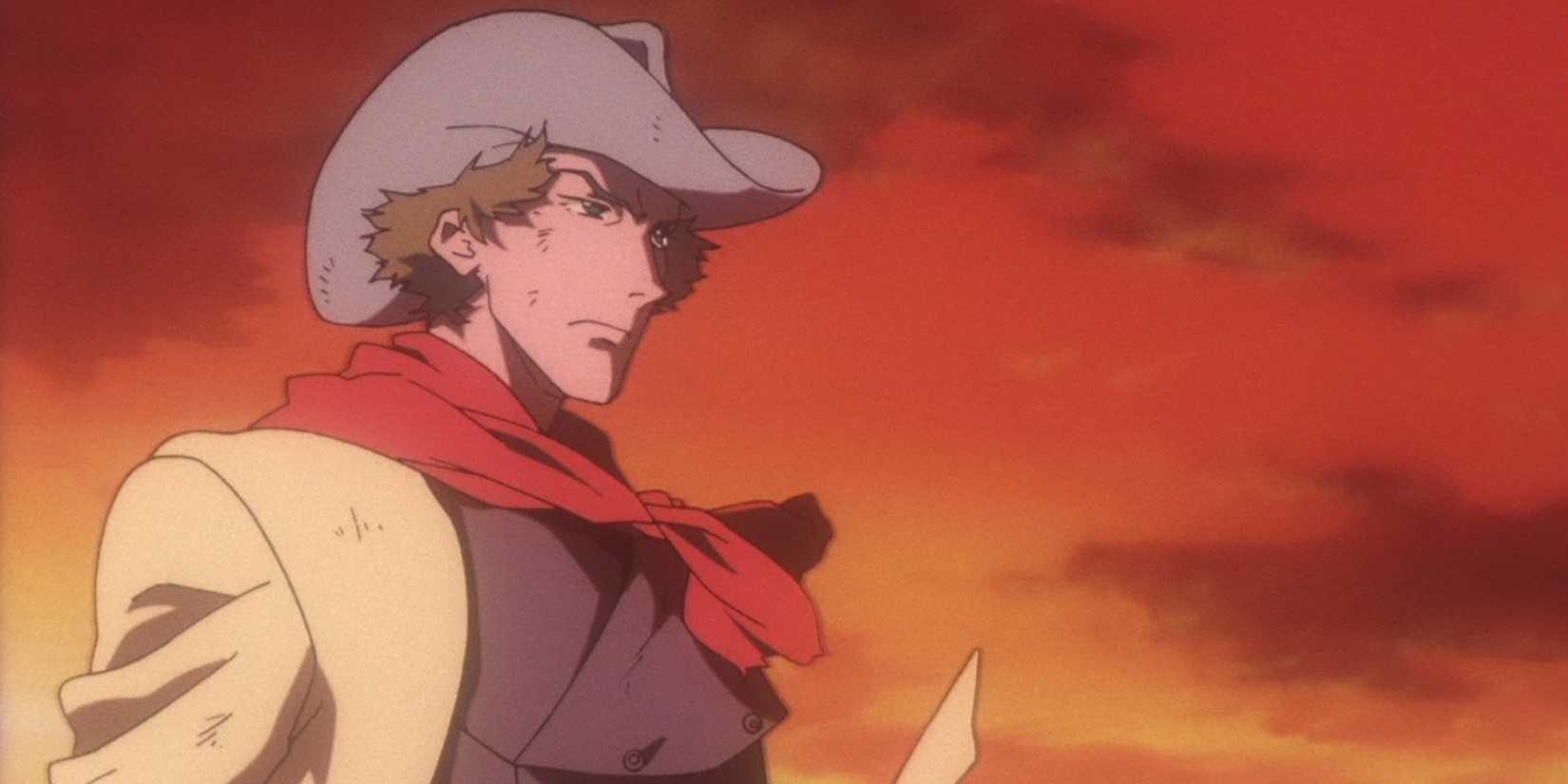
Widely regarded as one of the most important and foundational anime series in the history of television, Cowboy Bebop greatly helped popularize anime television in the Western world between the late '90s and early 2000s. It's one of those anime classics where every episode is a masterpiece, a neo-noir space Western that's truly unlike anything else that the small screen has ever seen — animated or otherwise.
Whereas Stranger Things' five-season run was very clearly not entirely pre-planned right off the bat, Cowboy Bebop was conceived as a self-contained, 26-episode serialized story with a clear ending and definitive conclusion. This allows it to never overstay its welcome nor drag out its mystery any longer than it needs to, factors that greatly helped keep its narrative integrity entirely untarnished and which have allowed it to age like fine wine.
7 'Firefly' (2002–2003)
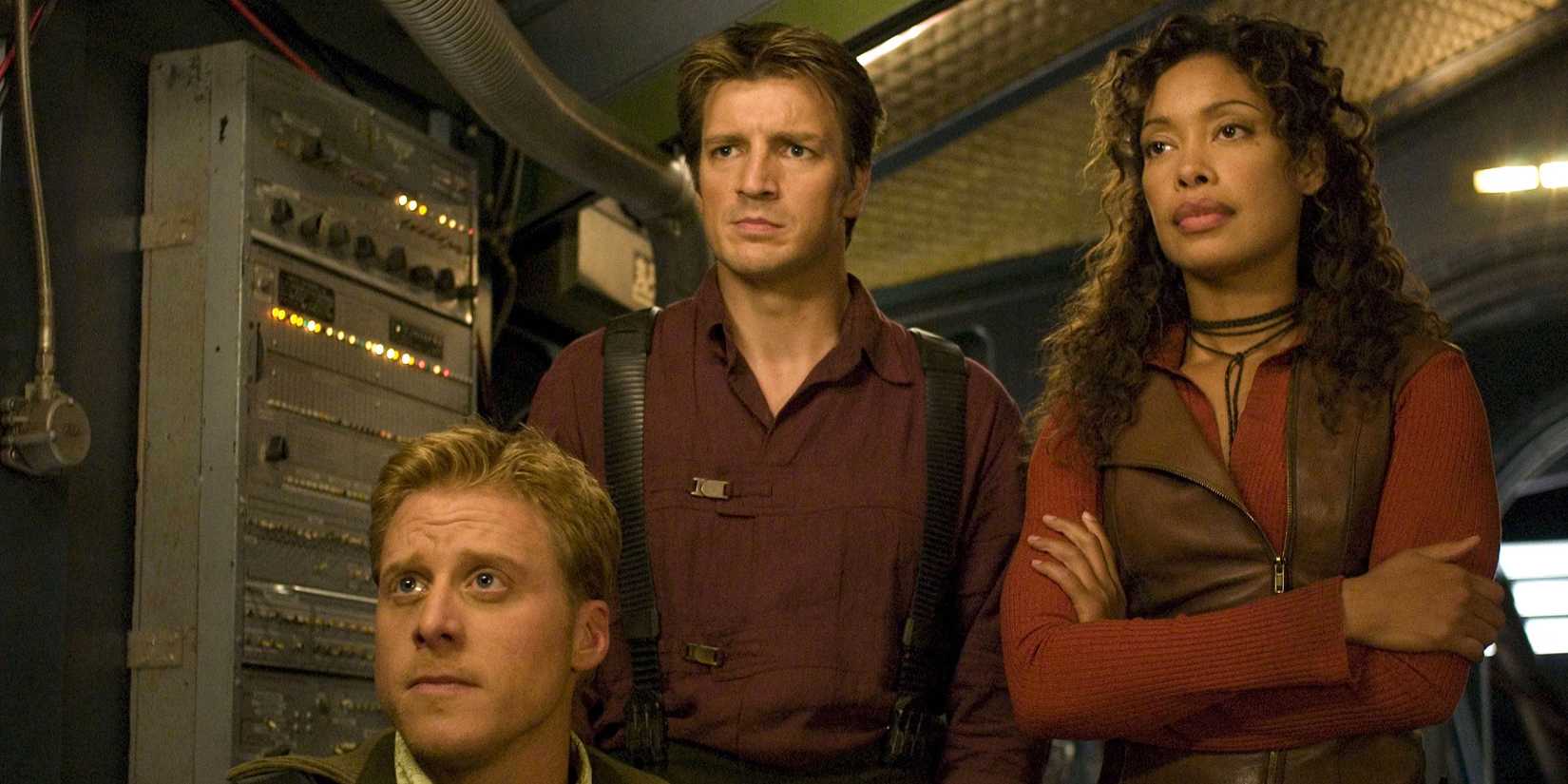
With an animated continuation of Firefly fast approaching, now's about as perfect a time as any for newcomers to watch one of the most perfect sci-fi shows of the last 25 years. Though the series was canceled after only one season, never allowed to reach its tremendous full potential, it has nevertheless remained one of the most beloved and acclaimed sci-fi cult classics in the history of television, and for good reason.
Whether it's the exceptional star-studded cast, how fun to follow around all the characters are, or how perfectly the series leverages its space Western elements, Firefly is almost undeniably a foundational modern classic. Where Stranger Things is a massive, mainstream pop-cultural monolith, Firefly has spent years being propped up by its cult status as a sort of "underdog" series, always fueled by the mythical ideas of what could have been.
6 'Star Wars: The Clone Wars' (2008–2020)

After the almost universally panned 2008 movie of the same name, expectations for Cartoon Network's Star Wars: The Clone Wars weren't exactly high. As it went on, however, this anthology series kept growing into not only the most universally beloved Star Wars TV show to date, but truly one of the most widely adored animated series that the 21st century has thus far seen. Whenever fans rank every Star Wars show, Clone Wars is most often either right at the very top or remarkably close to it.
Indeed, not even Stranger Things' massive mainstream status comes even remotely close to the level of pop-cultural significance of the Star Wars franchise as a whole, which perhaps makes it less surprising that Clone Wars could be counted among the most universally beloved sci-fi shows in history. It helped redeem and popularize George Lucas' prequel trilogy and the lore it established; it set up some of the most unforgettable characters and storylines in Star Wars history, and it proved how enjoyable cartoons aimed at children could be for viewers of all ages.
5 'The Expanse' (2015–2022)

Based on the legendary novels by James S. A. Corey (the pen name of Daniel Abraham and Ty Franck), one of the best sci-fi book series of modern times, The Expanse is fittingly also often counted among the best sci-fi TV series of modern times. Praised for its incredible writing, artful pacing, and some of the highest scientific accuracy that small-screen sci-fi has ever seen, it's a true must-see for people who love hard science fiction.
In many ways, similar to Stranger Things, The Expanse is one of those sci-fi shows that get better when everything falls apart, but with a reputation among sci-fi fans that comes much closer to being truly flawless. Of course, Netflix's smash hit is far more focused on soft horror and science fantasy, whereas The Expanse is substantially more concerned with hard scientific plausibility. But though both shows are very different, fans tend to agree that The Expanse is of a uniformly higher quality all-around.
Collider Exclusive · 8 Questions · 2 Minutes Which Netflix Character Would Be Your Best Friend? Dustin · Emily · Wednesday · Gi-hun
Some friends drag you out of the house. Some sit with you on the worst night of your life. Netflix has written both, plus the one who tells you the truth you have been avoiding all week. Answer eight quick questions about how you actually do friendship, and find out which of them was always going to end up in your corner.
🧢Dustin(Stranger Things)
🗼Emily(Emily in Paris)
🕷️Wednesday(Wednesday)
🟢Gi-hun(Squid Game)
01
How do you usually end up making a new friend? The origin story says a lot about the friendship that follows it.
02
What is a perfect Saturday with your best friend? Friendship is mostly built out of very ordinary hours.
03
You call them at two in the morning. What happens? This is the real test of a friendship, and everybody knows it.
04
What do you want from them when you are clearly wrong? The best friendships are the ones that survive being corrected.
05
What do your friends actually value about you? The friend you attract says something about the friend you are.
06
You have a falling out. How does it go? How a friendship repairs itself matters more than how it breaks.
07
What do you actually need a best friend for? Everybody is missing something. The right friend fills that gap.
08
Ten years from now, what keeps the two of you close? Eight questions in, this is the one that decides who you get.
The Group Chat Has Spoken Your Best Friend Is…
Four Netflix characters, four completely different ways of showing up for somebody. This is the one who fits how you actually do friendship, and what having them in your life would be like.
Dustin Henderson
You do not do friendship at half volume, and neither does he. What you want is somebody who says yes to the plan before you have finished describing the plan.
- Dustin is the friend the entire show runs on: loyal past the point of sense, enthusiastic about everything, and incapable of leaving anybody behind.
- You have the same instinct. Your friendships are loud, specific and slightly ridiculous, and they last for decades because of it.
- He is also the one person who would take your strangest interest completely seriously, which is far rarer than it sounds.
- You would have a group chat. It would never once be quiet.
Emily Cooper
You are the friend who makes things happen, and so is she. Together you would be mildly exhausting to everyone around you and completely delighted with yourselves.
- Emily treats an ordinary Tuesday as something that could be turned into an occasion, which is either the best or the worst quality in a friend depending on your energy levels.
- You share her refusal to sit still. Neither of you has ever accepted a night in when something was happening somewhere else.
- She is far more loyal than people give her credit for. She defends her friends loudly, publicly, and occasionally before checking the facts.
- She would post the photo without asking. You would forgive her, because it is a very good photo.
Wednesday Addams
You have no patience for pleasant lies, and she has no ability to tell them. What looks like coldness from the outside is the most reliable friendship on this list.
- Wednesday never says a kind thing she does not mean, which makes the rare ones count for an enormous amount.
- You would rather be told the truth than be made comfortable. She is constitutionally incapable of offering you anything else.
- Underneath all of it she is ferociously protective. She simply refuses to make a performance out of caring.
- Do not expect a birthday message. Do expect her to ruin anyone who wrongs you.
Seong Gi-hun
You look after whoever is having the worst day. So does he. It is the least strategic way to move through the world and the best possible quality in a friend.
- Gi-hun is not the strongest player in Squid Game, or the cleverest. He is the one who keeps choosing to protect somebody else, over and over, at genuine cost to himself.
- You have the same instinct. You notice who is struggling and you stay with them, long after anybody would blame you for leaving.
- He is a flawed friend, and that is part of why it lands. He lets people down, then comes back and tries again, which is more than most manage.
- He would give you his last chance and never once mention that he had done it.
4 'Battlestar Galactica' (2004–2009)
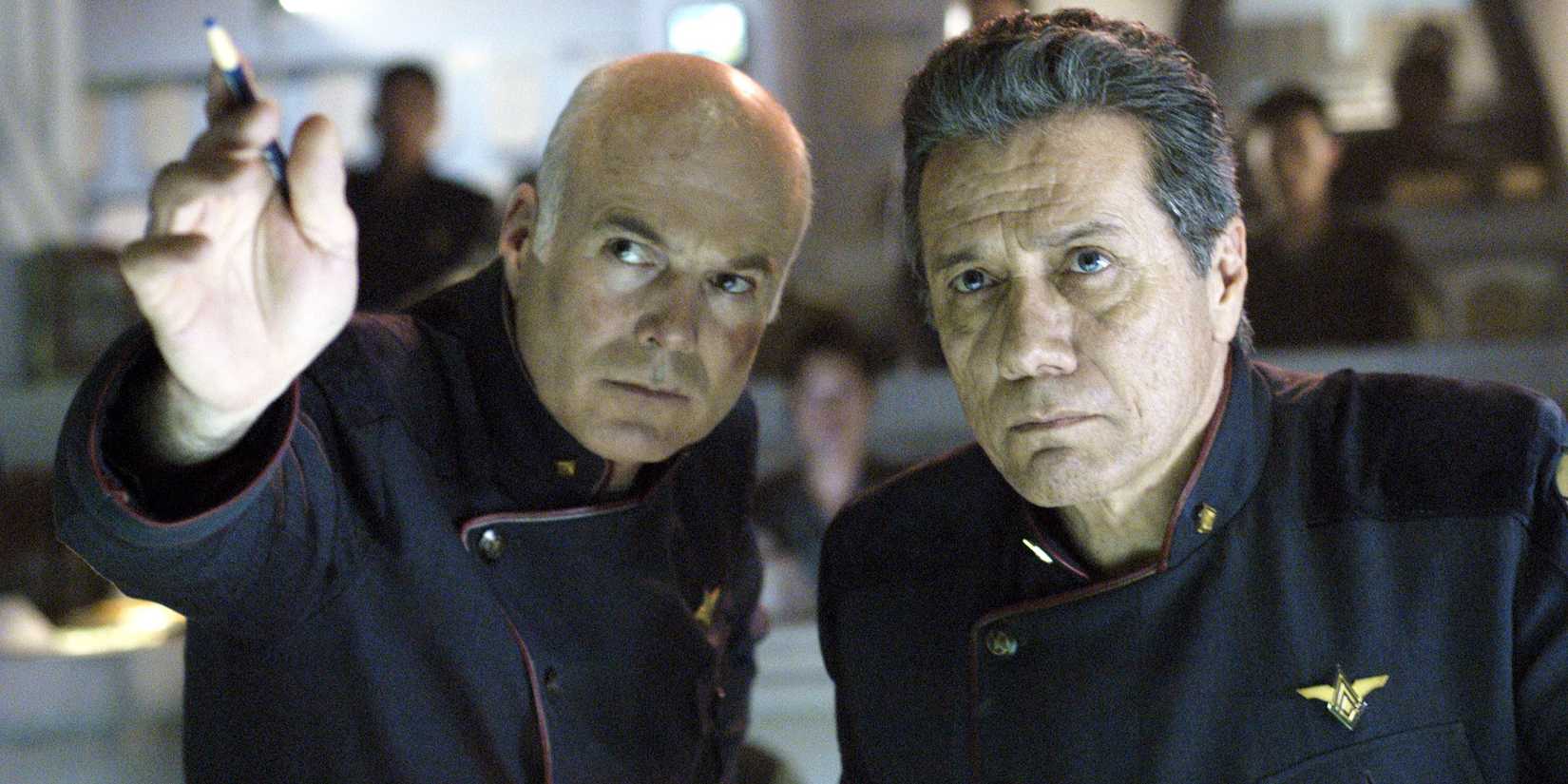
Though it's still a fun watch, 1978's Battlestar Galactica was already quite dated going into the 21st century. As such, it's all the more admirable that 2004's remake was not only considerably superior to its predecessor, but that it genuinely built a reputation as one of the most universally acclaimed and beloved sci-fi series in history. Almost two decades after its conclusion, that reputation is still pretty much spotless.
Much like Stranger Things, Battlestar Galactica had elements in its final season that were pretty controversial; those controversies never overpowered the show's tremendous quality, however, and that's why it's still remembered among the most addictive sci-fi shows in history. Its cult following may arguably be somewhat more niche than that of Stranger Things, but its groundbreaking cultural relevance and importance in modern sci-fi history are even greater.
3 'Black Mirror' (2011–Present)

Anthology series have been among sci-fi television makers' favorite forms of doing small-screen content for many years, but the format became even more popular thanks to the popularity of Black Mirror. One of the best thriller shows of the last 50 years, this British masterpiece has come to completely revolutionize anthology genre television, as well as put up a chilling mirror to contemporary society's evolving relationship with technology.
It's that thematic timeliness and relevance that has allowed Black Mirror to stay on the air for as long as it has, and made it one of the most timeless shows in the modern history of sci-fi television. Netflix struck gold both with this and with Stranger Things, and even though (like all anthology shows in history) Black Mirror is not without some dud episodes, it has nevertheless been more widely acclaimed as a bold, risk-taking gem of modern genre television.
2 'Dark' (2017–2020)
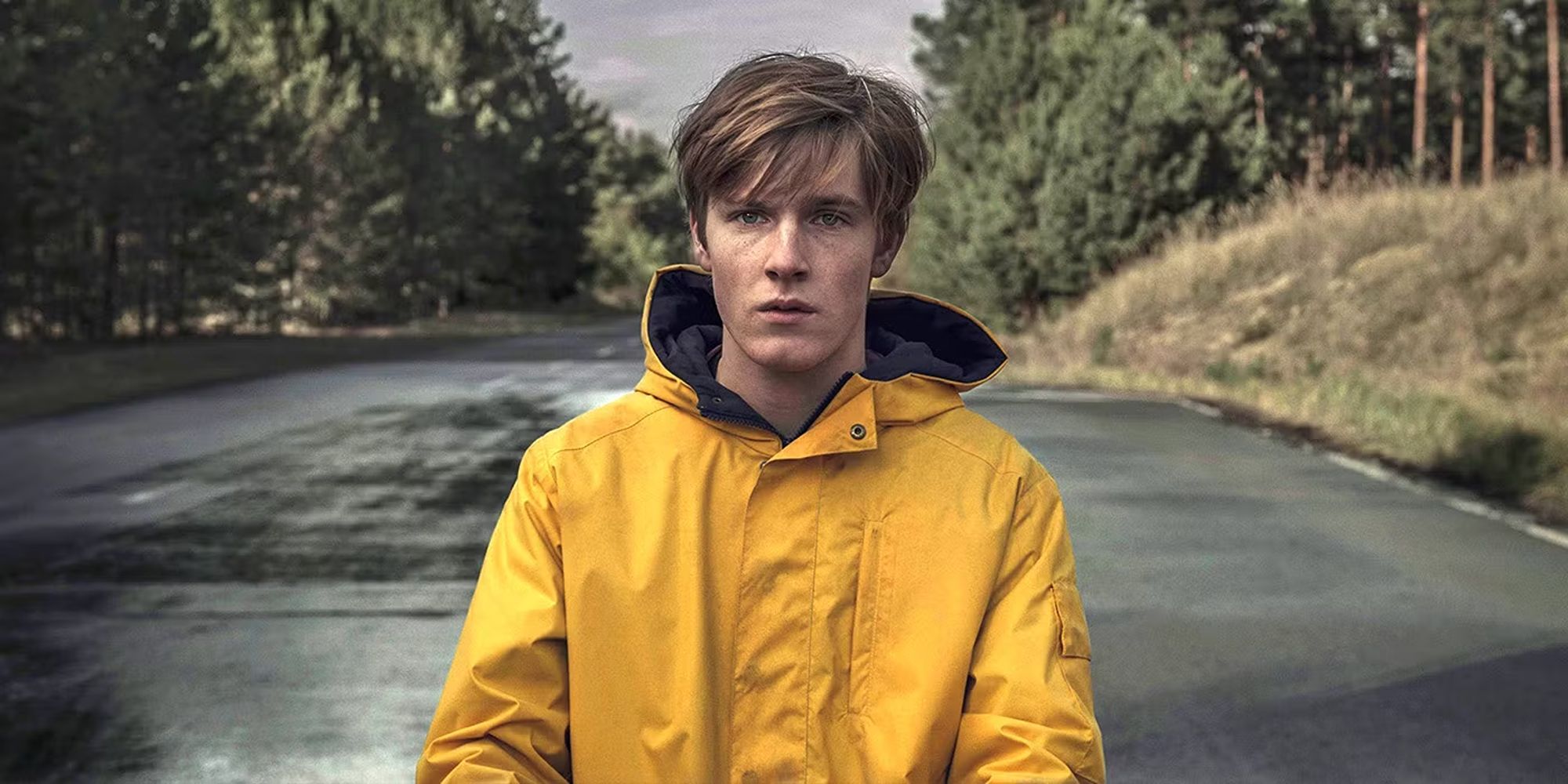
Largely because it's so masterfully mind-bending and so inarguably difficult to keep track of during one's first watch, Dark is one of those perfect sci-fi shows worth re-watching over and over again. Netflix's decision to approve a ten-episode series that would serve as one of their first international productions (and their very first German-language series) wasn't without its risks — but the decision ended up paying off in spades, because Dark is nowadays widely praised as one of the greatest time travel and parallel universe sci-fi shows in history.
A big factor in Dark's success and universal level of praise is the fact that its intricately plotted three-season run was meticulously planned out from the very start, something that may have benefited Stranger Things' reputation in the long run. But even on top of that, it's the amazing character writing, the gripping hard sci-fi study of complex philosophical themes, and the strong emotional core that have allowed Dark to be so universally beloved for years after its finale.
1 'The Twilight Zone' (1959–1964)

People may make arguments for several different shows, but it's almost undeniable that the single most groundbreaking, foundational, and influential sci-fi TV show of all time is the anthology masterpiece The Twilight Zone. Rod Serling's magnum opus is one of those brilliant sci-fi shows that kept one great idea running for years, completely changing the game for virtually all of its subgenres. Over 60 years after it came to an end, it's still universally beloved and acclaimed.
Indeed, where many sci-fi series from the '50s and '60s have come to feel pretty dated by modern standards, Twilight Zone has only gotten better, more fun, and more widely beloved with age. It's one of the most important accomplishments in the history of science fiction, a true pop-cultural giant unlike anything else the genre has ever seen. Its influences can be felt across virtually any and all sci-fi shows that came after — Stranger Things included — and as such, it's almost unfair to compare its universal level of acclaim with that of any other series.
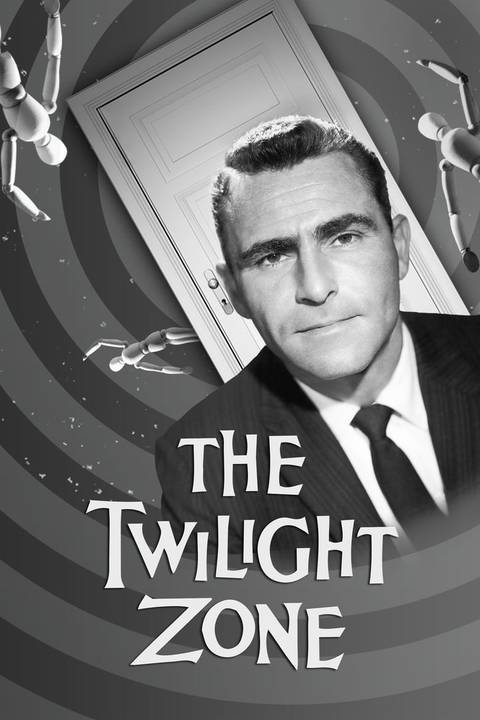
The Twilight Zone
- Release Date
- 1959 - 1964-00-00
- Network
- CBS
- Showrunner
- Rod Serling
- Directors
- John Brahm, Buzz Kulik, Douglas Heyes, Lamont Johnson, Richard L. Bare, James Sheldon, Richard Donner, Don Medford, Montgomery Pittman, Abner Biberman, Alan Crosland, Jr., Alvin Ganzer, Elliot Silverstein, Jack Smight, Joseph M. Newman, Ted Post, William Claxton, Jus Addiss, Mitchell Leisen, Perry Lafferty, Robert Florey, Robert Parrish, Ron Winston, Stuart Rosenberg
KioskNews shows a cleaned-up reading view extracted from the publisher’s page — the original always lives on their site, not ours.