Dozens of romance scammers targeting UK victims arrested in Ghana and Nigeria
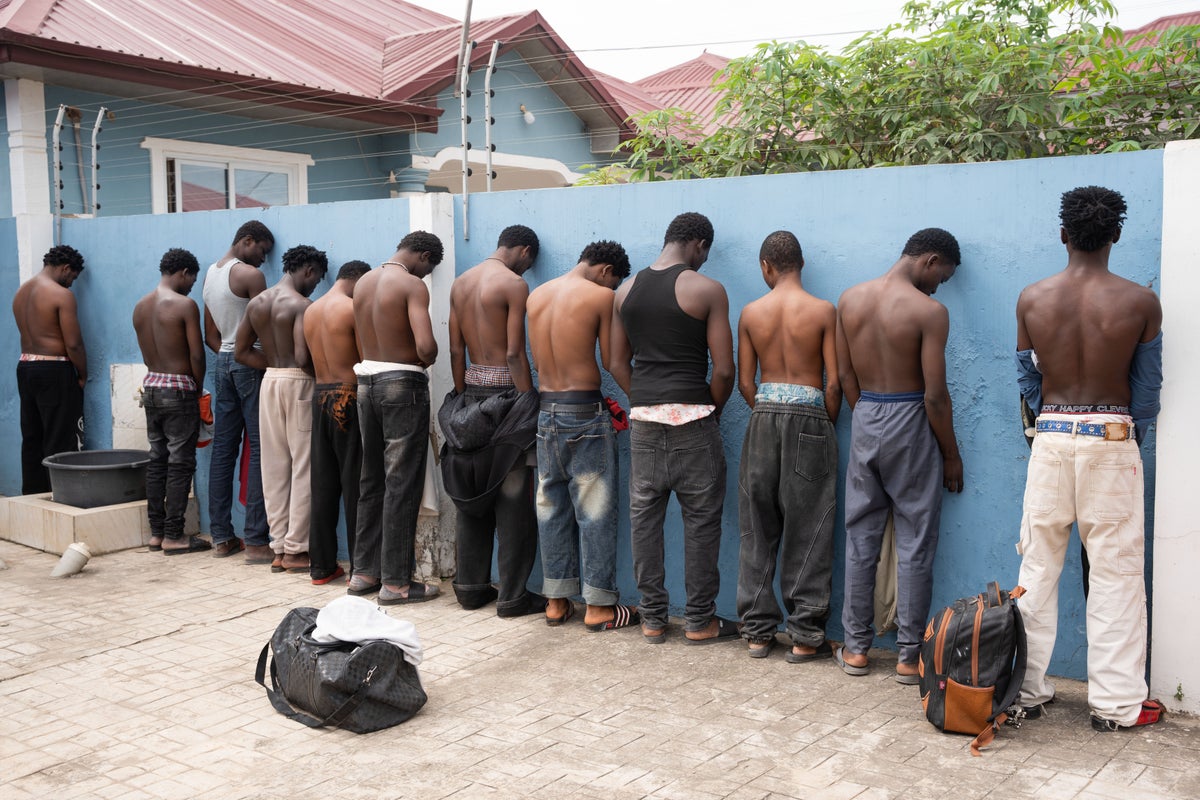
Dozens of individuals suspected of carrying out online scams, including romance fraud against people in the UK, have been detained in West Africa after a global law enforcement initiative, according to the National Crime Agency (NCA).
Around 30 suspects were detained during the action, which followed a "joint disruption week" in London hosted by the NCA that brought together over 100 officials from tech firms and police forces.
Running between 6 and 9 October, the targeted operation zeroed in on sites in nations such as Nigeria and Ghana.
Investigators say criminals operating from these locations used social media accounts to prey on individuals across the UK and US.
As part of the wider enforcement effort, Meta, the parent company of Instagram and Facebook, dismantled around 3.7 million accounts associated with fraudulent activity, including romance schemes, the NCA stated.
According to the NCA’s deputy director of fraud Nick Sharp, investment scams aimed at British citizens stem "primarily from overseas and West Africa", frequently taking the form of romance fraud.
He said: “They (perpetrators) use the romance fraud as a way of bringing the victim in and introducing them to investment opportunities, so there’s a lot of hybrid crossover.”
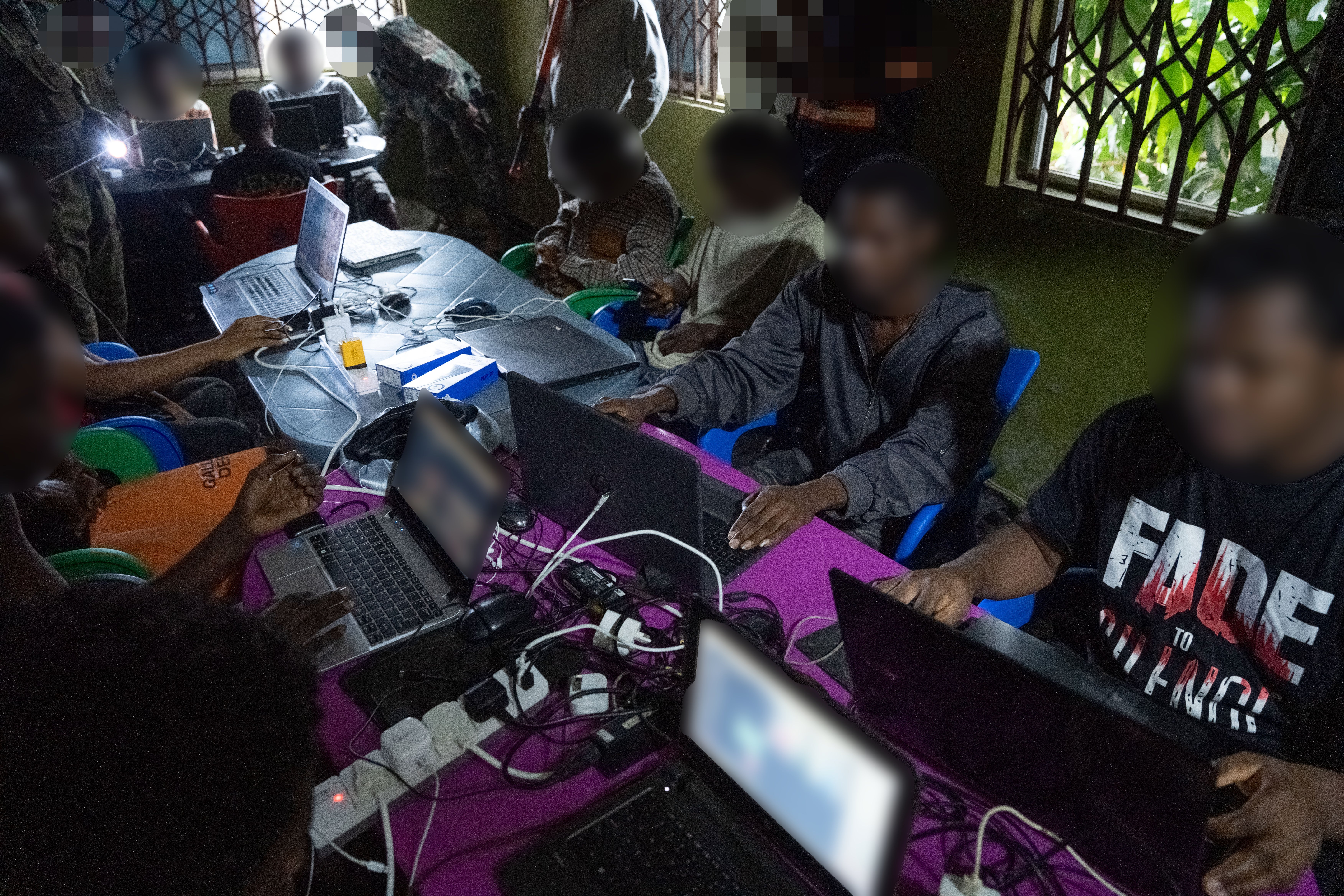
In the Accra region of Ghana, specifically in Sasaabi, officers detained 19 individuals, confiscated 303 electronic items, and uncovered 117 victims of human trafficking.
Further arrests took place in Nigeria's Delta state, where nine people were taken into custody alongside the seizure of 35 mobile phones, six laptops and 12 internet routers.
Mr Sharp added that many cases involving so-called sextortion are thought to originate in the region.
Sextortion is a form of blackmail where perpetrators threaten to share intimate photos of the victim online unless they agree to their demands.
He added that impersonation scams based on “well-known brands” or recognisable figures across social media platforms were also used to target victims in the UK.
It is not yet clear how many of the victims identified as part of the operation were British, or how much money individual victims lost, but the operation uncovered 11 million US dollars (£8.3 million) in potential freezable funds.
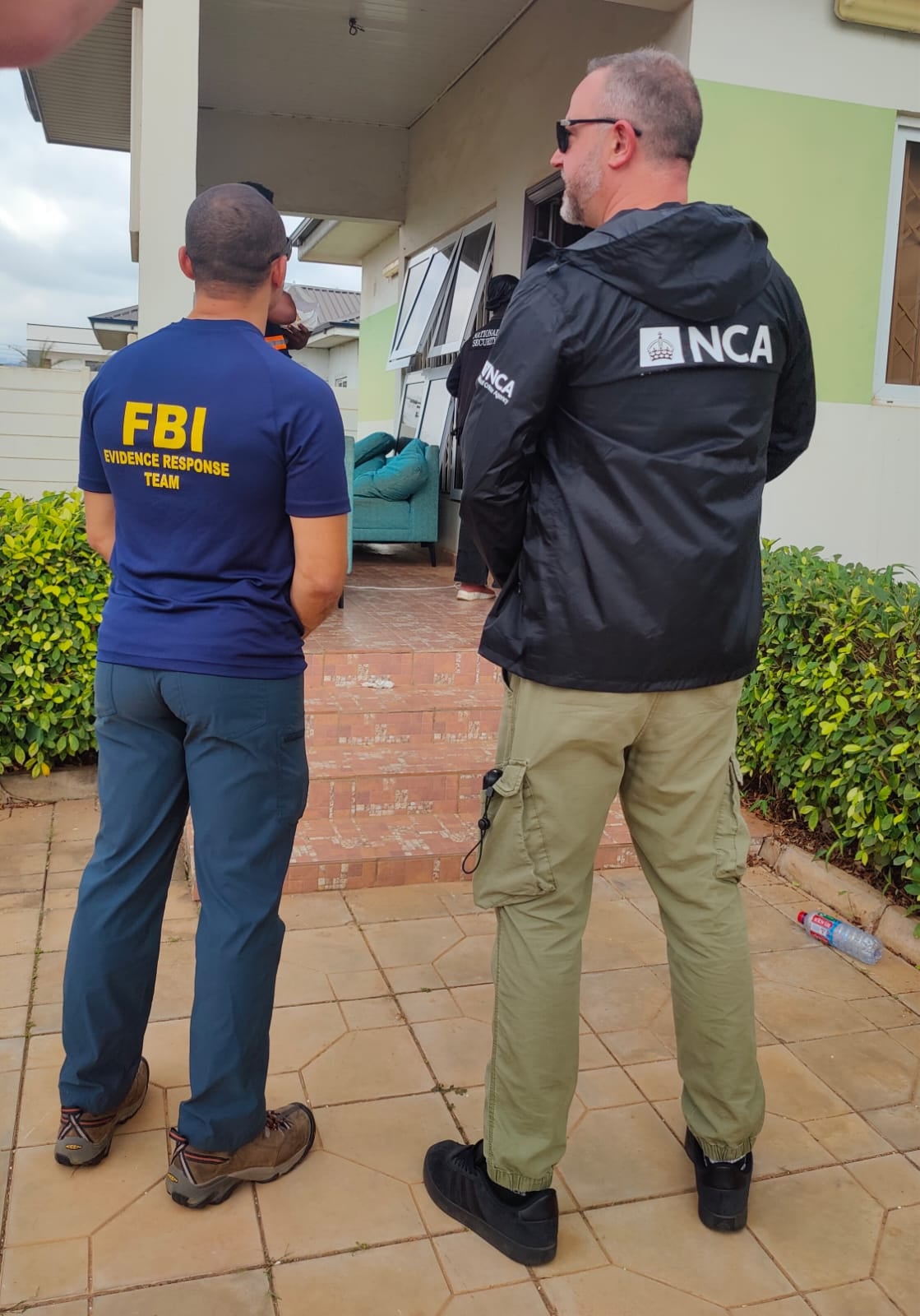
The operation was led by the Ghana Cyber Security Authority and supported by the NCA, Ghana Police Service, the FBI, and the Economic and Financial Crimes Commission in Nigeria.
KioskNews shows a cleaned-up reading view extracted from the publisher’s page — the original always lives on their site, not ours.